

Advanced Heated Blanket Technology
A Comprehensive Guide to Customization Excellence in Modern Manufacturing

Introduction: The Evolution of Heated Blanket Technology
The heated blanket technology industry has undergone remarkable transformation over the past decade, evolving from simple resistive heating elements to sophisticated smart systems that integrate advanced materials, intelligent temperature control, and personalized comfort solutions. Modern heated blanket technology represents a convergence of materials science, electrical engineering, and innovative manufacturing processes that deliver unprecedented safety, efficiency, and customization capabilities.
Today's leading manufacturers have revolutionized the approach to heated blanket production, particularly in the realm of customization services. Companies specializing in tailored solutions have recognized that different markets, climates, and consumer preferences demand unique approaches to heated blanket technology. This comprehensive analysis explores the cutting-edge technologies, manufacturing processes, and customization advantages that define excellence in the modern electric blanket industry.
Core Technologies in Modern Heated Blanket Manufacturing
The heart of any heated blanket technology lies in its heating element system. Contemporary manufacturers employ three primary heating technologies, each offering distinct advantages for different customization requirements:

Advanced Heating Element Technologies
The heart of any heated blanket technology lies in its heating element system. Contemporary manufacturers employ three primary heating technologies, each offering distinct advantages for different customization requirements:
Carbon Fiber Heating Technology
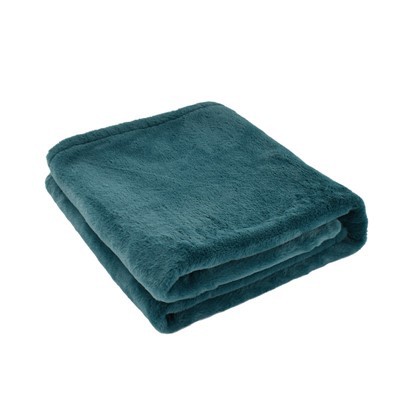
Carbon fiber represents the pinnacle of modern heated blanket technology, offering superior performance characteristics that make it ideal for premium customization projects. This non-metallic material provides rapid heating capabilities with exceptional energy efficiency, achieving up to 98% electrical-to-thermal conversion rates. The carbon fiber heating wires used in advanced heated blanket technology release far-infrared radiation similar to natural sunlight, providing therapeutic warmth that penetrates deeply into body tissues.
The molecular structure of carbon fiber enables "Brownian motion" when electrified, generating approximately 90% far-infrared heat while maintaining minimal electromagnetic field (EMF) emissions. This characteristic makes carbon fiber particularly attractive for health-conscious consumers and medical applications. Custom manufacturers leverage this heated blanket technology to create specialized products ranging from therapeutic heating pads to luxury residential blankets with precise zone heating capabilities.

PTC (Positive Temperature Coefficient) Technology
PTC heating elements represent a breakthrough in self-regulating heated blanket technology. These sophisticated systems utilize materials whose electrical resistance increases with temperature, creating an inherent safety mechanism that prevents overheating. The PTC material acts as its own sensor, eliminating the need for external feedback controls and significantly reducing the risk of hot spots or thermal runaway conditions.
Modern PTC heated blanket technology employs conductive inks printed on flexible polymer substrates, enabling manufacturers to create intricate custom heating patterns tailored to specific applications. This technology excels in applications requiring uniform heat distribution, as every point on the heating surface independently maintains its designed temperature. The self-limiting characteristic of PTC materials makes them particularly suitable for medical-grade heating blankets, veterinary applications, and products designed for extended use periods.

NTC (Negative Temperature Coefficient) Integration
Advanced heated blanket technology often incorporates NTC components in conjunction with PTC elements to create sophisticated dual-sensing systems. The NTC insulation layer, positioned between the PTC sensing wire and the primary heating element, provides additional temperature monitoring capabilities. This dual-technology approach enables precise temperature control algorithms that adapt to ambient conditions and user preferences in real-time.
Intelligent Control Systems and Smart Integration
Contemporary heated blanket technology extends far beyond simple on/off switches. Modern control systems incorporate microprocessor-based controllers that manage multiple parameters simultaneously:
product key technologies

Digital Temperature Management
Advanced controllers utilize sophisticated algorithms to maintain optimal temperature profiles throughout the heating cycle. These systems monitor resistance changes in the heating elements, ambient temperature variations, and power consumption patterns to deliver consistent comfort while maximizing energy efficiency.
Multi-Zone Control Architecture
Premium heated blanket technology now incorporates independent heating zones that can be individually controlled for personalized comfort. This technology proves particularly valuable in dual-control blankets for couples with different temperature preferences or in medical applications requiring targeted heat therapy.

Wireless Connectivity
Remote control via mobile applications and smart home integration
Programmable Timers
Custom heating schedules for optimal comfort and energy efficiency
Energy Monitoring
Real-time power consumption tracking and usage analytics
User Profiles
Custom temperature settings for different users and preferences
Adaptive Learning
Systems that learn from usage patterns to optimize performance
Mobile Integration
Control and monitoring through dedicated smartphone applications
Materials Science and Fabric Innovation
Advanced Textile Technologies
The evolution of heated blanket technology encompasses significant advances in textile engineering. Modern manufacturers utilize sophisticated fabric constructions that optimize heat retention, distribution, and user comfort:

Microfiber and Fleece Innovations
Contemporary microfiber technologies enable the creation of ultra-soft heating blankets with exceptional thermal properties. These tightly woven synthetic fibers provide superior insulation while maintaining breathability, preventing moisture accumulation that could compromise electrical safety.
Custom manufacturers can specify different microfiber densities and weave patterns to achieve specific performance characteristics tailored to regional climate conditions or intended use cases.
Dual-Layer Construction Technologies
Advanced heated blanket technology often employs dual-layer fabric systems that combine different materials for optimized performance. Common configurations include micro-plush surfaces paired with Sherpa backing, or flannel exteriors with fleece interiors.
This approach allows customization specialists to create products that deliver specific tactile experiences while maintaining optimal thermal efficiency. The layered construction also provides additional protection for internal wiring systems, enhancing durability and safety.

Innovative Wire Integration Methods
The integration of heating elements into fabric structures represents a critical aspect of heated blanket technology. Modern manufacturing techniques ensure that wiring remains imperceptible to users while maintaining consistent heat distribution:
Serpentine Pattern Optimization
Computer-aided design tools enable manufacturers to optimize wire routing patterns for maximum efficiency and comfort. Advanced serpentine configurations ensure uniform heat distribution while minimizing wire density in areas subject to frequent flexing or compression.
Ultra-Thin Wire Technologies
Contemporary heated blanket technology employs ultra-thin heating wires, often less than 2mm in diameter, that remain virtually undetectable through multiple fabric layers. These advanced conductors utilize specialized insulation materials that provide superior electrical isolation while maintaining flexibility at extreme temperatures.

Wire Integration Patterns
Traditional Grid Pattern:
Standard uniform distribution with higher wire visibility
Advanced Serpentine Pattern:
Optimized for comfort with minimal wire visibility
Optimized for comfort with minimal wire visibility
Precision Production Processes
The manufacture of high-quality heated blankets demands exceptional precision and attention to detail. Leading custom manufacturers employ sophisticated production techniques that ensure consistent quality across diverse product configurations:
Precision Production Processes
The manufacture of high-quality heated blankets demands exceptional precision and attention to detail. Leading custom manufacturers employ sophisticated production techniques that ensure consistent quality across diverse product configurations:

Automated Assembly Systems
State-of-the-art heated blanket technology production facilities utilize automated assembly systems that ensure precise wire placement and consistent fabric tensioning. Computer-controlled sewing machines follow programmed patterns with sub-millimeter accuracy, guaranteeing uniform heat distribution and eliminating potential failure points. These systems can be rapidly reconfigured for different product specifications, enabling efficient small-batch customization without compromising quality.
Advanced Bonding Technologies
Modern manufacturing processes employ sophisticated bonding techniques to secure heating elements within fabric assemblies. Iron-on hemming webs and specialized adhesives designed for high-temperature applications ensure durable connections that withstand repeated washing and thermal cycling. Custom manufacturers can specify different bonding methods based on fabric types and intended use conditions, optimizing product longevity for specific market segments.

Comprehensive Testing Protocols
Quality assurance in heated blanket technology extends beyond basic functionality testing to encompass comprehensive evaluation of safety, performance, and durability parameters:
Electrical Safety Validation
- Insulation resistance measurements
- Dielectric strength testing
- Ground continuity verification
- Infrared thermography for hot spot detection

Accelerated Life Testing
- Repeated thermal cycling simulations
- Mechanical stress and flex testing
- Environmental condition exposure
- Wash cycle durability verification
Quality Assurance Testing Process
Initial Inspection
Material quality verification and component testing
01
Electrical Safety Testing
Insulation, grounding, and current leakage verification
02
Performance Validation
Temperature distribution and heating efficiency testing
03
Durability Testing
Abrasion, flex, and environmental resistance evaluation
04
Final Certification
Compliance verification and quality sign-off
05
Customization Advantages and Market Differentiation
Tailored Solutions for Diverse Markets
The ability to customize heated blanket technology provides significant competitive advantages in today's diversified marketplace. Leading manufacturers offer comprehensive customization services that address specific market requirements:

Regional Climate Adaptations
Different geographical regions require distinct approaches to heated blanket technology. Products destined for extreme cold climates may incorporate higher wattage heating elements and enhanced insulation, while those for moderate climates might prioritize energy efficiency and lighter construction. Custom manufacturers can optimize product specifications based on local temperature ranges, humidity levels, and typical usage patterns.
Sector-Specific Configurations
Various market sectors demand specialized heated blanket technology features. Medical facilities require products meeting stringent hygiene standards with antimicrobial fabrics and sealed construction preventing fluid ingress. Hospitality applications prioritize durability and ease of maintenance, while residential luxury markets emphasize aesthetics and advanced comfort features. Customization capabilities enable manufacturers to address these diverse requirements efficiently.

Advanced Customization Technologies
Modern manufacturing facilities employ sophisticated technologies that enable cost-effective customization without sacrificing production efficiency:

Digital Design Integration
Computer-aided design systems allow customers to specify exact dimensions, heating zones, and control configurations for their heated blanket technology requirements. These digital models seamlessly integrate with automated production systems, eliminating manual programming and reducing customization lead times.
Virtual prototyping capabilities enable clients to evaluate designs before committing to production, minimizing development costs and accelerating time-to-market.
Flexible Manufacturing Systems
Contemporary production facilities utilize modular manufacturing cells that can be rapidly reconfigured for different product types. This flexibility enables efficient production of custom heated blanket technology products in quantities ranging from single prototypes to large production runs.
Quick-change tooling and programmable automation reduce setup times, making small-batch customization economically viable.
Brand Differentiation Opportunities

Proprietary Feature Integration
Custom manufacturers can incorporate unique features that differentiate products from commodity offerings. These might include proprietary heating patterns, specialized control interfaces, or integrated smart home connectivity. The ability to protect these innovations through exclusive manufacturing agreements provides sustainable competitive advantages.
Aesthetic Customization
Beyond functional specifications, modern heated blanket technology allows extensive aesthetic customization. Custom fabric patterns, embroidered logos, and coordinated packaging create cohesive brand experiences. Digital printing technologies enable cost-effective production of custom designs even in modest quantities, supporting limited edition releases and seasonal collections.

Customization Capabilities
Size & Dimensions
Custom sizing for any application
Fabric Selection
Materials tailored to requirements
Heating Zones
Custom heat distribution patterns
Control Systems
Tailored user interface options
Power Options
Voltage and wattage customization
Water Resistance
Custom protection levels
Branding Options
Logos and custom designs
Smart Features
Custom connectivity options
Safety Standards and Certification Compliance
International Safety Standards
Compliance with safety standards represents a fundamental requirement in heated blanket technology manufacturing. Leading custom manufacturers maintain certifications from multiple international testing organizations:

UL and ETL Certification Processes
Products destined for North American markets must comply with UL 964 standards for electrically heated bedding. This comprehensive standard addresses electrical safety, fire resistance, and mechanical durability requirements.
The certification process involves extensive testing including temperature measurement, overheating protection validation, and mechanical stress evaluation. Custom manufacturers must ensure that product modifications maintain compliance while meeting client specifications.
CE Marking for European Markets
European market access requires compliance with CE marking requirements, including the Low Voltage Directive and Electromagnetic Compatibility standards. The EN 60335 standard specifically addresses safety requirements for household electrical appliances including heated blanket technology.
Custom manufacturers must navigate these complex regulatory requirements while maintaining production flexibility for different market configurations.
Advanced Safety Features
Modern heated blanket technology incorporates multiple safety features that exceed basic regulatory requirements:

Automatic Shut-off Systems
Contemporary control systems include programmable automatic shut-off functions that prevent extended operation. These systems can be customized for different use scenarios, from 30-minute timers for pre-warming applications to 10-hour settings for overnight use. Advanced algorithms monitor temperature trends and power consumption patterns, triggering protective shutdowns if anomalies are detected.
Overheat Protection Mechanisms
Multiple overheat protection systems work in parallel to ensure safe operation under all conditions. Primary protection comes from self-limiting heating elements, while secondary systems include thermal fuses and electronic temperature limiting circuits. Custom manufacturers can specify protection thresholds based on intended applications and regional safety requirements.
Safety Feature Comparison
| Safety Feature | Basic Models | Mid-Range Models | Premium Models |
|---|---|---|---|
| Automatic Shut-off | Fixed 10-hour | Adjustable (2-10hr) | Smart adaptive |
| Overheat Protection | Basic thermal fuse | Dual protection | Triple redundant |
| EMF Shielding | Not included | Basic shielding | Advanced shielding |
| Water Resistance | Not protected | Splash resistant | Water resistant |
| Fault Detection | Limited | Basic monitoring | Comprehensive |
Environmental Sustainability and Energy Efficiency
Eco-Friendly Manufacturing Practices
Leading manufacturers of heated blanket technology increasingly prioritize environmental sustainability throughout the production process:
Sustainable Material Selection
Modern heated blankets utilize recycled and recyclable materials wherever possible without compromising performance or safety. Recycled polyester fibers, biodegradable packaging materials, and lead-free solder connections reduce environmental impact. Custom manufacturers can specify eco-friendly materials to meet corporate sustainability goals or market preferences.
Energy-Efficient Production Methods
Advanced manufacturing facilities employ energy-efficient equipment and processes that minimize resource consumption. Heat recovery systems, LED lighting, and optimized HVAC controls reduce facility energy requirements. Lean manufacturing principles minimize waste generation while improving production efficiency.

Product Energy Efficiency
Contemporary heated blanket technology delivers superior comfort while minimizing energy consumption:

Low-Voltage Operation Options
Modern designs include low-voltage options operating at 12-24 volts, significantly reducing energy consumption compared to traditional 120-volt systems. These low-voltage heated blanket technology solutions prove particularly attractive for mobile applications, off-grid installations, and energy-conscious consumers. Custom manufacturers can optimize voltage specifications based on available power sources and efficiency requirements.
Intelligent Power Management
Advanced control algorithms continuously optimize power consumption based on actual heating requirements. These systems reduce power draw once target temperatures are reached, cycling heating elements to maintain comfort while minimizing energy use. Custom programming enables different energy-saving profiles tailored to specific use patterns or utility rate structures.

Conclusion: Excellence Through Customization
The integration of smart technologies, sustainable materials, and therapeutic features into heated blanket technology opens exciting possibilities for product innovation. Custom manufacturers who embrace these opportunities while maintaining focus on safety, quality, and customer satisfaction will shape the future of the industry. Through continued investment in advanced manufacturing capabilities, comprehensive testing protocols, and responsive customer service, leading manufacturers ensure that customized heated blanket technology solutions meet and exceed market expectations.
The success of customization-focused manufacturers demonstrates that excellence in heated blanket technology extends beyond basic functionality to encompass comprehensive understanding of customer needs, market dynamics, and technological possibilities. By combining advanced engineering, innovative materials, and flexible manufacturing systems, these companies deliver products that provide superior comfort, safety, and value across diverse applications and markets.