

Camping with Electric Blanket: Essential Tips for Outdoor Use
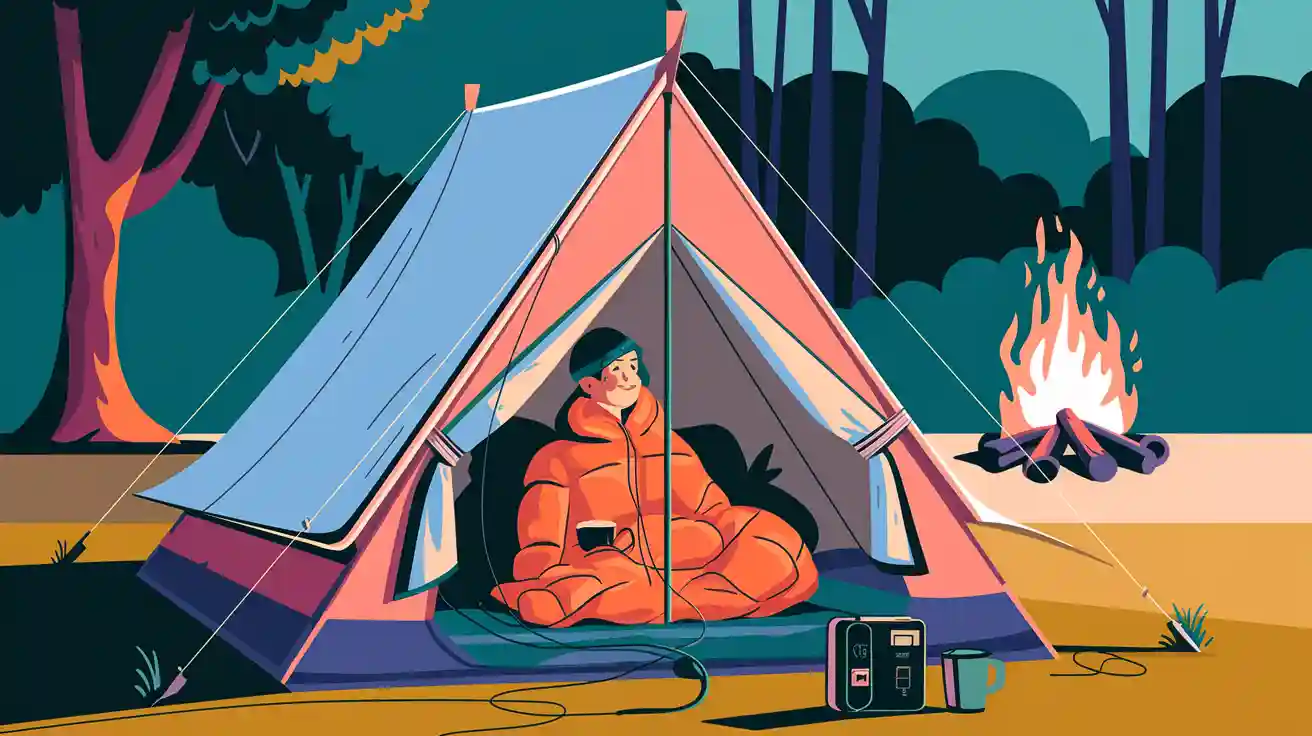
You can have fun Camping with Electric Blanket if you stay safe. Pick a blanket that turns off by itself. Check the cords for any damage before each trip. Always use a good power source and keep the blanket dry. The table below shows the main safety concerns you should know before you go outside:
|
Safety Concern |
Description |
|---|---|
|
Overheating |
Electric blankets can get too hot. This happens more with old ones that do not turn off by themselves. This can cause a fire. |
|
Faulty Wiring |
Old or bad wiring can cause electrical problems. This makes fire more likely if you do not fix it. |
|
Damaged Cord |
A cord that is torn or broken can be very dangerous. If you see this, do not use the blanket. |
|
Health Concerns |
Some people, like pregnant people, should not use electric blankets. This helps them avoid getting too hot and having health problems. |
Key Takeaways
- Pick an electric blanket that shuts off by itself. This helps stop overheating and lowers fire danger.
- Choose a 12V electric blanket for camping. It uses less power and works with portable batteries. You stay warm and save energy.
- Keep your electric blanket dry at all times. Put it in a waterproof bag to keep out water. Moisture can cause electrical problems.
- Warm up your sleeping spot with the blanket for 15-20 minutes before bed. This makes you more comfortable and helps you sleep better when it is cold.
- Think about using heated sleeping bags or insulated pads too. These can give you more warmth and safety when camping.
Choosing Your Blanket

Portability
When you get ready for a camping trip, you want a blanket that is easy to carry. A portable blanket is important if you hike far or camp near your car. Many brands make electric blankets that are simple to pack.
- The Rumpl Original Puffy Heated Blanket is light and packs small. It is great for backpacking or car camping.
- The POP Design Blanket is under 2 pounds. You can fold it and put it in a carry-on or backpack.
- The Arcturus Blanket rolls up for travel. It is bigger than some others but is good for camping and emergencies.
Tip: Pick a blanket that fits in your bag and works for your trip. Lighter blankets help you save space and energy when hiking.
Power Needs
Think about how much power your blanket will use. Most campers like 12V heated blankets because they use less energy than AC ones. These blankets work with portable batteries and car adapters, so they are good for camping away from power.
- 12V blankets use less power than 110V ones. They use about 180 watts at most, while AC blankets can use up to 1000 watts.
- On low, 12V electric blankets use only 50W–70W. This makes them safer and saves more energy than space heaters.
- You get steady warmth without needing grid power if you use a 12V blanket with a good battery.
Note: Using a 12V blanket during Camping with Electric Blanket trips helps you save battery and stay warm all night.
Weather Resistance
Weather can change fast outside. You need a blanket that can handle rain, wet air, and cold. Makers use special materials to keep you safe and warm.
|
Feature |
Description |
|---|---|
|
Weather-resistant outer shell |
Keeps the blanket warm in different weather. |
|
Water-resistant exterior |
Stops water from getting in, so it works in wet places. |
|
Thermal mylar lining |
Gives great insulation and sends heat back to you. |
|
Micro-plush velour interior |
Feels soft and keeps you warm. |
Blankets with weather-resistant shells and water-resistant outsides work well in wet or damp places. Thermal mylar lining keeps heat in, and micro-plush velour inside feels soft. You stay warm and dry even if the weather gets bad.
Callout: Always look at the material details before you buy. Strong, weather-resistant fabric makes your blanket last longer and makes camping better.
Camping with Electric Blanket: Power Options
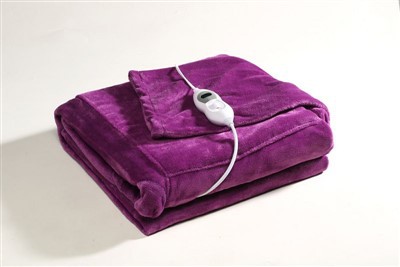
You need to know how to power your electric blanket before you go camping. There are a few ways to do this. Each way works best for different trips. If you know your choices, you can stay warm and safe outside.
Portable Power Stations
Portable power stations are a good way to use your electric blanket. These stations store power. You can plug in things like heated blankets, lights, or phones. They work well for car camping or base camps where weight is not a problem.
- Most portable power stations can keep you warm all night. A 500Wh station can run a 50W blanket for about 10 hours.
- You can charge these stations with solar panels or your car.
- Many stations show how much power you use. This helps you plan your trip.
Tip: Always look at the watt-hour number on your power station. Make sure it matches your blanket's needs and your trip length.
Battery Packs
Battery packs are light and easy to carry for Camping with Electric Blanket trips. You can use deep cycle batteries or lithium packs if you need more time. Do not use starter batteries. They lose power fast and do not last long.
- A 50W electric blanket for 8 hours uses about 400Wh. This is close to what a 100Ah deep cycle battery can give.
- Deep cycle batteries are better for long use than starter batteries.
- Lithium battery packs are lighter and last longer. They are great for backpacking.
|
Power Source |
Typical Capacity |
Blanket Runtime (50W) |
Portability |
Best Use Case |
|---|---|---|---|---|
|
Portable Power Station |
500Wh |
10 hours |
Medium |
Car camping, base camp |
|
Deep Cycle Battery |
600Wh |
12 hours |
Low |
RV, long stays |
|
Lithium Battery Pack |
300Wh |
6 hours |
High |
Backpacking |
Callout: Figure out how much power you need before your trip. Count the hours you want to use your blanket. Make sure your battery pack can last that long.
Car Adapters
Car adapters let you use your car's battery for your electric blanket. This is good for short times or emergencies. You plug the blanket into the car's 12V outlet.
- Always keep the engine running when you use the blanket. This stops the battery from dying.
- Watch the blanket so it does not get too hot. Never leave it on if you are not there.
- Know how much power your car battery has. Using the blanket too long can drain it and leave you stuck.
Note: Car adapters are good for quick warming or naps. For sleeping all night, use a battery or power station.
Solar Solutions
Solar panels are a green way to charge your power sources during Camping with Electric Blanket trips. Set up the panels in the sun during the day. Use the saved power at night.
Solar panels work best when it is sunny. If it is cloudy, they make about half as much power. You might not have enough power for many days if the weather is bad. Always bring a backup battery or power station.
Tip: Use solar panels to charge your battery packs during the day. Bring extra power if you think it will be cloudy or rainy.
Power Management Tips
- Turn off your electric blanket when you do not need it. This saves power and keeps you safe.
- Warm up your sleeping spot for 15 minutes before bed. Then turn the blanket to low or off.
- Watch your power use with the display on your power station or battery pack.
|
Usage Scenario |
Recommended Power Source |
Estimated Runtime |
Safety Tip |
|---|---|---|---|
|
Car Camping |
Power Station, Car Adapter |
8-10 hours |
Run engine, monitor use |
|
Backpacking |
Lithium Battery Pack |
6 hours |
Turn off when not needed |
|
Multi-day Base Camp |
Power Station, Solar |
Varies |
Bring backup batteries |
Callout: Good power management lets you enjoy Camping with Electric Blanket. You will not run out of power or risk your safety.
Safety Tips

Moisture Protection
Moisture can be very dangerous when you use an electric blanket outside. Wet weather can hurt the wires and make electrical problems more likely. You must keep your blanket dry to stay safe and make it last longer.
- Lay your blanket flat to air dry after it gets wet. This helps protect the wires inside.
- Hang your blanket on a clothesline and spread it out. This stops it from bunching up and helps it dry quicker.
- Put your blanket near a fan or dehumidifier if you camp where it is humid. This helps it dry faster and keeps mold away.
- Roll your blanket with towels that soak up water before you air dry it. This is good after rain or spills.
Tip: Always put your electric blanket in a waterproof bag when you go Camping with Electric Blanket. This keeps it safe from rain and wet mornings.
Proper Setup
Setting up your electric blanket the right way stops it from getting too hot or having electrical trouble. You should always follow the maker's rules when you use it.
- Use your blanket to warm up your bed for 15 minutes before you sleep. Turn it off or set it low when you get in.
- Check your blanket for damage or worn spots before every trip.
- Keep your blanket flat and do not fold it while it is on. Never put heavy things on top.
- Roll up your blanket to store it, not fold it. This keeps the wires safe.
- Be gentle with the cords. Do not put them under rugs or squeeze them in tight places.
- Pick blankets that are made for outdoor use and have been tested.
Alert: Setting up your blanket the right way lowers fire risk and keeps Camping with Electric Blanket safe and comfy.
Usage Monitoring
- Watching your blanket while you use it helps you stop it from getting too hot and keeps you warm.
- Warming up your bed with an electric blanket makes you more comfortable, especially when it is cold.
- Heating your bed before sleep keeps it at a good temperature and helps you sleep better.
- Letting the blanket cool after warming up moves heat away from your body and helps you rest.
|
Safety Practice |
Why It Matters |
|---|---|
|
Preheat sleeping area |
Makes you more comfortable and helps you sleep |
|
Monitor for overheating |
Stops fires and keeps you healthy |
|
Inspect before use |
Finds damage early and keeps you safe |
Note: Watching your blanket and using it smartly keeps Camping with Electric Blanket safe and fun.
Maximizing Warmth

Layering
You can get warmer by adding layers under and over your electric blanket. Experts say tarps or ponchos work well under your sleeping spot. This keeps heat in and stops cold air from coming up. Put a foam pad or insulated mat under your sleeping bag. Add a tarp on top for more warmth.
|
Insulation Method |
Average Temp Gain |
Weight |
Best Use Case |
|---|---|---|---|
|
Foam Pad |
+8°F |
Light |
Backpacking |
|
Tarp/Poncho |
+5°F |
Ultra-light |
Emergency, layering |
|
Wool Blanket |
+10°F |
Medium |
Car camping |
Tip: Rechargeable hand warmers inside your sleeping bag add extra heat. These can make it up to 10°F warmer, says Outdoor Gear Lab.
Preheating
Preheating your sleeping area helps a lot when Camping with Electric Blanket. Turn on your electric blanket 15–20 minutes before bed. This warms your sleeping bag and dries wet clothes. Studies show preheating helps you sleep better and feel more comfortable in cold places.
- Preheat your sleeping bag and clothes to stop chills.
- Use the blanket to dry wet gear before sleeping.
- Turn the blanket low or off when you get in to save energy and stay safe.
Callout: Preheating is great for base camps where gear gets wet often.
Blanket Placement
Putting your electric blanket in the right spot keeps you warmer. Place the blanket on top of your sleeping pad. Then put your sleeping bag over it. This keeps heat close to you and stops it from escaping to the ground. Do not fold the blanket, or it may heat unevenly.
- Lay the blanket flat so warmth spreads out.
- Keep the blanket away from sharp things to avoid damage.
- Use a waterproof cover if it is wet outside.
- A well-placed electric blanket can dry wet sleeping bags and clothes overnight. This makes the next day much nicer.
Note: Using layers, preheating, and smart blanket placement keeps you warm and safe during Camping with Electric Blanket trips.
Alternatives
When you want to stay warm outside, you have other choices besides electric blankets. Each choice has good and bad points. You should look at these options to see what works best for your camping trip and where you will be.
Heated Sleeping Bags
Heated sleeping bags use special technology to keep you warm. Some use light therapy or small heating parts. These bags use less energy than electric blankets. They can also give heat that goes deeper into the bag.
|
Feature |
Electric Blanket |
Heated Sleeping Bag |
|---|---|---|
|
Heating Method |
Resistive heating |
Light therapy |
|
Depth of Heat Penetration |
Surface (40-60°C) |
5-8 cm deep |
|
Energy Consumption |
100-150W/hr |
15W/hr (80% less) |
|
Biological Impact |
Minimal |
Boosts ATP production |
Heated sleeping bags are great for backpackers who need to save battery. You get steady heat and use less power. But, these bags can cost more money and are not always easy to find.
Hot Water Bottles
Hot water bottles are an old and easy way to stay warm. You fill them with hot water and put them in your sleeping bag.
|
Feature |
Hot Water Bottles |
Electric Blankets |
|---|---|---|
|
Pros |
Quick to heat, adjustable settings |
Portable, energy-efficient, quick warmth |
|
Cons |
Requires refilling, cools down quickly |
Needs power source, can be bulky |
Hot water bottles are good for short trips or if you have hot water. You do not need power, but you must refill them a lot. They lose heat faster than electric blankets.
Insulated Pads
Insulated pads stop your body heat from going into the ground. You pick a pad by its R-value, which tells you how well it keeps heat in.
|
R-Value Range |
Suitability |
|---|---|
|
Less than 2.0 |
Warm weather |
|
2.0 to 3.9 |
Cool weather |
|
4.0 to 5.4 |
Cold weather |
|
5.5 and greater |
Extreme-cold weather |
Insulated pads do not make heat, but they block cold from below. You can use them with other ways to stay warm during Camping with Electric Blanket trips.
Tip: Electric blankets like the Zonli Walk Pro Max cost more than most other options. They have waterproofing and many heat settings. Heated sleeping bags and insulated pads may be cheaper, but they might not be as easy or warm.
- You can have a safe camping trip with an electric blanket if you follow these important steps:
- Read the instructions from the company before you use your blanket.
- Get rid of blankets that are old or broken. Store your blanket in a safe place.
- Make sure your blanket has the right power source. This helps stop it from getting too hot.
- Use layers, preheat your sleeping spot, and add insulated pads to stay warmer.
- You can also use heated sleeping bags or thermal wraps for other camping needs.
- Picking the best gear and ways to stay warm helps you sleep well outside, even when it is very cold.
FAQ
Why should you choose a 12V electric blanket for camping?
A 12V electric blanket uses less power than others. You can use it longer with portable batteries. This helps you stay warm without using up all your power. Most campers think 12V blankets are safer and work better outside.
Tip: 12V blankets are easy to use with car adapters and portable power stations.
Why is moisture protection important for electric blankets outdoors?
Water can hurt the wires and make the blanket unsafe. Keeping your electric blanket dry helps it last longer. Wet blankets might stop working or short-circuit. Always put your blanket in a waterproof bag when Camping with Electric Blanket.
Why do you need to monitor your electric blanket while camping?
You should watch your blanket so it does not get too hot. Electric blankets can overheat if left on too long. Checking your blanket helps you avoid fire and keeps you safe. Turn off the blanket when you are not using it.
Why are insulated pads recommended with electric blankets?
Insulated pads stop cold from coming up from the ground. You will feel warmer when you use them with your electric blanket. Pads help keep heat close to you. This saves battery and makes Camping with Electric Blanket more cozy.
|
Product |
Benefit |
|---|---|
|
Insulated Pad |
Stops ground cold |
|
Electric Blanket |
Gives you heat |
Why should you consider alternatives to electric blankets for camping?
You might need other ways to stay warm if it is wet or you have no power. Heated sleeping bags and hot water bottles do not need electricity. These choices help you stay warm when you cannot use power.
Note: Always pick the best way to stay warm for your camping trip.