
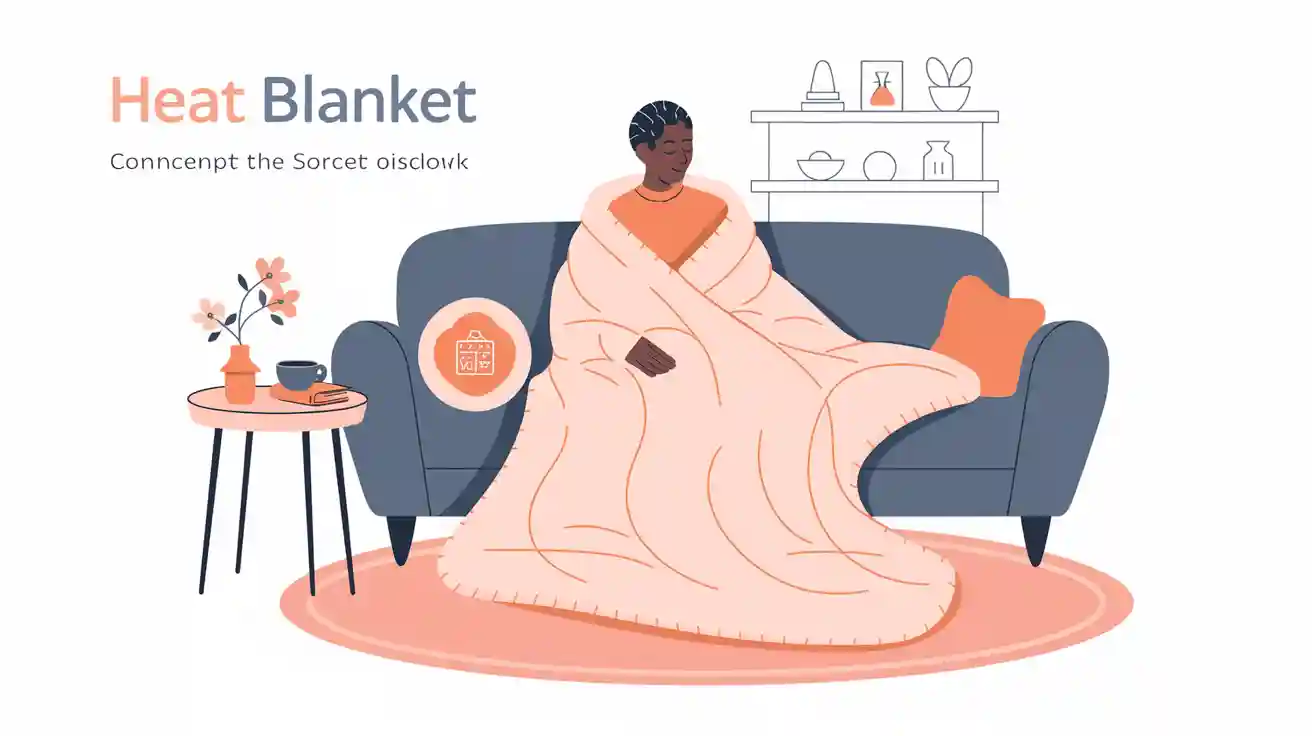
You want a heat blanket that is safe and comfy at home. The right heat blanket material keeps you safe and feels good for a long time. Data shows polyester and fleece are very popular. They are strong, soft, and easy to wash. Look at the table below:
|
Material |
Market Share (%) |
|---|---|
|
Fleece |
55 |
|
Microfiber |
45 |
|
Polyester |
54.8 |
When picking a blanket, think about how soft the heat blanket material is. Also, check if it lasts long and is easy to clean. Fleece and microfiber keep you warm and let air pass through. Cotton is good if your skin is sensitive. Always follow safety rules and check your blanket often. Use the maker's rules to take care of it. Safety rules help stop problems and keep you comfy. You get the best heat blanket by choosing comfort and following safety rules.
Key Takeaways
- Pick heat blankets with soft materials like fleece or cotton. These are comfortable and safe.
- Check for safety features like automatic shut-off and overheat protection. These help stop accidents.
- Look at your electric blanket often to see if it is damaged. This helps you avoid fire risks and keeps you safe.
- Read and follow the care instructions from the maker. This keeps your blanket working well and safe.
- Get a new electric blanket every ten years. This makes sure your blanket is safe and up to date.
Heat Blanket Material Safety

Common Materials
You want a heated blanket that is safe and comfy. The most used heated blanket materials are microplush, fleece, cotton, and mink. Each one has its own good points for different people.
|
Material |
Durability |
Ease of Care |
|---|---|---|
|
Fleece |
Gets little balls on it after a while |
Simple to wash and dries fast |
|
Microfiber |
Very strong, does not stain or wrinkle easily |
Looks good even after many washes |
|
Cotton |
Tough, lasts through lots of washes |
Feels soft on skin, easy to clean |
|
Mink |
Very soft, not as strong as microfiber |
Needs gentle washing, dries slowly |
Fleece heated blankets are soft and keep you warm. You can wash them easily, and they dry quickly. Microfiber heated blankets do not stain or wrinkle much, so they look nice with regular cleaning. Cotton heated blankets are good for people with sensitive skin. They are easy to clean and last a long time. Mink heated blankets feel fancy and soft, but you must wash them gently to keep them nice.
Tip: Pick a heated blanket material that fits your needs. If you want easy care, choose microfiber or fleece. If your skin is sensitive, cotton is a good pick.
Safety Features
Staying safe is most important when using heated blankets. New heated blankets have special safety features to keep you safe from fire and electric problems.
|
Safety Feature |
Description |
|---|---|
|
Automatic Shut-Off |
Turns off by itself after some time. |
|
Overheat Protection |
Sensors stop the blanket if it gets too hot. |
|
Temperature Control |
Lets you pick how warm you want it. |
|
Insulated Wiring |
Keeps wires safe to lower fire risks. |
|
ETL/UL Certification |
Shows the blanket meets safety rules. |
Automatic shut-off, or auto-off, is very important. This feature turns off the blanket after a set time or if it gets too hot. This helps stop fires and electric accidents. Overheat protection uses sensors to check the heat and turns off the blanket if it gets too hot. Temperature control lets you pick the warmth you like for safety and comfort. Insulated wiring keeps the electric parts safe and lowers fire risks. ETL and UL certifications mean the blanket follows strict safety rules.
Auto-off mechanisms:
- Turn off the heated blanket by themselves after some time or if it gets too hot.
- Help stop fires and electric shocks, so you feel safe.
- Let you use heated blankets safely, even if you forget to turn them off.
- Keep kids and older people safe if they forget to turn off the blanket.
Note: Always check your heated blanket for dark, burnt, or broken spots on the cord. Get a new heated blanket if yours is worn out to stay safe.
Comfort Factors
You want a heated blanket that feels nice and safe. Comfort depends on how warm, airy, and soft the blanket is. Wool heated blankets keep heat in and let sweat out, so you stay warm but not sweaty. Blankets with tight weaves hold heat well, so they are good for cold nights. Blankets with loose weaves let air move through, so you do not get too hot.
- Wool heated blankets keep you warm and let air pass.
- Tight weave heated blankets keep heat in, great for winter.
- Loose weave heated blankets let air move, good for warmer weather.
How the blanket feels is important for comfort. Fleece and microplush heated blankets are soft on your skin. Cotton heated blankets are good for people with allergies or sensitive skin. Mink heated blankets feel fancy, but you must wash them gently.
Safety tip: Never put heavy things on your heated blanket when it is on. Do not fold the heated blanket while it is working. These things can break the wires and cause fires.
You should always follow the safety rules from the maker. Always unplug your heated blanket when you are not using it. Only use one electric thing at a time to stay safe. Turn off the heated blanket before you sleep or use a timer. Never use a wet heated blanket to stop electric problems.
Common causes of heated blanket injuries:
- Fires and burns.
- Bad burns from using it too long.
- Getting too hot from using it for a long time.
- Prevention strategies:
- Get rid of old or broken heated blankets.
- Do not use heated blankets with broken or burnt cords.
- Do not put things on top of the heated blanket when it is on.
- Never fold the heated blanket while it is on.
- Do not use heated blankets while sleeping.
New heated blanket safety ideas include hydrophobic insulation blankets. These blankets help stop rust under the insulation and do not need special masks when you touch them. The inside does not have harmful dust, so it is safer for your health. Hydrophobic features help keep water off steel, which stops rust and fire problems.
Pick a heated blanket with good safety features and the right material for you. This keeps you and your family safe from fire and electric dangers while staying comfortable.
Electric Blanket Safety
Usage Tips
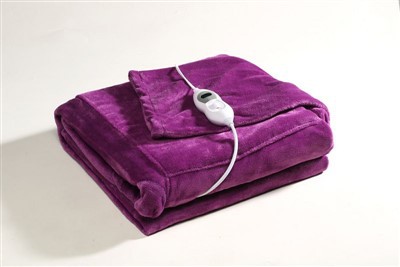
You need to use your electric blanket the right way. This keeps you safe and helps your blanket last longer. Safety groups give some easy steps for using electric blankets:
- Try all the heat settings before you use it. Make sure the blanket gets warm everywhere and the controls work.
- Check if the auto-off timer works. The blanket should turn off by itself so it does not get too hot.
- Feel the blanket for hard spots. Hard spots can mean the wires inside are broken, which is not safe.
- Smell the blanket before you use it. If it smells like something is burning, unplug it right away. This could mean there is a fire risk.
- Always clean your blanket the way the maker says. Cleaning it right stops damage and keeps you safe.
- Put your blanket away in a cool, dry place. Do not put it in the sun or squish it, so the wires stay safe.
- Never pull or stretch the wires. Stop using the blanket if it gets too hot or you see any problems.
- Most electric blankets can go in the washing machine, but you must take off all the electric parts first.
Safety tip: Never use your electric blanket if it is wet. Always unplug it before you clean or check it.
Kids, older people, and people with sensitive skin need extra care. Always look for damage before you use the blanket. If you see wires or burn marks, stop using it. Get a new electric blanket every ten years to stay safe.
Overheating Risks
Getting too hot is a big danger with electric blankets. The Electrical Safety Foundation International says heating things like electric blankets cause 15% of house fires in the U.S. Fires from electric blankets do not happen often if you use them the right way. But old, broken, or wrongly used blankets can start fires.
You can lower the chance of overheating by doing these things:
- Do not plug your blanket into a plug that is turned on by a light switch. This stops it from turning on by accident.
- Turn off the blanket before you sleep if it does not turn off by itself.
- Never sit or lie on top of your electric blanket. This can break the wires and make it unsafe.
- Do not tuck the blanket under your mattress. This keeps in too much heat and can make it too hot.
- Do not use a hot water bottle with your electric blanket. This can make it too hot and cause a fire.
- Never plug in or turn on a wet blanket. Water and electricity together are very dangerous.
- Store your blanket by rolling it up or hanging it. If you fold it, do not make many creases.
- Do not turn on a blanket that is folded or bunched up.
Always check your blanket before you use it. Look for broken cords, burn marks, or worn spots. Get a new blanket if you see any problems. Never leave your electric blanket on when you are not there or while you sleep. Do not put anything on top of the blanket when it is on. These steps help stop fires and keep you safe.
Note: Blankets made with flame-resistant materials are safer. Pick these blankets to help stop fires.
Inspection and Care
Checking and taking care of your electric blanket is very important. Looking at your blanket often helps you find problems before they get bad. Pay close attention to the controller and the power cord, because these parts break first.
Check your blanket before and after you use it. Look for broken cords or burn marks. If you see any problems, get a new blanket right away to stop fires.
Here are some ways to take care of your electric blanket:
|
Maintenance Routine |
Frequency |
|---|---|
|
Washing |
Every 3 Months |
|
Washing |
Every 6 Months |
|
Washing |
Once A Year |
|
Storage Tip |
Store in a breathable cotton bag |
|
Storage Tip |
Keep in a cool, dry place |
|
Storage Tip |
Avoid folding tightly |
|
Safety Tip |
Unplug before cleaning |
|
Safety Tip |
Inspect for damage before use |
Wash and dry your blanket the right way to keep it nice. Cleaning it right stops mold and keeps it safe. Store your blanket dry in a cotton bag so air can move around it. Do not put heavy things on it when you put it away. Always unplug your blanket before you clean or check it.
Safety tip: Checking and cleaning your blanket often keeps you safe and helps your blanket last longer.
Blankets with auto-off timers and temperature controls are safer than old ones. New blankets have better safety features to stop fires and getting too hot. Kids and older people are safer with these features. Always pick blankets with safety labels and use them the right way to keep you and your family safe.
Comparing Electric Blankets and Alternatives
Material Performance
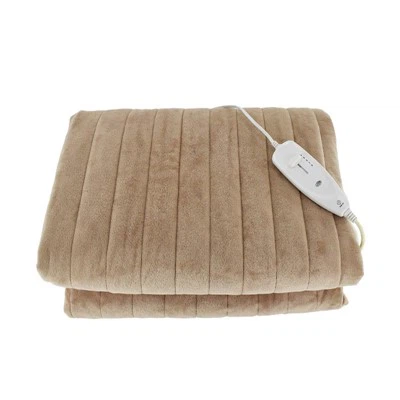
You might wonder how electric blankets compare to other blankets. Electric blankets have special safety features like temperature control and auto-off timers. These features help keep you safe. But if an electric blanket is old or broken, it can still start a fire if not used right. Non-electric blankets do not have wires or electric parts. This means you do not have to worry about electric problems. Still, you should keep them away from things that get hot, so they do not catch fire.
Here is a simple comparison:
|
Feature |
Electric Blankets |
Non-Electric Blankets |
|---|---|---|
|
Safety Features |
Auto-off, temp control |
No electric risk |
|
Fire Hazard |
Possible if damaged |
Possible near heat source |
|
Warmth Control |
Adjustable |
Depends on material |
|
Maintenance |
Needs inspection |
Simple care |
|
Comfort |
Consistent warmth |
Varies by material |
Electric blankets give you steady warmth and let you pick the heat level. Many people like the Serta Super Soft Heated blanket. It is soft and cozy because of its microfleece and sherpa fleece. The heating cords are hidden, so you do not feel them. You can use this blanket with or without turning on the heat.
- Serta Super Soft Heated blanket:
- Made with soft microfleece and sherpa fleece
- Heating cords are hidden inside
- Feels good with or without heat
Alternative Options
If you worry about safety, there are other ways to stay warm. These choices do not use electricity or lower the chance of getting too hot.
- Thick, insulated regular blankets or comforters
- Use more than one blanket for extra warmth
- Heated mattress pads for heat under you
- Fleece and flannel sheets
- Wool or fleece thermal blankets
- Down comforters
- Space heaters with auto shut-off
- Warm pajamas or socks
Heated mattress pads warm you from below. Thermal blankets and pajamas help your body keep its heat. Space heaters with safety features can also help, but you must be careful when using them.
Tip: Wearing warm pajamas and using layers of blankets can keep you warm without any electric risk.
User Groups
You should choose the best blanket for your needs. Kids, older people, and people with sensitive skin need different things.
For children:
- Blankets made from cotton, wool, or fleece are soft and safe.
- Weighted blankets help older kids feel calm and warm without heat.
- Warm pajamas keep kids cozy at night.
For elderly users:
- Doctors say people with nerve or blood flow problems should not use electric blankets.
- Pick new blankets from trusted brands with safety labels.
- Polyester and microfiber blankets are soft, last long, and are easy to wash.
- Remote controls and auto-off features make blankets safer.
For sensitive users:
- Cotton and fleece blankets are gentle on the skin.
- Thermal blankets and pajamas keep you warm without using electricity.
You can pick a blanket that fits your comfort and safety needs. Electric blankets let you control the heat, but you must check them often and use them safely. Non-electric blankets and other choices are good for people who want to avoid electric risks or need extra safety.
You can make your blanket safer and more comfy by picking heat blanket materials with auto shutoff and overheat protection. Choose blankets made from soft and strong fabrics. Always check your blanket for burn marks or wires that show, even if it looks new. Pick features that fit how you live and what you need. The table below shows what matters most for comfort and safety:
|
Feature |
Description |
|---|---|
|
Safety |
Auto shutoff, overheat protection, secure wiring |
|
Material Quality |
Soft, plush, gentle on skin |
|
Maintenance Ease |
Washable covers, easy cleaning |
|
Multiple Heat Settings |
Customizable warmth |
Remember to get a new blanket every 10 years. Always follow the maker's rules for a safer and more comfy time.
FAQ
Why should you choose heat blanket material with safety certifications?
Picking heat blanket material with ETL or UL safety certifications helps stop fires. These labels mean the blanket follows strict safety rules. Certified blankets help keep your family safe and make you feel calm.
Why do you need to inspect your electric blanket often?
Checking your electric blanket for damage helps stop accidents. Worn wires or burn marks can start fires. Looking at your blanket often helps you find problems early and keeps it safe to use.
Why is cotton heat blanket material good for sensitive skin?
Cotton heat blanket material is good for sensitive skin because it is soft and gentle. Cotton does not hold in sweat, so you stay comfy. Many people with allergies like cotton because it lets air move through.
Why should you use automatic shut-off features on electric blankets?
Automatic shut-off features help stop your blanket from getting too hot. The blanket turns off by itself after some time. You stay safe even if you forget to unplug it.
Why do non-electric blankets offer safer comfort for children and elderly users?
Non-electric blankets are safer for kids and older people because they do not use wires. These blankets are made from soft materials like fleece or cotton. You keep kids and older people warm without worrying about electric problems.
For more details and trusted sources, check the citations at the end of this article.