

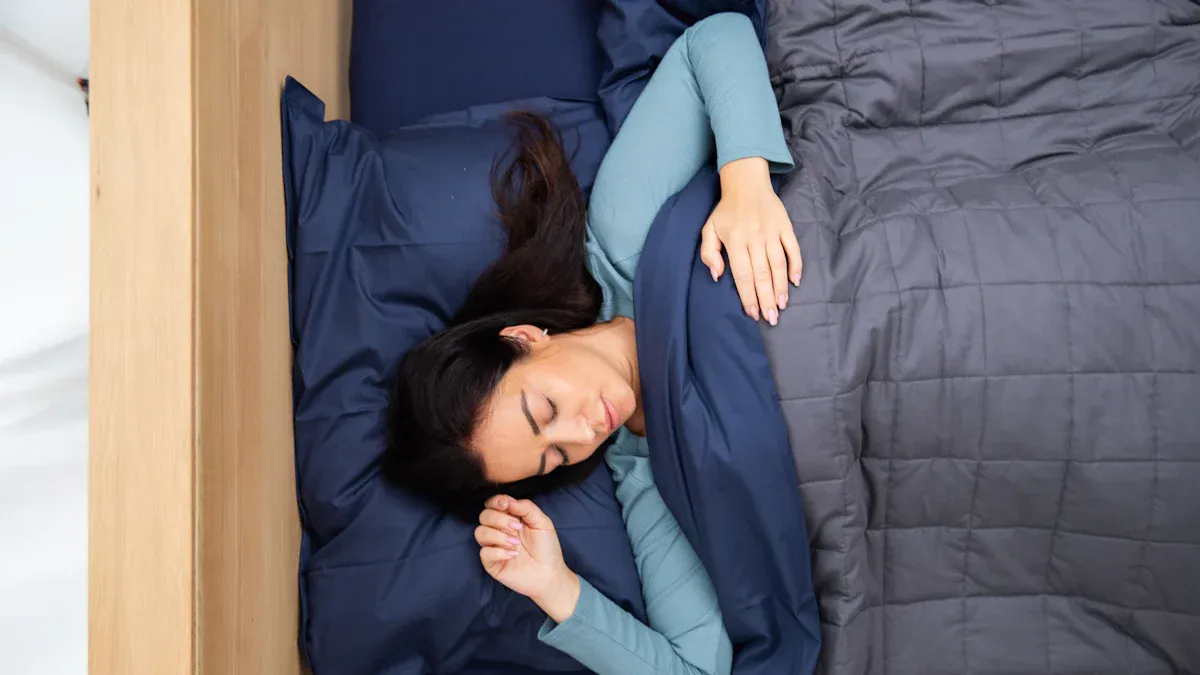
You might ask if it is safe to sleep with an electric blanket. New heated blankets have safety features like automatic shut-off and overheat protection. They also have insulated wiring. These features help lower the risks. But about 500 house fires each year in the United States involve electric blankets, mostly old ones. Always think about your comfort, health, and how old your heated blanket is before using it to sleep.
Key Takeaways
- Modern heated blankets have safety features. These include auto shut-off and overheat protection. Always check for these features before you use the blanket.
- Do not sleep with a heated blanket on all night. Use it to warm your bed first. Then turn it off to stop overheating and fire risks.
- Check your electric blanket often for damage. Look for frayed wires or worn fabric to stay safe.
- Some people should not use heated blankets. Children, older adults, and people with health problems have more risks.
- You can use wool or fleece blankets for warmth. These choices keep you warm without electrical dangers.
Heated Blanket Safety Risks

If you want to sleep with an electric heated blanket, you should know the main safety risks. Modern heated blankets have safety features like auto shut-off, but you can still get hurt if you do not use them right. The next parts talk about the biggest risks: overheating, fire hazards, and sleep problems.
Overheating
Getting too hot is a big worry when using an electric blanket. Your body can get overheated, especially if you keep the blanket on high all night. This is more dangerous if you cannot move well or do not feel temperature changes. Overheating can cause dehydration, burns, or even worse health problems.
Here are the most common reasons for overheating:
|
Cause |
Description |
|---|---|
|
Electrical Malfunctions |
Problems from bad manufacturing, broken wires, or control issues. |
|
Improper Handling and Storage |
Folding or storing the heated blanket wrong can break wires and cause shorts. |
|
Overuse and High Settings |
Using the heated blanket on high for too long can make too much heat and start a fire. |
Tip: Always use the lowest setting that feels good and do not keep the heated blanket on all night. Set a timer so it turns off after you fall asleep.
Safe temperature rules help you stay safe from overheating:
In the first 20 minutes, the heated blanket can get up to 194°F (90°C).
After warming up, it should not go over 149°F (65°C).
The best room temperature for using a heated blanket is 60–67°F. Older adults might like 68–77°F.
Fire Hazards
Fire is a real risk, especially with old or broken electric heated blankets. Most fires with heated blankets happen with ones that are over ten years old. Newer blankets have better safety features, but you still need to use them the right way.
|
Age of Blanket |
Fire Hazard Risk |
|---|---|
|
Over 10 years |
99% of fires |
|
Newer models |
Equipped with safety features |
You should always look for safety marks before buying or using an electric blanket. In the United States, check for UL, ETL, MET, or TUV SUD marks. These marks show the heated blanket meets strict safety rules.
|
Region |
Common Electrical Safety Certifications |
Additional Requirements/Standards |
|---|---|---|
|
United States |
UL, ETL, MET, TUV SUD |
FCC certification; checked by US Consumer Product Safety Commission |
|
Europe |
CE Mark |
Must follow EN 60335-1, EN 60335-2-17, EN 55014, EN 61000 |
|
United Kingdom |
UKCA Mark |
Must meet UK rules; self-check or outside testing needed |
Mistakes that make fire more likely include:
Folding, crumpling, or washing the heated blanket the wrong way
Using the wrong power settings or mattress
Using heated blankets that are more than ten years old
Note: Heated blankets cause only 0.04% of home fires, but you should still be careful. Always check your blanket for damage before you use it.
Sleep Disruption
A heated blanket can make you feel warm and cozy, but it can also mess up your sleep if you do not use it right. Studies show that keeping your body at the right temperature helps you sleep better. But if you get too warm, you might wake up or feel uncomfortable during the night.
|
Key Findings |
Implications on Sleep Quality |
|---|---|
|
Heated blankets help keep your body at a steady temperature. |
This can help you sleep better by making you comfortable. |
|
Too much heat can mess up your sleep. |
You need to keep the heat balanced so you do not wake up. |
|
The best room temperature and bedding help you sleep well. |
This helps you get deeper, better sleep. |
If you use a heated blanket, let it warm your bed first and turn it off before you go to sleep. This helps you sleep better and keeps your body safe.
Tip: Never use a heated blanket with babies, people with poor blood flow, or anyone who cannot change the controls themselves.
Who Should Avoid Sleeping with an Electric Blanket?
Some people have more risks when using an electric blanket at night. You should know if you or someone you care about is in these groups. The next parts explain why some people need to be extra careful. They also show how a heated blanket can affect your health.
Medical Conditions
If you have health problems, you must be careful with an electric heated blanket. People with diabetes or neuropathy may not feel heat changes. You might not notice if the heated blanket gets too hot. This can cause burns or even infections. If you have poor blood flow, your body heals slower. High heat can also make blood flow worse and lower blood pressure. This is risky if you have heart or blood vessel problems.
|
Medical Condition |
Effect |
|---|---|
|
Skin Conditions |
Long use can dry out skin, cause irritation, and make eczema worse. |
|
Circulatory Problems |
High heat can hurt blood flow and cause pain or harm. |
|
Sleep Quality Issues |
Extra heat can stop deep sleep and make you tired. |
Tip: If you have diabetes, nerve problems, or skin issues, ask your doctor before using an electric heated blanket at night.
Pregnant people should not use heated blankets. There is a chance of miscarriage and overheating. This can hurt both you and your baby.
Children and Elderly
Children and older adults have skin that is more sensitive. They may not notice heat as fast as others. Kids might not know how to use the controls or turn off the blanket. Older adults may react slower or have trouble moving. They might not get away from the heat in time. Both groups can get burns or become dehydrated more easily.
Kids under five should never use an electric heated blanket alone.
Older adults who cannot move well or forget things should not sleep with a heated blanket, even if it has safety features.
Pets
Pets like dogs and cats do not handle heat like people do. If your pet sleeps on your bed, a heated blanket can make them too hot or cause heatstroke. Dogs may not move away from the heat. Some pets might chew on the cords and get shocked.
- Too much heat can make pets lose water and get tired.
- Pets can get burns if they stay on the heated blanket too long.
- Chewing cords can cause bad injuries.
Note: Always keep pets away from electric heated blankets to keep them safe and healthy.
If you are in any of these groups, try other ways to stay warm at night. Using an electric blanket may feel nice, but your safety and comfort are most important.
Safe Sleep Tips with Electric Blankets
Preheating the Bed
You can warm your bed before sleeping by using your electric blanket. Most electric heated blankets have a pre-heat setting. Turn it on for 15 to 30 minutes before bedtime. Make sure the blanket is spread out flat. This helps stop hot spots from forming. Preheating gives you steady warmth without leaving the blanket on all night. After warming the bed, turn off the electric heated blanket or use a lower setting. Put your sheets over the blanket to keep the heat in longer. Using your electric blanket this way keeps you comfy and lowers safety risks.
Tip: Always turn off the electric blanket before you go to sleep. This helps protect you from getting too hot or starting a fire.
Using a Timer
A timer makes using your electric blanket safer. Many new electric blankets have auto shut-off. This feature turns off the blanket after a set time, usually between 1 and 10 hours. If your blanket does not have auto shut-off, use an outside timer. Setting a timer lets you get warm as you fall asleep but avoids risks from leaving it on all night. Studies show timers help lower the chance of overheating while you sleep.
|
Timer Type |
Benefit |
|---|---|
|
Built-in Auto Shut-Off |
Turns off by itself for safety |
|
External Timer |
Lets you pick when it shuts off |
Maintenance and Inspection
Checking your electric blanket often keeps it safe. Before using it, look for frayed wires, exposed cords, or worn fabric. Wash the blanket as the label says, and always remove electrical parts before cleaning. Store the heated blanket rolled up or hung, not folded, to protect the wires. These steps help stop fires and keep safety features working.
- Check the blanket before every use.
- Wash and dry it as the label says.
- Store it right to avoid damage.
Alternatives for Sleep Warmth
If you want to stay warm without an electric heated blanket, try other options. Wool and fleece blankets keep heat in well and do not have electrical risks. Weighted blankets can also help you feel warm and relaxed. These choices keep you comfy and help you sleep better.
|
Bedding Type |
Warmth Level |
Safety Considerations |
|---|---|---|
|
Wool/Fleece Blanket |
High |
No electrical risk |
|
Weighted Blanket |
Moderate |
Good for relaxation |
|
Heated Blanket |
Adjustable |
Needs regular safety checks |
Note: Pick the option that works best for you and always follow safety rules for the best sleep.
You can use a heated blanket at night if you are careful. Always look at your heated blanket to see if it is broken. Make sure it is dry before you use it. Turn on the auto shut-off so it turns off by itself. Burns and fires can happen if you do not check your blanket. That is why you should look at it before you go to sleep. The table below shows some important safety tips:
|
Safety Tip |
Why It Matters |
|---|---|
|
Inspect for damage |
Stops fires and keeps you safe |
|
Use auto shut-off |
Helps stop the heated blanket from getting too hot |
|
Replace old blankets |
Makes problems with the blanket less likely |
Follow these rules every night to stay safe and comfortable.
FAQ
Why should you avoid sleeping with a heated blanket all night?
Sleeping with a heated blanket all night is not safe. It can make you too hot and start a fire. Experts say to use the blanket to warm your bed first. Then turn it off before you go to sleep. This keeps you safer.
Why do heated blankets have auto shut-off features?
Heated blankets have auto shut-off to stop overheating. This feature turns the V off after some time. It helps stop fires and keeps you safe while you sleep. It also helps the blanket last longer.
Why are heated blankets not safe for children or elderly people?
Children and older people have skin that feels heat less. They might not notice if the blanket gets too hot. This can cause burns or make them lose water fast. Some may not know how to use the controls. This can lead to accidents or confusion.
Why should you inspect your electric blanket regularly?
Checking your electric blanket often is important. You can find broken wires or worn-out fabric. Blankets with damage can shock you or start a fire. Looking at your blanket before each use keeps everyone safe.
Why choose alternatives to heated blankets for warmth?
Other blankets like wool or fleece keep you warm without power. Weighted blankets help you feel calm and cozy. These choices are good for people with health problems. They are also safer and easier to use.