

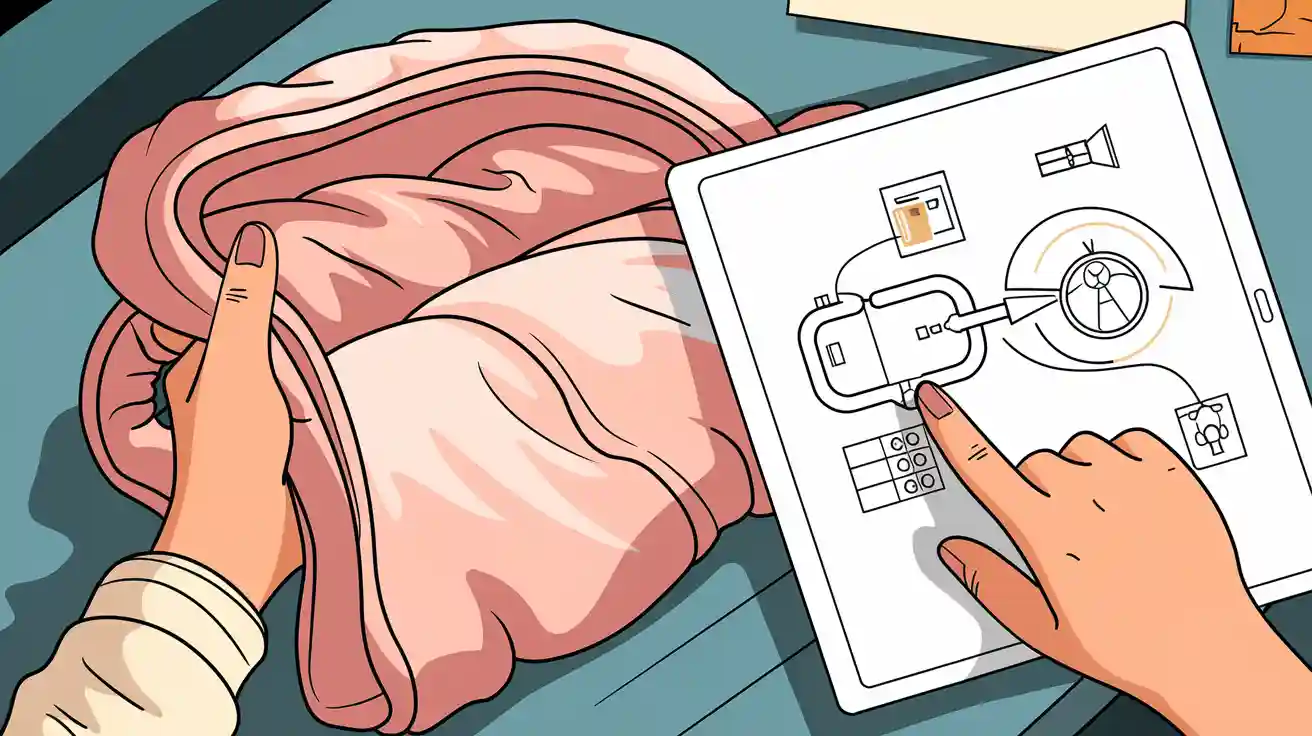
Reading an Electric Blanket Wiring Diagram gives you the power to maintain your electric blanket safely and effectively. You need to recognize each component to troubleshoot problems and prevent hazards. Every year, around 5,000 house fires start from electric blankets, sometimes due to mistakes like improper wiring. By learning to interpret these diagrams, you protect your home and ensure your blanket works as it should. Always test your work before use. With the right approach, you can master this valuable skill.
Key Takeaways
- Understanding the wiring diagram helps you identify components and troubleshoot issues, ensuring safe operation of your electric blanket.
- Familiarize yourself with common symbols and connections in the diagram to avoid mistakes during repairs and maintenance.
- Regularly test your electric blanket with a multimeter to check for faults and ensure safety before use.
- Always verify the presence of safety features like fuses and circuit breakers to prevent electrical hazards.
- Seek professional help for complex issues or visible damage to your electric blanket to ensure safe repairs.

Electric Blanket Wiring Diagram Basics
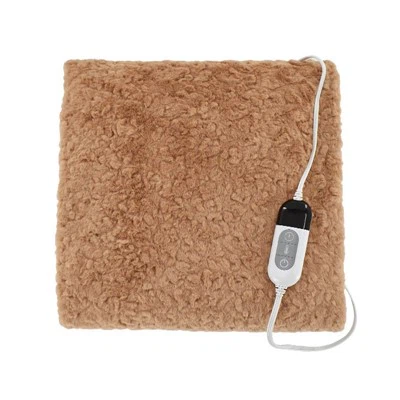
Understanding an electric blanket wiring diagram gives you a clear view of how your electric blanket operates. You use this diagram to trace electrical paths, identify safety features, and troubleshoot issues. The diagram shows how electricity flows from the power source through the heating element and back, helping you spot faults before they become hazards. You rely on this tool for safe repairs and maintenance.
Key Components
You find several essential parts in every electric blanket schematic diagram. Each component plays a specific role in the blanket's functionality and safety. The table below outlines the most common components and their functions:
|
Component |
Function |
|---|---|
|
Wires |
Carry electrical current and link power sources to devices. |
|
Input Bus Line |
Handles incoming signals, linking to sensors or external sources. |
|
Output Bus Line |
Manages distribution of signals from the system to other devices. |
|
Terminals |
Serve as connection points at the start or end of a circuit. |
|
Button Switch (Normally Open) |
Remains inactive until pressed, closing the circuit. |
|
SPST Switch |
Acts as an on/off toggle with one control point and two positions. |
|
Power Supplies |
Provide electrical energy, including batteries and AC/DC supplies. |
Tip: High-quality wires and terminals increase the strength and durability of your electric blanket. You should look for blankets with reinforced connectors and robust heating elements for longer service life.
Diagram Layout
- You see the diagram arranged to show the flow of electricity from the power supply to the heating element, passing through switches and safety devices. The layout helps you trace each wire and connection. You use this visual guide to check for proper installation and spot any damaged or loose parts. When you understand the layout, you improve your troubleshooting accuracy and reduce the risk of electrical hazards.
- You trace the flow of electricity using symbols and connections.
- You recognize safety devices to ensure proper connections.
- You identify switches and resistors to diagnose issues quickly.
- You benefit from knowing how each part works together. This knowledge lets you repair your electric blanket confidently and safely.
Understanding Symbols and Connections
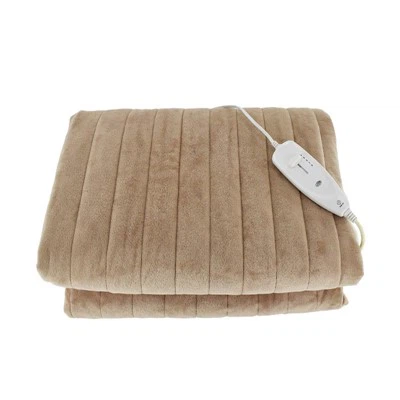
When you read an electric blanket wiring diagram, you need to understand the symbols and connections that guide safe repairs and troubleshooting. Recognizing these elements helps you avoid mistakes and ensures your electric blanket operates as intended.
Common Symbols
You encounter several standard symbols in every electric blanket schematic diagram. Each symbol represents a specific component or function. Misinterpreting these symbols can lead to incorrect installations, safety risks, or system malfunctions, such as confusing a fuse with a resistor. Here are the most common symbols you will see:
- Ground Symbol: Three descending horizontal lines show where excess current safely exits.
- Switches: A break in the line or a 'T' shape indicates a control point for electricity flow.
- Resistors: Zig-zag or rectangle shapes control the current in the circuit.
- Capacitors: Two parallel lines store electrical energy temporarily.
- Inductors: Loops or rectangular boxes appear in circuits with motors or transformers.
- Fuses: A line with a rectangle in the center protects against overloads.
- Circuit Breakers: Two small circles with a line between them provide overload protection.
- Connections: A small dot at intersecting lines shows where wires connect.
- Transformers: Two side-by-side coils alter voltage.
- Motors: A circle with an 'M' or 'X' inside converts electrical to mechanical energy.
Note: Always double-check each symbol before making repairs. A single error can compromise safety.
Wire Types and Color Codes
Wire selection affects both performance and safety in your electric blanket. You should know the differences between wire types and their color codes to ensure proper installation and avoid hazards. The table below compares common wire types:
|
Wire Type |
Performance Impact |
Safety Concerns |
|---|---|---|
|
Traditional Resistance Wire |
Economical, may cause uneven heating and dry skin |
Higher risk of electromagnetic radiation and burns |
|
Water-Heated |
Comfortable, no electromagnetic radiation, needs regular maintenance |
Automatic shut-off improves safety, but low heating efficiency may cause discomfort |
|
Graphene Heating |
Uniform heating, low energy use, therapeutic benefits |
No electromagnetic radiation risk, operates at safe voltage |
Color codes help you identify wire functions quickly. For example, black wires often carry power, white wires serve as neutral, and green or bare wires provide grounding. Always match the color codes in your diagram to the actual wires in your blanket.
Connectors and Switches
Connectors and switches play a vital role in controlling and directing electricity within your electric blanket. You find several types, each with a unique symbol and function. The table below outlines the most common switches you will encounter:
|
Switch Type |
Description |
Symbol Representation |
|---|---|---|
|
Generic Switch |
Open condition, breaks the circuit |
|
|
Open Switch |
Stops current flow |
|
|
Closed Switch |
Allows current to flow |
|
|
Thermal Magnetic Switch |
Breaks circuit during current spikes, delays for overloads |
|
|
Limit Switch |
Activated by mechanical parts, used in control systems |
Tip: Choose connectors made from high-quality materials to prevent overheating and ensure long-term reliability.
By mastering these symbols, wire types, and connections, you gain confidence in reading any electric blanket wiring diagram. This knowledge helps you maintain safety, improve performance, and extend the life of your electric blanket.
Tracing the Electric Blanket Circuit

Understanding how to trace the electric blanket circuit gives you the confidence to maintain, repair, and troubleshoot your blanket safely. By following the path of electricity, you can identify faults, verify safety features, and ensure reliable heating performance. This section guides you through the circuit path, highlights essential safety mechanisms, and explains how to test your blanket using a multimeter.
Circuit Path
You start by examining the flow of electricity from the power source through the heating element and back. This process helps you visualize how each component interacts within the electric blanket schematic diagram. The table below outlines the typical circuit path:
|
Component |
Description |
|---|---|
|
Power Supply |
Rated for 18VDC output at 3.5A (63W). Provides the necessary voltage and current for safe operation. |
|
Heating Element |
Directly connected to the positive rail. Delivers consistent warmth across the blanket. |
|
Control Mechanism |
A MOSFET switches on the negative output. Allows precise temperature control and energy efficiency. |
When you follow the diagram, you see the power supply feeding current into the heating element. The control mechanism, often a MOSFET, regulates the negative output, ensuring the blanket heats evenly and responds to your adjustments. This design minimizes energy waste and extends the life of your electric blanket.
Tip: High-quality materials in the heating element and control mechanism reduce the risk of hot spots and improve comfort. Choose blankets with reinforced wiring for better durability.
Safety Features
Safety features protect you from electrical hazards and ensure the blanket operates reliably. You find these components clearly marked in every electric blanket wiring diagram. The table below summarizes the most common safety features and their symbols:
|
Safety Feature |
Symbol Description |
|---|---|
|
Grounding |
Three descending horizontal lines. Safely directs excess current away from the user. |
|
Switches |
Break in the line or 'T' shape. Lets you control power flow and shut off the blanket quickly. |
|
Fuses |
Line with a small rectangle in the center. Protects against overloads by breaking the circuit if current exceeds safe levels. |
|
Circuit Breakers |
Two small circles with a line between them. Automatically disconnects power during faults or surges. |
You should always check these safety features when inspecting your blanket. Proper grounding prevents electric shock, while fuses and circuit breakers stop dangerous currents before they cause harm. Switches give you manual control, letting you turn off the blanket instantly if you notice any issues.
Alert: Never use an electric blanket with missing or damaged safety features. Always verify their presence and condition before plugging in your blanket.
Testing with a Multimeter
Testing your electric blanket with a multimeter ensures the circuit is safe and functional before use. You can follow these steps to check for continuity and detect faults:
- Set up your multimeter by turning it to the resistance (ohm) setting. This mode checks the continuity of the heating elements.
- Disconnect the blanket from the power source. Access the wiring connections, usually found at the end of the blanket where the power cord attaches.
- Attach the multimeter probes to the terminals of the blanket's plug. A normal resistance reading should match the range specified in your user manual. If you see infinite resistance or an open circuit, the wiring may be broken.
- Switch your multimeter to continuity mode. Test between the heating element wire and the blanket's outer covering. The multimeter should not show continuity. If it does, there is a short circuit in the heating element.
Note: Handle the probes gently to avoid damaging the wires or fabric. Make sure your hands and the blanket are dry during testing to prevent electric shock.
Many users make common mistakes during testing. You should always disconnect the blanket from power before testing, use the correct multimeter setting, and compare your readings to the manufacturer's specifications. These steps help you catch problems early and avoid safety risks.
By tracing the electric blanket circuit, you gain a deeper understanding of how each part works together. This knowledge empowers you to perform effective troubleshooting, maintain safety, and extend the lifespan of your blanket. Whether you use your blanket for comfort on cold nights or therapeutic heating, a well-maintained circuit ensures reliable performance and peace of mind.
Troubleshooting with the Schematic Diagram
When you encounter issues with your electric blanket, the electric blanket wiring diagram becomes your most valuable tool. This diagram helps you pinpoint faults, understand controller behavior, and make safe repairs. By following a systematic approach, you can restore your blanket's heating performance and ensure reliable operation.

Finding Faults
You often face common problems when working with electric blankets. The diagram allows you to trace each connection and identify where things go wrong. Here are the most frequent faults you might discover:
- Misinterpreting symbols can lead to incorrect installations.
- Missing connections or junctions interrupt the circuit flow.
- Incorrect wire sizing causes overheating and safety risks.
- Overlapping wires and components make the diagram cluttered and confusing.
- Inadequate labeling leads to mistakes during troubleshooting.
- Skipping the review process results in overlooked errors.
Tip: Always review the entire diagram before making changes. Careful inspection prevents costly mistakes and keeps your electric blanket safe.
Controller Issues
The electric blanket temperature controller plays a crucial role in regulating warmth. When you suspect a controller malfunction, the schematic diagram helps you diagnose the problem. You can:
- Identify high resistance in heating elements, which often results from repeated flexing.
- Spot connector issues that disrupt power delivery.
- Understand how the controller connects to both the power adapter and the heater, allowing for precise temperature regulation.
- Use the diagram to locate the sensor responsible for monitoring temperature, which is essential for detecting overheating or faulty components.
- Analyze the circuit board layout to simplify debugging and ensure proper timing for temperature control.
Note: If your blanket fails to heat evenly or the controller feels unresponsive, use the diagram to check each connection and component.
Repair Tips
You can use the electric blanket wiring diagram to verify the integrity of all connections before attempting repairs. Consider these best practices:
- Use schematic simulation to test the functional correctness of the circuit before making physical changes.
- Perform trace analysis to check signal quality and identify weak points.
- Conduct signal integrity testing to ensure reliable performance during heating cycles.
For controller malfunctions, follow these troubleshooting steps:
- Inspect the power source and check the cord for visible damage.
- Reset the blanket by unplugging and replugging it, using the control reset if available.
- Examine all connections, making sure they are secure and clean.
- Look for signs of wear or damage on both the blanket and the control unit.
Alert: Never ignore loose or damaged connections. Addressing these issues early prevents further damage and ensures your electric blanket operates safely.
By using the electric blanket wiring diagram for troubleshooting, you gain confidence in diagnosing faults, repairing connections, and maintaining optimal heating performance. This approach not only extends the life of your blanket but also provides peace of mind during every use.
Electric Blanket Safety Tips

Precautions
You must follow strict safety precautions when working with an electric blanket wiring diagram. These steps protect you from electric shock, burns, and fire hazards. Always unplug the blanket before you begin any inspection or repair. Work in a dry, well-lit area to reduce the risk of accidents. Use insulated tools and wear gloves to prevent injury.
Professional repair services follow a proven process to ensure safety and reliability:
- Unplug the blanket and check that the work area stays dry.
- Inspect the fabric and wiring for visible damage or scorch marks.
- Test the wiring with a multimeter to find any breaks or faults.
- Repair broken wires using proper soldering techniques and insulate with electrical tape or heat-shrink tubing.
- Reassemble the blanket, test for uniform heating, and confirm all repairs with a final multimeter check.
Tip: Always check for certification marks on your electric blanket. These marks show that the product meets safety standards in your region.
|
Region |
Certification/Standard Requirements |
|---|---|
|
EU |
Must comply with directives and bear the 'CE' mark; relevant standards include EN 60335-1, EN 60335-2-17, etc. |
|
UK |
UKCA mark required since January 1, 2023; must meet standards specified in SI 2016 No. 1091/1101/3032. |
|
US |
FCC certification for products with radio functions; must comply with CPSC safety regulations and UL standards. |
|
Japan |
PSE certification required; must meet Japanese Electrical Appliance Safety Law standards and affix a circular PSE mark. |
When to Seek Help
Some situations require you to consult a professional. Attempting repairs in these cases can increase the risk of injury or damage. You should seek expert help if:
- You notice a burning smell from the blanket.
- You see visible damage to the fabric or wiring.
- The blanket behaves unpredictably, such as turning on and off by itself.
- You suspect complex internal wiring problems.
Alert: Never use a damaged electric blanket. Professional electricians have the tools and training to handle advanced repairs and ensure your blanket remains safe for daily use.
By following these safety tips, you protect yourself and extend the life of your heating product. Safe practices give you peace of mind and reliable comfort during cold nights.
You can confidently read and use an electric blanket wiring diagram by following these steps:
- Understand symbols for each component.
- Identify the power source.
- Trace the current flow.
- Recognize all connections.
- Interpret labels for clarity.
Regular testing and inspection help you prevent hazards, extend your blanket's lifespan, and ensure safe operation.
For deeper knowledge, explore guides, FAQs, or books on electrical safety. If you face complex issues, consult a professional for peace of mind.
FAQ
Why should you use an electric blanket wiring diagram for repairs?
You use an electric blanket wiring diagram to identify each component and connection. This approach helps you avoid mistakes, ensures safety, and speeds up troubleshooting. You gain confidence when you follow a clear guide during repairs.
Why do electric blankets need built-in safety features?
You need built-in safety features to prevent overheating, electrical fires, and shocks. These features protect you and your home. You should always check for fuses, circuit breakers, and proper grounding before using your electric blanket.
Why does your electric blanket stop heating evenly?
You may notice uneven heating due to damaged wires, faulty controllers, or worn heating elements. You use the wiring diagram to trace the circuit and find the problem. Quick troubleshooting restores comfort and extends your blanket's life.
Why should you test your electric blanket with a multimeter before use?
You test your electric blanket with a multimeter to confirm circuit integrity and safety. This step detects broken wires or short circuits. You prevent hazards and ensure reliable performance by checking your blanket before plugging it in.