


You might worry about the Safety of Electric Blankets at home. New electric blankets give steady warmth if you use them right. But there are still some dangers. Electric blankets start about 5,000 house fires each year in the United States. These fires cause many injuries and deaths, mostly from old models.
In 2018, more than 10,000 electric blankets, heating pads, and throws were recalled because they could burn or catch fire.
Think about what you need before you use one, and always use safe habits.
Key Takeaways
- Always look at your electric blanket before you use it. Check for wires that are broken or burned. This helps stop accidents from happening.
- Use your electric blanket the right way. Follow the instructions from the company. Unplug the blanket before you go to sleep. Only keep it plugged in if it is made for all-night use.
- Pick electric blankets with safety features. Look for auto shut-off and temperature control. These features help stop the blanket from getting too hot or starting a fire.
- Store your electric blanket the right way. Unplug it first. Fold it gently and do not make it tight. Keep it in a cool and dry place. This helps keep it safe.
- Talk to your doctor if you have health problems like diabetes. You should also ask if you are pregnant. Your doctor can tell you how to use electric blankets safely.
Safety of Electric Blankets
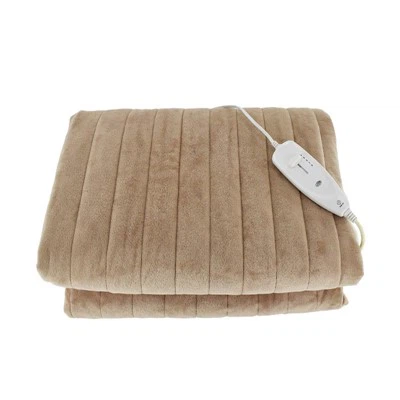
Fire and Overheating Risks
Fire and overheating are the biggest dangers with electric blankets. Most problems happen because something goes wrong with the electricity, or people use the blanket the wrong way. Using the blanket too much can also be risky. Fire safety groups say these are the main reasons:
- Problems with the wiring or controls can cause trouble.
- Storing or handling the blanket wrong can break the wires inside.
- Using the blanket for too long or on high heat is unsafe.
Tip: Only keep your electric blanket on all night if the company says it is safe. Always unplug it before you sleep.
New electric blankets have special features to help keep you safe:
- Automatic shut-off turns the blanket off after a while.
- Overheat sensors stop the blanket if it gets too hot.
- You can pick a safe temperature with the controls.
- Insulated wires help stop fires from starting.
- ETL or UL marks mean the blanket passed tough safety tests.
To lower fire risk, do not fold the blanket while it is on. Do not use extension cords. Never use other heaters with your electric blanket. These tips help keep the safety of electric blankets at home or work.
Electrical Issues
Electric blankets can have electrical problems that are dangerous. You might see the blanket get too hot, or notice broken wires or cords. These things can cause burns, shocks, or even fires. Reports from safety groups say these problems happen a lot.
Here is a recent recall example:
|
Product Name |
Hazards |
Units Affected (U.S.) |
Units Affected (Canada) |
|---|---|---|---|
|
Sunbeam Queen Size Heated Blanket |
Burn and fire hazards |
43,000 |
15,000 |
Note: Always check your electric blanket for damage before you use it. If you see any problems, stop using it right away.
For hotels or hospitals, checking blankets often and teaching staff is very important. Make a plan to check and fix blankets. Keep records to help keep the safety of electric blankets for everyone.
Health Concerns
Some people have more health risks with electric blankets. If you have diabetes, you might not feel heat well, so you could get burned. People with blood flow problems or older adults may not notice heat as much. People with dementia, like Parkinson's or Alzheimer's, may not control body heat well and need someone to watch them.
- Pregnant people should be careful. There is no strong proof that electric blankets hurt your heart, but getting too hot can be bad for your heart if you have heart problems.
- People with diabetes can get burns because they cannot feel heat.
- People with blood flow problems or older adults can get burned more easily.
- People with dementia need help to avoid getting too hot.
- Pregnant people should not use electric blankets for a long time.
Tip: If you are in one of these groups, ask your doctor before using an electric blanket. Always follow the instructions to keep the safety of electric blankets.
Safe Use
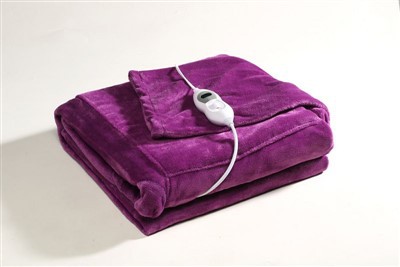
Setup and Operation
You must set up your electric blanket with care. This helps keep you safe and warm. First, lay the blanket flat on your bed. Do not fold or bunch it up. Folding can break the wires and make hot spots. Always check the blanket for damage before you use it. Look for frayed wires or worn spots. If you see any problems, do not use the blanket.
Here are steps for safe use:
- Put the blanket flat with no folds.
- Plug it into a wall outlet, not an extension cord.
- Pick the lowest setting that feels good. Use timers or auto shut-off if you have them.
- Never use the blanket if it is wet or damp.
- Do not put heavy things on the blanket. This can hurt the wires inside.
- Do not use the blanket with babies or people who cannot use the controls.
Tip: Many accidents happen with old or broken blankets. Get a new blanket if yours looks worn out.
When to Turn Off
Turn off your electric blanket before you go to sleep. Only leave it on all night if the company says it is safe. Most experts say to warm your bed first, then turn it off before you get in. Timers and auto shut-off make it safer.
"The best choice is a blanket that shuts off by itself or has a timer."
Leaving the blanket on all night can make it too hot. This is risky for kids, older people, or those with health problems. Getting too hot can make you sick or even start a fire. In hotels or hospitals, staff should turn off blankets after use. Never leave them on when no one is watching.
Storage Tips
Storing your blanket the right way keeps the Safety of Electric Blankets strong. Always unplug the blanket and take off the controls before you put it away. Fold it loosely or roll it up. This stops the wires from getting squeezed. Keep it in a cool, dry place, away from water and sunlight. Do not put heavy things on top. Never use mothproofing chemicals.
|
Do's |
Don'ts |
|---|---|
|
Fold loosely or roll gently |
Fold tightly or crumple |
|
Store in a dry, cool location |
Store in damp or hot places |
|
Unplug before storing |
Leave plugged in |
|
Use a storage bag |
Place heavy items on top |
For hotels or hospitals, teach staff how to store and handle blankets. This helps keep everyone safe and lowers risks.
Maintenance

Regular Checks
You should inspect your electric blanket before each season. Experts recommend checking for wear and tear every year, especially if your blanket is more than ten years old. This habit helps you spot safety issues early and keeps your blanket working well. Look for frayed fabric, exposed wires, scorch marks, or any odd smells. These signs mean you need to stop using the blanket right away.
Tip: Ask a licensed electrician to test your electric blanket every two to three years. This step is important for hotels, hospitals, and care homes where safety standards must stay high.
|
Inspection Interval |
Who Should Inspect |
What to Look For |
|---|---|---|
|
Every Season |
You |
Frays, burns, exposed wires |
|
Every 2-3 Years |
Electrician |
Internal wiring, controls |
Cleaning
Proper cleaning keeps your electric blanket safe and comfortable. Always check the care label first. Most blankets allow gentle hand or machine washing. Use cool or lukewarm water and mild detergent. Never wring out the blanket. Air dry it flat on a rack or line. Avoid direct heat and never use a dryer unless the label says it is safe.
Cleaning Steps:
- Read the care label for instructions.
- Hand wash in cool water with mild soap, or use a gentle machine cycle.
- Rinse well to remove all soap.
- Air dry flat, away from heat.
- Never dry clean or use harsh chemicals.
- Regular cleaning removes dust and allergens, which helps your blanket last longer and work better.
Replacement
Replace your electric blanket at least every ten years. Old or damaged blankets can overheat or cause burns. You should replace your blanket right away if you notice:
- Frayed fabric or wires
- Scorch marks or burning smells
- Uneven heating
- Control problems
- Worn-out power cords
Alert: Using an old or worn-out electric blanket is the biggest safety risk. Always choose safety over saving money.
Special Users

Children and Elderly
Children and elderly people need extra care with electric blankets. These groups are more sensitive to heat and may not change settings easily. Babies and toddlers should never use electric blankets. They can get too hot very fast. Older kids need an adult to watch them when using the blanket. Do not leave the blanket on all night for kids. Elderly people have thinner skin, so burns happen more easily. Some older adults cannot move away if the blanket gets too hot.
Key precautions for children and elderly:
- Never let babies or toddlers use electric blankets.
- Watch older kids when they use the blanket.
- Pick blankets with automatic shut-off and low heat.
- Make sure elderly users can change settings and move if needed.
- Check for burns, broken wires, or torn fabric before each use.
Tip: Heated throws with overheat protection are safer for these groups. Always read the instructions and look for damage often.
Pregnant Women
Pregnant women need to think about the safety of electric blankets. Doctors say not to use electric blankets during pregnancy, especially in the first three months. Getting too hot can hurt the baby's growth. Some studies show that using electric blankets while pregnant may raise the chance of birth problems, especially for women who have trouble getting pregnant.
Guidelines for pregnant women:
- Do not use electric blankets for a long time, especially early in pregnancy.
- Use the lowest setting if you use one.
- Keep your room between 65-70°F to stay comfortable.
- Try extra blankets or heated mattress pads instead.
Alert: Getting too hot while pregnant can cause problems. Ask your doctor before using any heated bedding.
Medical Conditions
People with medical problems like diabetes or neuropathy must be careful with electric blankets. These health issues can make it hard to feel heat, so burns can happen. Doctors say to warm the bed first, then turn off the blanket before you get in. Always talk to your doctor to see if it is safe for you.
Safety tips for users with medical conditions:
Ask your doctor before using an electric blanket.
Warm the bed, then turn off the blanket before sleep.
Do not let the blanket touch your skin if you have nerve damage.
Check the blanket for damage every time you use it.
|
Condition |
Risk Factor |
Recommended Action |
|---|---|---|
|
Diabetes |
Loss of feeling |
Ask doctor, do not use overnight |
|
Neuropathy |
Cannot feel heat |
Warm bed, turn off before sleep |
|
Heart Issues |
Risk of getting too hot |
Use low heat, watch closely |
Note: The safety of electric blankets depends on your health. Always put your health first and listen to experts.
Annotations:
- U.S. Consumer Product Safety Commission, Electric Blanket Safety Guidelines
- American Academy of Pediatrics, Infant Sleep Safety Recommendations
- Case-Control Study: Prenatal Electric Blanket Use and Congenital Anomalies, Journal of Epidemiology
- American Diabetes Association, Heated Bedding Safety for Diabetics
- National Institute on Aging, Safe Use of Electric Blankets for Older Adults
Buying Guide

Safety Certifications
When you buy an electric blanket, check for safety certifications. These marks mean the product is safe to use. Certified blankets help keep you and others safe. Here is a simple guide to common certifications:
|
Certification |
Description |
|---|---|
|
UL |
Shows the blanket passed safety and fire tests. |
|
ETL |
Means the blanket was tested by another company. |
|
FCC |
Shows the blanket follows rules for electronics. |
Tip: Buy your electric blanket from a store you trust. Only choose blankets approved by a national testing group like UL. Do not buy used blankets. Old blankets may not be safe.
Different countries use different marks. In the United States, look for UL and FCC. In Europe, find the CE mark. In the UK, look for UKCA. In Japan, check for PSE. These marks help you compare blankets from different places.
Features to Look For
Your electric blanket should be safe and easy to use. Look for these features:
- Temperature Control: Lets you change the heat for comfort and safety.
- Auto-Off Timer: Turns off the blanket after some time to stop overheating.
- Strong Construction: Keeps wires and heating parts safe. Check for safety labels and instructions.
A blanket with these features helps stop burns and fires. In hotels, hospitals, or care homes, these features help staff keep people safe.
Trusted Brands
Pick brands that have a good safety record. Top brands use better materials and more safety features. Here is a simple comparison:
|
Brand |
Certifications |
Key Features |
Review Score* |
|---|---|---|---|
|
Sunbeam |
UL, ETL, FCC |
Auto-off, temp control |
4.5/5 |
|
Biddeford |
UL, ETL |
Many heat settings |
4.3/5 |
|
Pure Warmth |
UL |
Heats fast, auto-off |
4.2/5 |
*Based on reviews from buyers and experts (Consumer Reports, 2023).
For business buyers, look at warranty, bulk prices, and support. Read reviews and check if the blanket follows local safety rules.
Annotations:
- Consumer Product Safety Commission, Electric Blanket Safety Standards
- Consumer Reports, Electric Blanket Ratings 2023
- Intertek, ETL Certification Overview
- Underwriters Laboratories, UL Mark Guide
- FCC, Electronic Consumer Goods Compliance Guide
- You can use electric blankets safely if you follow some rules.
- Check your blanket for any damage before you use it.
- Pick blankets that have safety marks or labels.
- Clean and store your blanket the way the instructions say.
- Turn off the blanket before bed, unless the company says it is okay.
If you have questions, read the manual or ask an expert. Always put safety first to keep your home, business, and yourself safe.
FAQ
Why should you avoid using an electric blanket with an extension cord?
Extension cords can get too hot and may start a fire. Always plug your electric blanket into the wall. This keeps it safe and stops electrical problems at home or work.
Why do electric blankets need regular inspections?
Checking your blanket often helps you find damage early. Broken wires or controls can cause burns or fires. Look at your blanket before each season to keep everyone safe. Businesses also check blankets to protect their clients.
Why is it unsafe for babies or toddlers to use electric blankets?
Babies and toddlers cannot control their body heat well. They can get too hot fast and cannot change the settings. Never use electric blankets for infants. This keeps kids safe at home, in hotels, or care centers.
Why do some people with health conditions need to avoid electric blankets?
Some health problems, like diabetes or neuropathy, make it hard to feel heat. You might not notice burns or if you get too hot. Doctors say to avoid electric blankets or use them very carefully. Always ask your doctor before using one.
Why do businesses prefer electric blankets with auto shut-off features?
Auto shut-off helps stop overheating and fire. It keeps guests, patients, and staff safer. This feature saves energy and meets safety rules for hotels, hospitals, and care homes.