


You use your electric blanket to stay warm. It can be annoying when it stops working. If you ask, "Why is my Electric Blanket Not Heating?", you are not the only one.
About 30% of people with electric blankets have heating problems every year.
Safety is very important before you try to fix it. Old or broken blankets can be dangerous:
|
Safety Risk |
Description |
|---|---|
|
Fire Hazard |
Broken wires or putting things on top can make it too hot and start a fire. |
|
Burn Risk |
Sleeping on a wrinkled blanket can burn you if heat stays in one spot. |
Always look for damage before you use your blanket. Act fast if you see something wrong.
Key Takeaways
- Always look for damage before you use your electric blanket. Check for wires that look worn out or burned spots to stay safe.
- If your blanket does not get warm, check the power and cords. Make sure everything is plugged in well and look for damage.
- You can fix heating problems by resetting your electric blanket. Unplug it, wait a few minutes, then plug it back in.
- New electric blankets have safety features like auto shut-off. These features stop the blanket from getting too hot and lower fire risks.
- If your blanket is older than 10 years or looks damaged, think about getting a new one. This will help keep you safe and make the blanket work better.
Electric Blanket Not Heating: Main Reasons
If your electric blanket is not heating, you want to know why. There are a few common reasons this can happen. Knowing these reasons helps you figure out what to do next.

Power Supply Issues
Power supply problems are a big reason for heating issues. Make sure your blanket is plugged into a working outlet. Sometimes, the cord gets cuts or frays. This stops power from reaching the heating elements. If the control unit settings are wrong, your blanket may not heat. The control unit can also break. Overheating can happen if the thermostat or heating element does not work right.
Tip: Always check the power cord and plug for damage before you use your blanket.
Connection Problems
Connection problems are common for electric blanket not heating. These problems can happen because:
- Wires inside the blanket can break or fray. This stops electricity from flowing.
- Moving or folding the blanket a lot can loosen connectors.
- Sometimes, only one side heats up because the controls are broken.
If you feel cold spots or no heat, check all the connections. Make sure everything is tight.
Damaged Heating Wires
Heating wires inside the blanket can break or wear out. This usually happens from bending, folding, or storing the blanket wrong. You might notice cold spots or no heat at all. Some causes are:
- Controller problems
- Bad connections
- Safety shutoff turning on
Always lay your blanket flat. Do not bend it sharply to keep the wires safe.
Blown Fuse or Tripped Breaker
A blown fuse or tripped breaker can stop power to your blanket. If you think this is the problem, do these steps:
- Find your home's circuit breaker or fuse box.
- Look for the switches for each area.
- Reset any tripped switches by flipping them the other way.
- Turn off the main power before you change a fuse.
- Use a flashlight so you can see better.
- Wear thick rubber gloves to stay safe.
- Use a plastic fuse puller for cartridge fuses.
Note: If your blanket still does not heat after you reset the breaker or change the fuse, check other parts.
Controller or Thermostat Faults
Controller or thermostat faults can cause uneven heating or no heat. You might notice:
- The thermostat or control unit does not work right
- Some spots get too hot
|
Common Symptoms |
Description |
|---|---|
|
Blinking lights |
Can mean thermostat problems or loose connections |
|
Overheating |
Can make safety features turn off the heat |
|
Connection issues |
Loose or broken cords can make lights flash |
If you see blinking lights or uneven heat, test the controller and check all cords.
Safety Shut-Off Triggered
Modern electric blankets have safety shut-off features to stop accidents. These turn on when:
- The blanket gets too hot from folding or wrong use
- Heavy things are put on the blanket
- Too much power or control problems happen
Alert: Always keep your blanket flat and do not put things on top. Follow the instructions from the maker to stay safe.
|
Feature |
Description |
Effectiveness |
|---|---|---|
|
Automatic Shut-Off |
Turns off after 8-10 hours |
Lowers the chance of overheating |
|
Overheat Protection |
Shuts off if it gets too hot |
Stops fire hazards |
|
Compliance with New Rules |
All new blankets must have this feature |
Makes sure safety rules are followed |
Automatic shut-off and overheat protection help stop fires and injuries. These features make electric blankets safer to use every day.
Studies show automatic shut-off lowers fire risk if blankets are left on.
If your electric blanket is not heating, check these main reasons. You can fix simple problems yourself, but always be safe.
Troubleshooting Steps

When you notice your electric blanket not heating, you need a clear, safe process to find the problem. Follow these steps to troubleshoot effectively and protect yourself from hazards.
Safety Checks First
Start with safety. Always unplug your blanket before you inspect or touch any part of it. Manufacturers recommend these checks before you do anything else:
- Look for visible damage, frayed fabric, or exposed wires.
- Smell for unusual odors that could mean overheating.
- Test all control settings and safety features, like automatic shut-off.
- Listen for buzzing sounds from the controller.
- Check for worn or discolored spots on the fabric.
Tip: If you find any damage or smell something odd, stop using the blanket right away. Replace it to avoid fire or injury.
Inspect Connections and Plugs
Next, check all connections and plugs. Many heating issues come from loose or damaged plugs. Here's how you can do it:
- Examine the power cord and plug for cuts, frays, or burn marks.
- Make sure the plug fits tightly into the outlet.
- Use a multimeter to test for continuity in the plug and cord. Set the device to resistance mode, attach the probes to the plug terminals, and look for normal readings.
- Avoid plugging your blanket into outlets controlled by light switches.
|
Step |
What to Look For |
Action if Faulty |
|---|---|---|
|
Visual Inspection |
Frayed wires, loose plugs |
Replace or repair |
|
Multimeter Test |
No continuity or abnormal reading |
Stop use, seek repair |
Reset the Blanket
Sometimes, a simple reset solves the problem. Leading brands suggest this method:
- Unplug the blanket from the outlet.
- Check all connections between the blanket, control unit, and power cord.
- Wait 2-3 minutes to let the electronics reset.
- Plug the blanket back in.
- Turn it on and test the heat settings.
Resetting often fixes unresponsive controls and irregular heating. If your electric blanket not heating issue continues, move to the next step.
Check for Visible Damage
Carefully inspect the blanket for signs of wear or damage. Look for:
- Burns, scorch marks, or discoloration.
- Exposed or poking wires.
- Loose casings or melted spots.
If you see any of these, stop using the blanket. Damaged blankets can overheat and cause fires.
Test the Controller
Finally, test the controller to make sure it works:
- Check for visible damage or melted spots on the controller and cords.
- Plug in the blanket and turn it on.
- Cycle through all control settings to see if the blanket heats evenly.
- Verify that safety features, like automatic shut-off, work as expected.
- Unplug the blanket after testing.
If the controller does not work or you notice uneven heating, you may need a replacement or professional repair.
If you find serious damage or if these steps do not fix the problem, stop troubleshooting. Using a faulty blanket risks your safety. Quick action keeps you warm and safe, and helps you avoid costly accidents.
Repair or Replace?
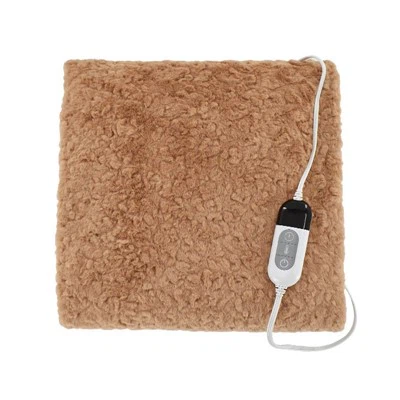
When to Seek Help
You might not know if you should fix your electric blanket or get help. In a business, a broken blanket can make people less comfortable and less productive. Here are some signs that repair could work:
- If you see sparks when you change settings, there may be an electrical problem. A technician can often fix this.
- If you notice black marks on parts, sometimes these can be repaired. You might not need a new blanket.
- If the thermal fuse is broken, it is very important for safety. If this is the only issue, a repair by an expert can make the blanket safe again.
Tip: For business owners, checking blankets often and fixing them quickly helps them last longer and saves money.
If your blanket keeps breaking or repairs do not fix it, think about the cost. Sometimes, buying a new, safer blanket is better than paying for many repairs.
Signs It's Time for a New Blanket
Electric blankets do not last forever. Most work well for at least five years. If you use them a lot or have an old one, you may need a new one sooner. In businesses, safety and working blankets are very important. Get a new blanket if you see:
- Fabric that is frayed or wires you can see
- Burn marks or places that look burned
- Folds or creases that could hurt the wires inside
- Wet spots or any moisture
- Tie tapes that are missing or broken
- Loose plugs or connections
- Power cords that are worn out
- An old safety mark (look for the new black-and-white logo)
- The blanket is more than 10 years old, even if it looks okay
|
Blanket Age |
Recommended Action |
Risk Level |
|---|---|---|
|
0-5 years |
Check and take care of it |
Low |
|
5-10 years |
Watch it closely |
Moderate |
|
10+ years |
Get a new one right away |
High |
Getting new electric blankets with better safety features can help keep everyone safe and comfortable.
Safety Tips for Future Use
You can keep your electric blanket safe and make it last longer by doing these things:
- Make sure it has safety labels, like UL testing.
- Look for cracks in the wires or frayed spots before you use it.
- Keep the blanket flat so it does not get too hot.
- Do not put things or pets on top of the blanket.
- Clean it the way the maker says.
- Turn it off before you sleep if it does not have a timer.
- Do not use it on waterbeds or beds that move up and down.
- Keep cords where you can see them and do not put them under the mattress.
- Do not use more than one heating thing at the same time.
Note: For businesses, teaching workers about electric blanket safety and checking blankets on a schedule can stop accidents and protect your money.
By picking good electric blankets and following these safety rules, you keep people and property safe. Buying new blankets with strong materials and the latest safety features can save money and lower risk over time.
If your electric blanket will not heat, you want to fix it. Try these steps first:
- Unplug the blanket and plug it back in to reset it.
- Look at all the connections and make sure they fit well.
- Check for burns, wires sticking out, or other damage you can see.
- Read the user manual for tips about your blanket.
- Feel the whole blanket to see if it heats up everywhere.
If your blanket is old or broken, get a new one to stay safe. If you still have trouble, ask an expert for help. Most problems are easy to fix, so you can get your blanket warm and safe again.
FAQ
Why does my electric blanket stop heating after a few minutes?
Your electric blanket might turn off by itself. This is called automatic shut-off. Companies add this to stop overheating and fires. If your blanket turns off a lot, check the controller settings. Look at the user manual for safety rules.
Tip: Automatic shut-off keeps you safe and helps your blanket last longer.
Why do only some areas of my electric blanket heat up?
If only some parts get warm, wires or connections may be bad. Look at your blanket for any damage you can see. If you find cold spots, you should get a new blanket or call a technician.
|
Symptom |
Possible Cause |
|---|---|
|
Cold spots |
Broken wires |
|
Uneven heat |
Loose connections |
Why should businesses replace electric blankets every five years?
Blankets get weaker as they get older. New blankets follow better safety rules. Changing blankets every five years lowers fire risk and keeps everyone warm.
Why does my electric blanket controller blink or flash?
A blinking controller means there is a problem with connections or the thermostat. Unplug your blanket and check all the cords. Try to reset the controller. If it still blinks, ask a professional to fix it.
Why is it unsafe to use an electric blanket with visible damage?
Blankets with damage can start fires or shock you. Stop using any blanket with wires showing, burn marks, or melted spots. Get a new blanket right away to keep everyone safe.