
You can safely use a can i use a heating blanket while pregnant during pregnancy if you follow proper precautions. Many expectant mothers seek warmth and comfort, especially during colder months. Your main concern should be preventing overheating, which may impact fetal development or disrupt sleep quality. Electric heated blankets also emit electromagnetic fields, though research on their effects remains inconclusive. Always consult your healthcare provider if you have specific health concerns or experience discomfort.
Key Takeaways
- You can safely use a heated blanket during pregnancy by following safety guidelines. Always consult your healthcare provider for personalized advice.
- Limit the use of heated blankets to short durations and keep the temperature low to avoid overheating, especially in the first trimester.
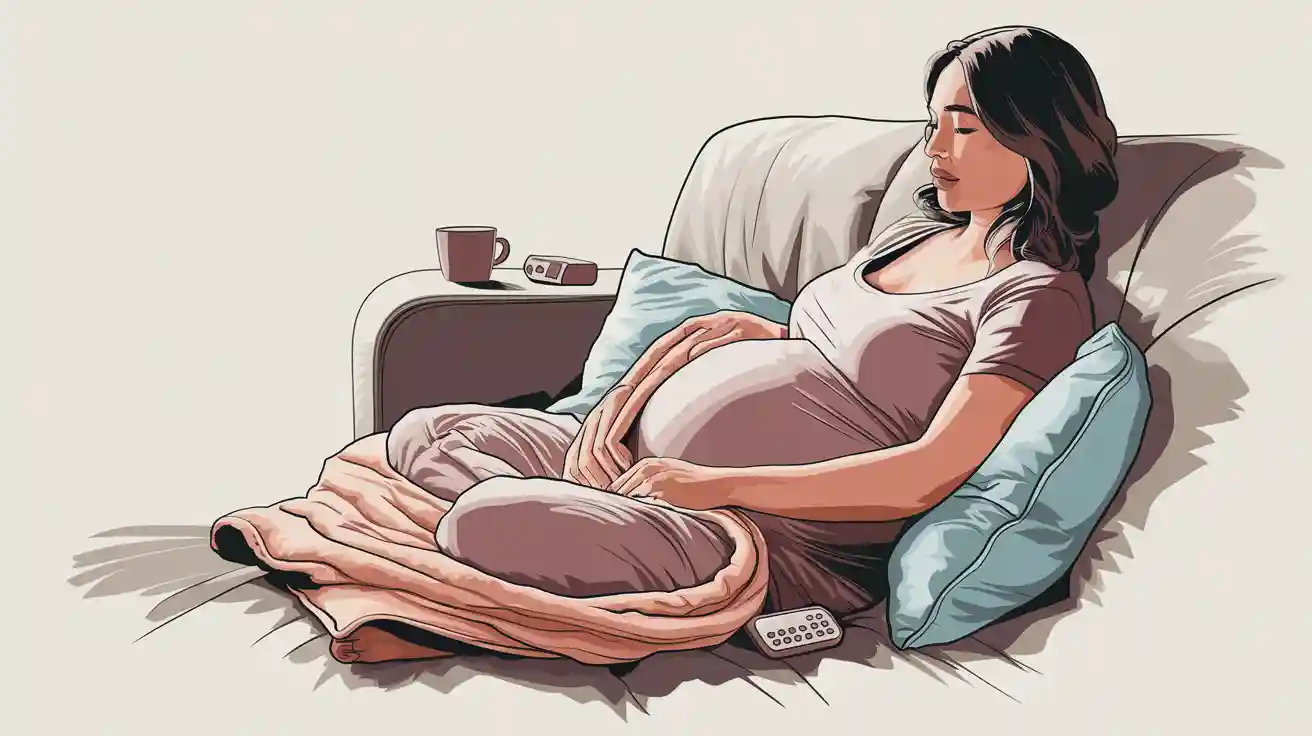
- Avoid placing the heated blanket directly on your belly. Instead, drape it over your legs or shoulders for safer warmth.
- Look for heated blankets with safety features like automatic shut-off and overheat protection to reduce risks.
- Consider non-electric alternatives like natural fiber heated blankets or hot water bottles for warmth without the risks associated with electric heated blankets.
Heated Blanket Safety in Pregnancy

Safe to Use a Heated Blanket
You want to stay warm and comfortable during pregnancy, especially when temperatures drop. Many expectant mothers wonder if it is safe to use a heated blanket. According to leading health organizations, you can use a heated blanket safely if you follow specific safety guidelines. The American College of Obstetricians and Gynecologists and similar authorities state that using electric heated blankets does not significantly raise your core body temperature when used properly. They recommend limiting use to short durations and selecting low temperature settings.
Tip: Always avoid placing a heated blanket directly on your belly. Instead, drape it over your legs or shoulders for gentle warmth.
Here is a summary of key recommendations from medical experts:
|
Recommendation |
Details |
|---|---|
|
Use of Heating Pads |
Generally considered safe if not overheated. |
|
Use of Electric heated blankets |
Safe when used appropriately, unlikely to raise core body temperature. |
|
Caution with Heat Exposure |
Avoid hot tubs and saunas to prevent overheating. |
|
Duration of Use |
Limit to short durations and use on low settings. |
|
Placement |
Avoid placing directly on the belly. |
Recent studies show no significant link between using electric blanketheated blankets during pregnancy and an increased risk of neural tube defects. You can feel confident that, with proper use, electric heated blankets offer a safe way to maintain warmth.
When comparing different types of heated blankets, look for models with advanced temperature control, automatic shut-off, and strong, durable materials. These features help prevent overheating and ensure long-term safety. The table below compares common safety features:
|
Feature |
Basic Electric Blanket |
Advanced Electric heated blanket |
|---|---|---|
|
Adjustable Temperature |
Yes |
Yes |
|
Auto Shut-Off |
No |
Yes |
|
Overheat Protection |
No |
Yes |
|
Material Strength |
Standard |
Reinforced |
Overheating Risks
You must remain aware of the risks associated with overheating. Medical research highlights that pregnant women are more vulnerable to extreme heat. Overheating can lead to complications such as preterm birth, low birthweight, dehydration, and even heat stroke. Health guidelines recommend that your core body temperature should not exceed 102°F (39°C). Prolonged exposure to high temperatures, especially above 102.2°F (39°C), increases the risk of birth defects, particularly in the first trimester.
- Electric heated blankets can be safely used during pregnancy if the temperature setting is not excessively high.
- The recommended temperature should provide comfort without causing burns or raising your body temperature significantly.
- Monitor your body temperature and ensure it remains below 100°F.
- Pregnant women are more susceptible to overheating, so always use the heated blanket on low settings and avoid prolonged use.
Note: If you feel too hot, dizzy, or uncomfortable while using electric blankets, stop immediately and check your temperature.
Using electric heated blankets with built-in safety features, such as automatic shut-off and overheat protection, further reduces the risk of overheating. Always follow the manufacturer's safety guidelines and consult your healthcare provider if you have any concerns.
Risks of Using a Heated Blanket While Pregnant
Early Pregnancy Concerns
You need to understand the potential risks of heat exposure during early pregnancy. The first trimester is a critical period for fetal development. During this time, your baby's organs and neural tube begin to form. Exposure to high temperatures can disrupt these processes and increase the risk of pregnancy complications.
Researchers have studied the effects of various heat sources, including heated blankets, hot tubs, saunas, and fevers. The data show that the risk of neural tube defects (NTDs) varies depending on the heat source:
- Women reporting any heat exposure, including electric blankets, had a crude risk of NTDs of 1.6 (95% CI, 0.9 to 2.9).
- The risk for women using hot tubs was 2.9 (95% CI, 1.4 to 6.3).
- Sauna use carried a risk of 2.6 (95% CI, 0.7 to 10.1).
- Fever exposure resulted in a crude risk of 1.9 (95% CI, 0.8 to 4.1).
- The risk associated with using electric blankets was 1.2 (95% CI, 0.5 to 2.6), which does not show a significant association with increased NTD risk compared to other heat sources.
You can see that the risk from a heated blanket is lower than from hot tubs or saunas. However, you should still avoid overheating, especially in the first trimester. Maternal overheating during this period is linked to congenital heart defects and other complications. Studies have found that exposure to at least 15 hot days (temperatures ≥ 86°F) during weeks 2–8 of pregnancy increases the prevalence of atrial septal defects by 37%. These findings highlight the importance of monitoring your body temperature and limiting exposure to external heat sources.
Note: If you feel unusually warm, dizzy, or notice rapid heartbeat while using a heated blanket, stop use immediately and check your temperature.
Fetal Development Effects
Heat exposure during pregnancy can affect fetal growth and organ development. You should know how external heat sources, such as heated blankets, may impact your baby's health. The first 20 weeks of pregnancy represent a critical window for fetal development. Disruptions during this time can have lasting effects.
|
Key Findings |
Details |
|---|---|
|
Impact of Heat |
Increased ambient temperature during pregnancy is linked to smaller fetal growth measures, especially head size in early to mid-pregnancy. |
|
Critical Exposure Window |
The first 20 weeks are crucial for heat exposure affecting ultrasound biometric parameters. |
|
Long-term Effects |
Disruptions in fetal organ development due to heat exposure can impact brain development and overall health. |
|
Birthweight Association |
Higher temperatures throughout pregnancy correlate with lower birthweight, emphasizing the need for awareness of heat-related risks. |
Maternal hyperthermia, which can result from using a heated blanket, is associated with an increased risk of neural tube defects. Other birth defects linked to hyperthermia include cleft lip, renal agenesis, and limb reduction defects. Elevated core body temperature can occur from heated blankets, saunas, and hot tubs. However, there is no consensus on the exact role of hyperthermia in causing malformations, and research continues in this area.
You should always use a heated blanket with caution. Limit the duration and keep the temperature low to reduce potential risks. If you have a history of pregnancy complications or concerns about fetal development, consult your healthcare provider before you use a heated blanket.
How to Use a Heated Blanket Safely

Temperature Settings
Selecting the right temperature setting is essential when you use a heated blanket during pregnancy. You should always choose the lowest setting that provides comfort. Most experts recommend keeping the temperature below 100°F (38°C) to avoid overheating. Many modern heated blankets offer adjustable controls, so you can fine-tune the warmth to your preference.
Here are some best practices for temperature settings:
- Select a heated blanket with low electromagnetic field (EMF) emissions.
- Use the lowest heat setting that keeps you comfortable.
- Pre-heat your bed for a few minutes, then turn off the v before you get in.
- Consider low-voltage heated mattress pads for added safety.
|
Temperature Setting |
Recommended Use |
Safety Feature |
|---|---|---|
|
Low |
Best for pregnancy |
Reduces overheating risk |
|
Medium |
Short sessions only |
Use with caution |
|
High |
Not recommended |
Increases risk |
Tip: Never leave your heated blanket on overnight. Always turn it off before you fall asleep.
Usage Tips
You can maximize comfort and safety by following these practical safety tips:
- Limit each session to 20 minutes or less. Short sessions help you avoid overheating.
- Place the blanket over your legs or shoulders, not directly on your abdomen.
- Remove the electric blanket from your bed around 36 weeks of pregnancy. This step prevents complications if your water breaks during the night.
- Watch for warning signs such as feeling too hot, dizziness, rapid heartbeat, or sweating. If you notice any of these, stop using the blanket immediately.
- Never use a heated blanket if it shows signs of wear, frayed cords, or malfunctioning controls.
Note: If you feel unsure about using a heated blanket or have a history of pregnancy complications, consult your healthcare provider for personalized advice.
Common Usage Scenario:
You return home on a chilly evening and want to relax. You pre-heat your bed with the heated blanket for 10 minutes on the lowest setting. After turning it off, you settle in for a comfortable, safe night's sleep.
By following these guidelines, you can use a heated blanket safely and enjoy warmth without unnecessary risks.
Alternatives to Heated and Electric Blankets

Non-Electric Options
You have many safe alternatives to heated blankets that provide warmth during pregnancy. Non-electric options offer comfort without the risks associated with overheating or electromagnetic fields. You can choose from a variety of materials and products designed for sensitive skin and optimal insulation.
Natural Fiber Blankets: Cotton, bamboo, and wool blankets help regulate body temperature. These breathable materials reduce the risk of overheating and keep you comfortable throughout the night.
Microfiber Bedding: Hypoallergenic and soft, microfiber bedding delivers warmth without heaviness. You benefit from gentle insulation, which is ideal for sensitive skin during pregnancy.
Hot Water Bottles: You can use a hot water bottle filled with warm (not boiling) water. Wrap it in a soft cover to prevent direct skin contact and enjoy localized warmth.
Microwavable Heating Pads: These pads offer targeted heat. You heat them in the microwave and place them on areas like your back or feet, avoiding prolonged exposure to electricity.
Tip: Layering natural fiber blankets and wearing breathable sleepwear can help you maintain a comfortable temperature all night.
Comparison Table: Non-Electric Blanket Options
|
Product Type |
Material Strength |
Warmth Level |
Safety for Pregnancy |
|---|---|---|---|
|
Natural Fiber Blanket |
High |
Moderate |
Excellent |
|
Microfiber Bedding |
Medium |
Moderate |
Excellent |
|
Hot Water Bottle |
High |
Targeted |
Excellent |
|
Microwavable Heating Pad |
Medium |
Targeted |
Excellent |
Pregnancy-Safe Products
You can find pregnancy-safe products designed to maximize comfort and safety. These options minimize risks and offer practical solutions for warmth during pregnancy.
Low-Voltage Heated Mattress Pads: These pads emit negligible electromagnetic fields. You can use them to pre-warm your bed and turn them off before sleep.
Thermal Curtains: You can install thermal curtains to retain heat in your bedroom, reducing the need for extra blankets.
Breathable Sleepwear: Choose sleepwear made from cotton or bamboo. These fabrics wick moisture and help regulate body temperature.
Layered Bedding: You can layer heated blankets for adjustable warmth. This method allows you to add or remove layers based on your comfort level.
Usage Scenario:
You prepare your bed with a cotton heated blanket and microfiber bedding. You place a microwavable heating pad on your feet for extra warmth. You wear breathable sleepwear and close thermal curtains to keep your room cozy. You sleep comfortably, knowing you have chosen pregnancy-safe products.
Note: You should always check product labels for safety certifications and consult your healthcare provider if you have concerns about warmth during pregnancy.
When to Consult Your Doctor

Warning Signs
You should always monitor your body for unusual symptoms when using a heated blanket during pregnancy. Certain warning signs may indicate a serious problem that requires immediate attention. Recognizing these symptoms helps you protect both your health and your baby's well-being.
If you notice any of the following, stop using the heated blanket and contact your doctor:
Persistent headache or a headache that gets worse
- Dizziness or fainting
- Changes in vision
- Fever
- Trouble breathing
- Chest pain or a fast-beating heart
- Severe belly pain that does not go away
- Severe nausea and vomiting that feels different from morning sickness
- Baby's movements stopping or slowing
- Vaginal bleeding or fluid leaking
- Severe swelling, redness, or pain in your leg
- Extreme swelling of your hands or face
- Overwhelming tiredness
Tip: Trust your instincts. If something feels wrong, reach out to your doctor right away.
Healthcare Guidance
You may wonder why it is important to seek professional advice about heated blanket use during pregnancy. Every pregnancy is unique. Your medical history, current health, and any complications can affect how your body responds to heat. A healthcare professional can evaluate your situation and provide guidance tailored to your needs.
Pregnant women often ask about the safety of heated blankets. Healthcare providers recommend keeping the temperature low and limiting use, especially if you have concerns about overheating. If you have experienced any complications or have specific worries, your doctor can help you make the safest choice.
If you feel unsure or have questions about your comfort and safety, do not hesitate to ask your healthcare professional for advice.
You can use a heated blanket during pregnancy if you follow safety guidelines. Health organizations and healthcare professionals urge caution due to risks of overheating and electromagnetic fields. To stay safe:
- Always use low settings and limit usage time.
- Choose blankets with automatic shut-off features.
- Preheat your bed, then turn the blanket off before sleep.
- Consult your doctor for personalized advice.
- Your comfort and safety matter most. Choose the best option for your needs and enjoy a warm, restful night.
FAQ
Can you use a heated blanket in all trimesters of pregnancy?
You can use a heated blanket in any trimester if you follow safety guidelines. You should always avoid overheating, especially in the first trimester, because your baby's organs develop during this time.
Why should you avoid placing a heated blanket directly on your belly?
Direct heat on your abdomen can raise your core temperature. This may increase risks for your baby, especially during early development. You should place the blanket over your legs or shoulders for safer warmth.
Why do experts recommend low settings for heated blankets during pregnancy?
Low settings help you avoid overheating. High temperatures can affect fetal development and increase the risk of birth defects. You should always choose the lowest comfortable setting and monitor your body temperature.
Why are non-electric blankets considered safer during pregnancy?
Non-electric blankets do not emit electromagnetic fields or cause overheating. You can use them to stay warm without worrying about electrical safety or temperature control. Natural fibers like cotton or wool work best.
What should you do if you feel too hot while using a heated blanket?
You should stop using the blanket immediately if you feel too hot, dizzy, or unwell. Check your temperature and contact your healthcare provider if symptoms persist. Your safety and your baby's health come first.