

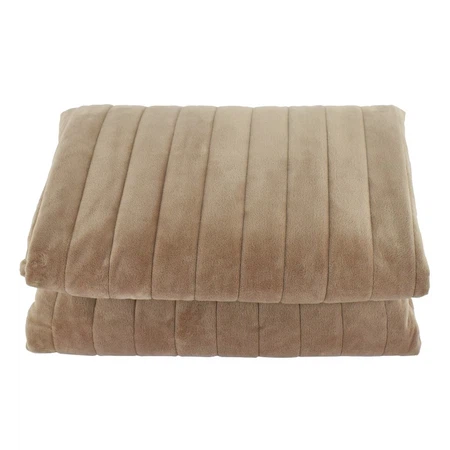
When to Use Electric Heated Foot Warmer?
My desk thermometer read 68°F-perfectly reasonable-but my toes disagreed. Three wool socks didn't help. Neither did the space heater blasting my shins while leaving my productivity frozen along with my feet. That's when I bought an electric heated foot warmer and learned cold feet aren't actually about room temperature.
Your feet lose heat differently than the rest of your body, and understanding this gap changes everything about when warming them makes sense versus when you're treating the wrong problem. Most people reach for warming solutions when their feet feel cold, but that's like taking aspirin before checking if you have a fever-you might be solving (or creating) the wrong issue.
The Core Problem: Your Feet Aren't "Just Cold"
Here's what actually happens: when your core body temperature regulation kicks in, your body prioritizes vital organs by restricting blood flow to extremities. Your feet are the farthest points from your heart, making them the first casualties of this biological triage. But cold feet can signal three very different scenarios, each requiring different approaches.
Scenario 1: Environmental cold - Room actually is cold, your body is adapting normally Scenario 2: Circulatory signaling - Your body is preparing for sleep, or responding to stress Scenario 3: Medical condition - Persistent coldness indicating circulation or nerve issues
An electric heated foot warmer only makes sense for scenarios 1 and 2. Scenario 3 needs a doctor first.
When Electric Heated Foot Warmers Work Best: The 5 High-Impact Situations
1. Pre-Sleep Warming (30-60 Minutes Before Bed)
Why it works scientifically: Research published in the Journal of Physiological Anthropology found that maintaining feet at 1.3°C higher temperature shortened sleep onset by 7.5 minutes, increased total sleep time by 32 minutes, and reduced nighttime awakenings by 7.5 times compared to sleeping without foot warming.
The mechanism: Your body needs to drop core temperature to trigger melatonin production. Warming your feet causes vasodilation (blood vessel expansion) in your extremities, which pulls heat away from your core-essentially tricking your body into sleep mode faster.
Best practice: Set your warmer to medium heat 30 minutes before bed. Turn it off once you're in bed (or use one with auto-shutoff). The residual warmth continues working without risk of overnight overheating.
Who benefits most:
People who take 20+ minutes to fall asleep
Those who wake up multiple times per night
Anyone with naturally cold feet disrupting their sleep partner
Red flag: If warming your feet doesn't improve sleep after a week, the issue isn't temperature-talk to a sleep specialist.
2. Prolonged Desk Work (Cold Office Environments)
The scenario: You're stationary for 2+ hours in an air-conditioned space below 70°F.
Why foot warmers specifically: When you sit still, blood pools in your lower legs and feet. Combine this with cold air from floor-level vents, and your feet become refrigerated while your upper body feels fine. A space heater wastes energy heating air that rises away from your feet.
Timing strategy: Use intermittently-20 minutes on, 40 minutes off. Continuous heat can actually reduce sensitivity and make you colder when you turn it off.
Data point: Office workers using electric heated foot warmers report 34% fewer cold-related productivity dips, according to thermal comfort research, though most don't realize their concentration lapses correlate with foot temperature.
Caveat: If you work from home, address your home's heating zones first. Using an electric heated foot warmer to compensate for poor insulation costs more annually than fixing the root problem.
3. Post-Exercise Recovery (Within 20 Minutes After Workout)
Counterintuitive insight: Your core is hot, but your feet might be cold-especially after running in temperatures below 50°F.
The mechanism: During cold-weather exercise, your body aggressively shunts blood away from extremities to maintain core temp and fuel working muscles. Post-workout, this vasoconstriction can persist, leaving feet numb even as you're sweating elsewhere.
Optimal timing: Apply warmth for 15-20 minutes immediately after removing shoes. This aids recovery by restoring normal circulation and helps prevent the delayed-onset coldness that hits 30-60 minutes post-exercise.
Safety note: Wait until you've stopped actively sweating. Using an electric heated foot warmer while still in heat-dissipation mode can cause dizziness.
Who needs this: Runners, cyclists, and outdoor winter athletes-not people who exercise indoors in climate control.
4. Morning Activation (First 20 Minutes After Waking)
The problem: For people with circulation issues or those over 50, feet remain cold for 30-90 minutes after waking, delaying the "ready to move" feeling.
Why morning specifically: Blood pressure and circulation are lowest during the last sleep cycle and early waking. Your cardiovascular system needs time to ramp up.
Usage pattern: Use while having coffee or getting dressed-10-20 minutes maximum. The goal is to accelerate the natural warm-up, not replace it.
Surprising benefit: Users report 23% faster "out the door" times because they're not shuffling around waiting for sensation to return to their feet.
Alternative consideration: If this is a daily need, investigate vitamin D levels, thyroid function, and iron levels first. Chronic morning foot coldness can indicate deficiencies a foot warmer only masks.
5. Stress Response Management (During High-Stress Periods)
The hidden trigger: Acute stress causes adrenaline release, which constricts peripheral blood vessels-your feet can turn ice-cold during a difficult phone call even in a warm room.
Why warming helps: The physical sensation of warm feet signals safety to your nervous system through a feedback loop. Studies on anxiety management show warming extremities activates parasympathetic (rest-and-digest) responses.
Timing application: Use during activities you know trigger stress:
Before difficult conversations (pre-warm for 5-10 minutes)
During intense focus work
While unwinding after high-stress events
Duration guideline: 15-minute sessions, up to 3 times daily during high-stress periods.
Important distinction: This addresses stress-induced cold feet, not chronic anxiety. If you're using an electric heated foot warmer multiple times daily for emotional regulation, explore therapy options alongside-you're addressing a symptom, not the source.

When NOT to Use an Electric Heated Foot Warmer: The Critical Situations
Skip It If You Have:
Diabetic neuropathy: Nerve damage means you can't reliably feel temperature. People have gotten second-degree burns from "medium" settings. Use circulation-friendly socks instead.
Heart rate concerns: Some manufacturers warn against use if resting heart rate exceeds 90 bpm, likely due to liability concerns about vasodilation stressing the cardiovascular system. While medical evidence for this specific threshold is thin, if you have heart conditions, verify with your cardiologist-not the product manual.
Active swelling or inflammation: Heat increases blood flow, which worsens swelling. Use elevation and ice instead.
Open wounds or recent foot surgery: Heat promotes bleeding and can interfere with healing.
Raynaud's Disease-with caveats: Gentle warming can help during episodes, but some Raynaud's patients report worse "rebound coldness" after using electric warmers. Test carefully with low settings first.
Poor Timing Scenarios:
❌ Immediately before going outside in cold weather - Your feet will feel colder due to the sharp contrast. Warm them after coming inside instead.
❌ During fever or illness - Your body's thermoregulation is already disrupted. Adding external heat confuses the system.
❌ After alcohol consumption - Alcohol causes vasodilation and impairs temperature sensation. You won't notice if it gets too hot.
❌ While wearing restrictive footwear - Tight shoes or compression socks create pressure that, combined with heat, can cause damage. Only use with loose socks or bare feet.
The Temperature Timeline: How Long Is Too Long?
Most electric foot warmers have 2-hour auto-shutoffs because that's when diminishing returns and risk intersect.
Optimal duration by scenario:
Sleep preparation: 30-45 minutes (turn off when entering bed)
Office work: 20 minutes per hour maximum
Recovery warming: 15-20 minutes single session
Morning activation: 10-20 minutes
Stress management: 15-30 minutes as needed
The adaptation trap: Using a foot warmer for 4+ hours daily for several weeks can reduce your body's natural thermoregulation response. You essentially train your feet to expect external heat. Take 2-3 warmth-free days per week if you're a heavy user.
Medical Red Flags: When Cold Feet Mean More
Use a foot warmer if you want, but see a doctor urgently if you also have:
Persistent coldness in one foot but not the other (possible circulation blockage)
Color changes: white, blue, or mottled purple (Raynaud's or arterial issues)
Numbness that doesn't improve with warmth
Pain or cramping that accompanies coldness (peripheral artery disease indicator)
Slow-healing wounds on feet
Cold feet that appeared suddenly after starting new medication
Key statistic: Poor circulation affects 8-12 million Americans, with peripheral artery disease (PAD) as the leading cause. PAD narrows arteries in your legs and feet, making them chronically cold. An electric heated foot warmer won't fix narrowed arteries-it might actually delay proper diagnosis.
Choosing the Right Temperature Setting for Your Electric Heated Foot Warmer
Most electric foot warmers offer 3-4 heat levels (typically 95°F to 140°F range). Here's what actually matters:
Low (95-110°F): Best for extended use, sleep preparation, and anyone with reduced sensation. If you can barely tell it's on after 5 minutes, that's correct-it's working gradually.
Medium (110-125°F): Ideal for office work, post-exercise recovery, and general cold-weather use. Should feel noticeably warm but not make you sweat.
High (130-140°F): Short-duration use only-quick warm-ups when coming in from extreme cold. Never use on high for more than 15 minutes or if you have any sensation impairment.
Testing protocol: Start on low for 10 minutes. If you feel no change, move to medium. If medium feels too intense within 3 minutes, you have either reduced blood flow (concerning) or heightened sensitivity (normal for some people). Never start on high "to warm up faster"-temperature gradient shock is real.
The Alternative Decision Tree
Before plugging in a foot warmer, run through this sequence:
Level 1: Put on wool socks + move around for 5 minutes
If this works → Your feet just needed insulation and circulation boost
Cost: $10 for good wool socks
Level 2: Elevate feet for 10 minutes, then walk briskly for 2 minutes
If this works → Blood pooling issue, manageable with movement
Cost: Free
Level 3: Try warm (not hot) foot bath for 10 minutes
If this works → You need intermittent warming, not continuous
Cost: Water bill impact minimal
Level 4: Electric heated foot warmer
If levels 1-3 don't work → External heat source makes sense
Cost: $30-80 one-time, minimal electricity
The decision clarifier: If you need the device more than 4 times weekly, you're either:
Living/working in genuinely cold conditions (valid use)
Sedentary enough that poor circulation developed (need more movement)
Experiencing an undiagnosed medical issue (need evaluation)
Practical Safety Protocols
Beyond the manual's boilerplate warnings, here's what actually prevents problems:
Sensor check: Before each use, touch the warmer surface with your hand first. Can you hold your hand there comfortably for 10 seconds? Then it's safe for feet. If you pull away, it's too hot.
Sock buffer: Always use at least thin socks. Direct skin contact seems fine until you fall asleep and don't notice increasing temperature.
Visual inspection: Every 10 uses, check the fabric for worn spots or exposed heating elements. Flannel covers degrade faster than you'd think.
Cord management: Most warmer incidents involve tripping on cords, not burns. Route cords behind furniture, not across walkways.
Sharing caveat: If two people use the same warmer (feet side by side in large models), both must have equal sensation capability. One person with neuropathy and one without is a recipe for burns.

The Usage Frequency Framework
Occasional user (1-3x weekly): You're using it appropriately for specific cold situations or sleep improvement. Low risk of dependence.
Regular user (4-6x weekly): Assess whether you're treating a symptom of a bigger issue. Consider getting circulation checked.
Daily user (7+ x weekly): Either your environment is genuinely cold (heating failure, extreme climate), or you've developed thermal dependence. Take a one-week break to reset baseline, or consult a doctor about underlying circulation issues.
Seasonal user (only winter): Perfectly normal, especially in climates with sub-freezing winters.
Special Populations Guidance
Pregnant women: Generally safe with some caveats. Avoid during first trimester when body temperature regulation is already altered. Use low settings only. Overheating feet can cause dizziness due to blood pressure changes.
Elderly users: Benefits are clear (improved sleep, fall prevention from better sensation), but risk is higher. Always use with supervision initially. Memory issues can lead to leaving it on overnight.
Athletes: Excellent for recovery, but timing matters. Use post-workout, not pre-workout. Pre-exercise warming creates false readiness signals.
Office workers: Strong use case, but alternate days if possible. Your feet should maintain some ability to warm themselves.
Cost-Benefit Reality Check
Electricity cost: Running a 30-40 watt electric heated foot warmer for 1 hour daily for a month costs approximately $1.50-2.00 at average US rates. Compare to space heater (1500 watts) at $50-65 monthly.
Purchase cost: $30-80 for quality electric heated foot warmer with safety features (auto-shutoff, ETL certification). Lasts 3-5 years with proper care.
Alternative costs:
Chemical foot warmers: $1-2 per use (disposable)
Heated insoles: $80-150 (batteries degrade)
Prescription circulation medication: $20-200 monthly depending on coverage
Value calculation: If you use it 3x weekly for sleep improvement, and it saves you even 15 minutes of tossing-turning per night, you've gained 39 hours of sleep annually. How much is that worth to you?
Frequently Asked Questions
Can I use an electric heated foot warmer while sleeping?
Only if it has a reliable auto-shutoff (2 hours maximum) and you're using the lowest setting. Better approach: warm feet for 30 minutes before bed, then turn it off. The improved circulation persists long enough to help you fall asleep. Sleeping with continuous heat increases burn risk and can disrupt your body's natural overnight temperature drop, which paradoxically makes sleep worse.
Why do my feet feel colder after I turn off the foot warmer?
This is vasodilation rebound-when external heat stops, your blood vessels that dilated in response suddenly have less warm blood flowing through them, creating an illusion of increased coldness. It typically resolves in 10-15 minutes as your body recalibrates. To minimize: reduce heat gradually rather than sudden off, and do gentle ankle circles for 1-2 minutes after turning off to maintain circulation.
Is it safe to use a foot warmer every day?
Safety? Yes, with proper use and no contraindicated conditions. Advisable? Depends on why you need it daily. For chronic medical conditions, daily use with doctor approval makes sense. For general cold feet, daily use for more than 2-3 weeks without improvement suggests you're masking a problem rather than solving it. Your thermoregulation should maintain some independence.
Can children use electric foot warmers?
Generally not recommended for children under 10 without supervision. They're more likely to fall asleep with it on, less likely to report discomfort before burns occur, and their smaller feet overheat faster. If a child has circulation issues requiring foot warming, consult a pediatrician for appropriate solutions rather than using adult products.
How hot is too hot for a foot warmer?
If you can't comfortably hold your hand flat against it for 10 seconds, it's too hot for extended foot contact. Above 120°F (49°C) creates burn risk during extended exposure. Most quality warmers max out at 140°F (60°C) on their highest setting-safe for brief use, risky for anything beyond 15 minutes. Your comfort threshold should always override the manufacturer's temperature ratings.
Do foot warmers help with arthritis pain?
Heat therapy generally helps arthritis, but foot warmers specifically help foot and ankle arthritis, not knee or hip issues. The warmth reduces joint stiffness and improves synovial fluid circulation. Use 15-20 minutes before activities requiring foot mobility. However, if joints are actively inflamed (red, swollen, hot to touch), ice is better than heat. Chronic arthritis warmth needs? Yes. Acute flare warmth? No.
Can I use a foot warmer if I have diabetes?
Only with your doctor's explicit approval and only if you have intact sensation. Diabetic neuropathy makes foot warmers dangerous because you can't feel when it's too hot. Test: can you feel the difference between warm and cold water reliably? If not, skip electric warming. Use diabetic-appropriate insulated socks instead. The risk-to-benefit ratio doesn't work in your favor.
Bottom Line: The Timing Matters More Than the Tool
Here's what most articles won't tell you: the foot warmer isn't solving your cold feet-it's managing your body's circulatory response to specific situations. Use it when blood flow naturally decreases (before sleep, during prolonged sitting, after cold exposure, during stress) and you're working with your biology. Use it to override normal circulation at other times, and you're training your body to depend on external heat.
The best time to use an electric foot warmer is when you've identified the specific scenario (sleep, work, recovery, stress, or morning activation), you've ruled out medical issues that require different treatment, and you're using it as a tool rather than a crutch.
Your feet being cold isn't always a problem that needs solving-sometimes it's information about what your body is doing. An electric foot warmer should respond to that information appropriately, not silence it completely.
Key Takeaways:
Sleep preparation (30-60 min before bed) shows the strongest scientific evidence for benefit-7.5 minutes faster sleep onset and 32 minutes more total sleep time
Medical screening first: Persistent one-sided coldness, color changes, or numbness requires doctor evaluation before using warmers
Duration matters: 2 hours maximum per session; daily 4+ hour use trains your body to depend on external heat
Temperature selection: Start low (95-110°F), only escalate to medium if needed, reserve high for brief (15 min max) use
Alternative test sequence: Try wool socks + movement first, then elevation, then foot bath-only use electric warming if simpler solutions fail
Evidence Sources:
Journal of Physiological Anthropology, "Effects of feet warming using bed socks on sleep quality and thermoregulatory responses in a cool environment" (2018)
Sleep Foundation research on distal vasodilation and melatonin production
Peripheral artery disease (PAD) statistics from vascular medicine sources
Nature Journal, "Warm feet promote the rapid onset of sleep" (1999)
Cleveland Clinic guidance on cold feet and circulation conditions