

Taking the production of the NTT-60/220 electric blanket as an example, the following outlines each manufacturing step.
1. Blanket Fabric Cutting
Lay high-quality cotton insulation with a thickness of 3–5 mm evenly on the cutting platform to form sheets measuring 760 × 1500 mm. Ensure even and straight layering, with skew not exceeding 3° and dimensional deviation not exceeding 3%.
Modern electric blankets come in various fabric types to suit different preferences. Popular options include soft microplush electric blankets, luxurious plush electric blankets, and cozy flannel electric blankets, each requiring precise cutting to maintain fabric integrity and dimensional accuracy.

2. Heating Wire Cutting
Select qualified plastic-coated heating wire. For a 60-watt requirement using 0.2 mm core wire diameter, cut 23 meters of wire. Verify resistance using an ohmmeter; it should be 806 ± 8 ohms.
3. Electric Heating Wire Placement
Evenly thread the prepared heating wire into the channel between the top fabric and backing material, or thread it onto a core material with a pitch of approximately 30–40 cm. Ensure the wire is not pulled excessively tight. This prevents tension from acting on the heating wire itself when the blanket is subjected to user pulling force, instead transferring the load to the outer materials.
This step is critical for all blanket types, whether producing a sherpa electric heated blanket with its distinctive two-sided texture or a faux fur electric blanket with its plush pile surface. Proper wire placement ensures even heat distribution and prevents hot spots.
4. Cutting the Blanket Base Fabric
Cut a 1640 cm long base fabric strip from high-quality cotton-polyester blend fabric (yellow, 0.9 m). Ensure straightness with no skew exceeding 3° and dimensional deviation not exceeding 3%.
5. Machine Sewing the Perimeter
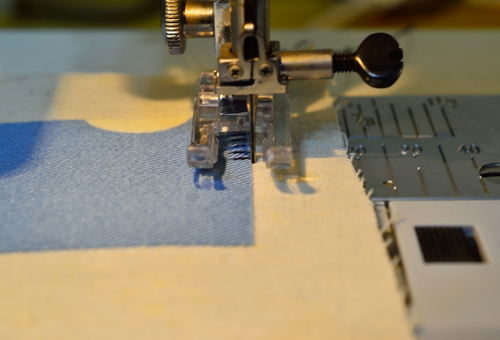
Sew the blanket fabric with the pre-sewn heating wires to the blanket base fabric along all four edges using a sewing machine. Ensure the wires are fully enclosed inside. Machine stitch with a pitch of 3–5 cm, leaving no gaps. Note: Sew the "label" at the corner of the seam surface. Do not sew the ends where the heating wires exit.
6. Joint Sealing and Encapsulation
Arc-weld the nickel-chromium core wires of the heating element to the copper core wires of the switch power supply. Insert each into a dedicated "joint box," then fully encapsulate with 80°C hot melt adhesive in two layers. After the adhesive cures, sew the joint box securely to the blanket surface. Finally, sew the entire blanket surface to the base fabric.
7. Quality Inspection
Conduct item-by-item checks according to factory inspection criteria and document results.

8. Packaging
Fold qualified products and place them in a plastic carry bag along with the instruction manual, certificate of conformity, and warranty card. Arrange by quantity into shipping cartons, seal, and pack.
FAQ
Q: How do you properly care for an electric blanket?
A: Clean regularly: Follow manufacturer instructions, usually machine wash on gentle with mild detergent. Dry safely: Air dry or tumble dry on low heat. Never wring out. Store properly: Fold neatly in a cool, dry place. Avoid heavy objects on top. Check regularly: Inspect power cords and connections for wear and tear.
Q: How do I fix an electric blanket if it's not working?
A: Check the power: Make sure it's plugged in and the switch is on.
Inspect the controller and wiring: Ensure secure connections and no damage to wires.
Reset the blanket: Unplug for 10 minutes, then plug it back in.
Professional help: If still not working, contact customer service or a repair expert.
Q: Can I use an electric blanket on my bed with a memory foam mattress?
A: Yes, you can use an electric blanket with a memory foam mattress. Just:
Use low heat settings to avoid overheating.
Place the blanket under a top cover to prevent direct contact with the foam.
Consider a heated mattress pad for better heat distribution.
Q: Can you use an electric blanket for pets?
A: Yes, but ensure it's pet-safe:
Supervised use: Never leave your pet unattended.
Low heat: Use low settings to avoid overheating.
Check for safety: Ensure cords are secure and chew-proof if possible.