

Foot warmer- Safety Tips, Power Choices, and Care
Using a foot warmer safely means you need to be careful. First, check if it is too tight. Use a fabric cover to protect your skin. Look for any damage before using it. Watch the heat level so it does not get too hot. Keep the foot warmer away from water.
UL and NSF certifications show the product is safe for businesses.
Think about the price, buying in large amounts, and help after buying for your business.
Sensitive users-children, diabetics, or elderly individuals-have higher risks. They may not notice burns or overheating. Their inflammation can get worse. Always watch them when they use it. Ask a doctor for advice if you are not sure.

Key Takeaways
- Always put a fabric cover on your foot warmer. This helps protect your skin from burns.
- Check your foot warmer for damage before you use it. This helps stop electrical dangers.
- Only use your foot warmer for 20 to 30 minutes at a time. This keeps you from getting too hot or hurting your skin.
- Watch people who are sensitive when they use a foot warmer. They may not feel heat or pain right away.
- Pick electric foot warmers that have safety certifications. These are safer and work well.
- Think about the power source you want. Electric models let you change the heat. Microwaveable types are simple to use.
- Keep your foot warmers in a cool, dry place. This helps them last longer and keeps them from getting damaged.
- Check cords and plugs often to make sure they are safe. This helps stop electrical problems.
Foot warmer safety
General guidelines
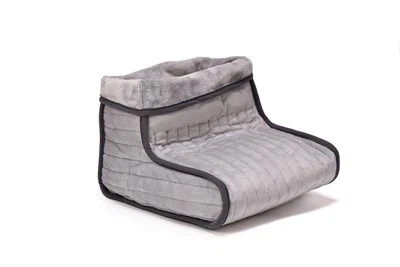
You should follow safety rules every time you use a foot warmer. These rules help you stay safe from burns and skin problems. Health experts suggest some steps to protect you:
- Use a fabric cover so your skin does not touch the heat.
- Check your foot warmer for damage before you use it.
- Read and follow the manufacturer's instructions.
- Watch the heat level and look at your skin for redness.
- Only use your foot warmer for 20–30 minutes at a time.
- Put your foot warmer in a cool, dry place when you are done.
Tip: Always watch children, older people, or people with diabetes when they use a foot warmer. They may not feel heat or pain as fast as others.
Prevent overheating
Keep an eye on the temperature. Too much heat can hurt your skin. Set the heat to low or medium. Check your feet every few minutes. Stop using the foot warmer if you feel pain. Do not fall asleep while using it.
Avoid restricted circulation
Make sure your foot warmer is not too tight. Tight covers can slow blood flow. Bad circulation can cause injuries. Pick a model with straps you can adjust or one that is roomy. Move your feet often to help blood flow.
Electric foot warmer precautions
Electric foot warmers heat up quickly but need extra care. Check the cords and plugs before you use them. Look for wires that are broken or plugs that are bent. Broken parts can cause shocks or fires.
Inspect cords and plugs
Look at the power cord and plug for damage. If you see any problems, do not use the foot warmer. Get new parts or ask the maker for help.
Prevent water exposure
Keep your electric foot warmer away from water. Water can break the heating part and cause shocks. Do not use it near sinks or in wet places. Unplug it before you clean it.
Non-electric foot warmer precautions
Non-electric foot warmers, like microwaveable or chemical ones, need their own safety steps. Always use a fabric cover to stop burns. Test the heat before you put your feet inside.
Use fabric covers
A good cover keeps your feet warm and spreads heat. It also stops your skin from touching hot parts. Change old covers when needed.
Follow manufacturer instructions
Read and follow all instructions from the maker. Each foot warmer may have different ways to heat or fill. Using it right helps you stay safe and makes your foot warmer last longer.
Warning signs
Discomfort or damage
It is important to know warning signs when using a foot warmer. These signs help you stay safe and healthy. If you see any of these, stop using the foot warmer right away:
- Redness or blisters: Your skin can turn red or get blisters. These are early signs of burns.
- Numbness or tingling: If your feet feel numb or tingle, the heat might be too strong or the foot warmer could be too tight.
- Pain or discomfort: Any pain means the temperature is not safe. Take your feet out and check the foot warmer.
- Unusual odor or smoke: If you smell burning or see smoke, unplug the foot warmer. This could mean there is a fire risk.
- Visible damage: Cracks, tears, or wires that you can see show the foot warmer is not safe.
Note: Sensitive users like children, diabetics, or older people may not feel pain quickly. You should check their skin often and watch them while they use it.
|
Warning Sign |
What It Means |
What You Should Do |
|---|---|---|
|
Redness or blisters |
Possible burn |
Stop use, cool skin |
|
Numbness/tingling |
Poor circulation |
Remove device, move feet |
|
Pain/discomfort |
Unsafe temperature |
Stop use, check settings |
|
Odor/smoke |
Fire risk |
Unplug, inspect device |
|
Visible damage |
Device unsafe |
Replace or repair device |
You keep yourself and others safe by acting fast. Businesses should teach workers to spot these signs. Quick action stops injuries and lowers risk. Always check your foot warmer before you use it. If you see any warning signs, do not ignore them.
Foot warmer power options

Picking the right power option matters for comfort and safety. It also affects how much you spend. You can pick electric, microwaveable, or chemical types. Each type works in its own way. They have different features and technical details. Think about power ratings, how long they last, and what they are made of before you choose.
Electric models
Electric foot warmers use heating elements to keep your feet warm. You can get plug-in or battery-operated models.
Plug-in
Plug-in electric foot warmers need a wall outlet. They give steady heat and let you change the temperature. Most plug-in models use 30–60 watts of power. They last about 2–5 years if you use them often. Plug-in models have safety certifications like IEC 60335 and IEEE standards.
Advantages:
Heat stays steady
Works for a long time
You can pick heat levels
Disadvantages:
You cannot move far from the outlet
Damaged cords can be dangerous
Battery-operated
Battery-operated electric foot warmers are easy to carry. You do not need a wall outlet to use them. Most use rechargeable lithium-ion batteries. They use 10–20 watts of power. The battery lasts 2–6 hours per charge. Battery models follow IEC 62133 safety rules.
Advantages:
Easy to carry anywhere
Good for travel and outside
Disadvantages:
Heat does not last long
Batteries need charging and replacing
Tip: Always look for UL or IEC certification when you buy electric foot warmers. Certified products are safer.
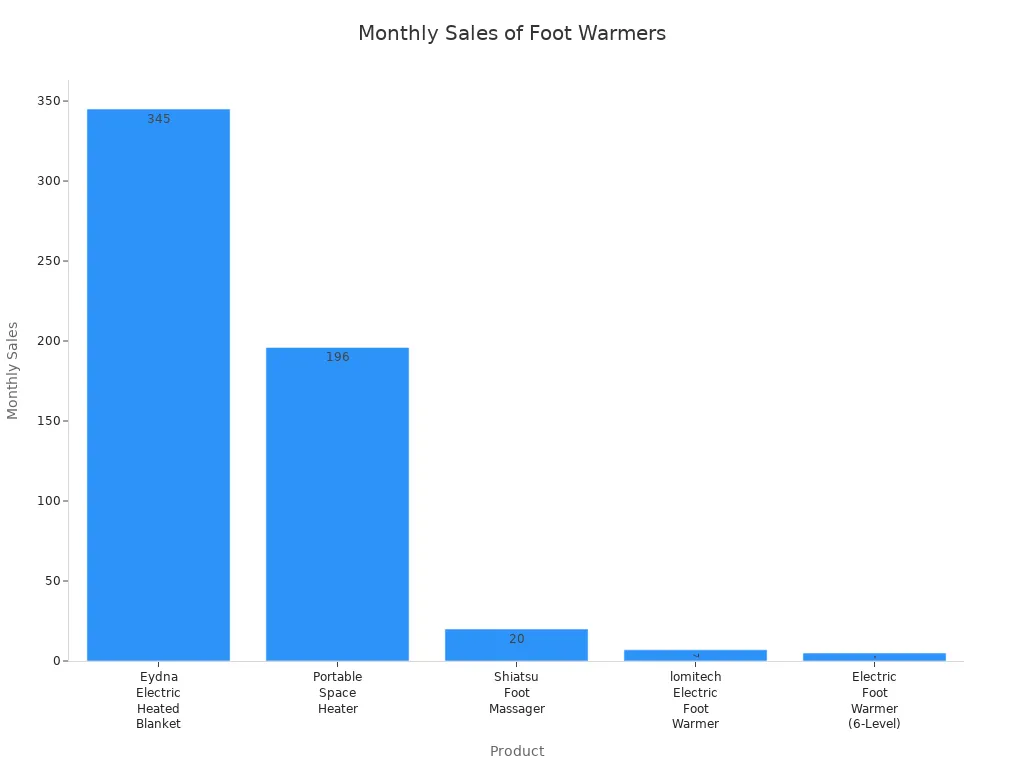
Popular Electric Foot Warmers:
|
Product |
Retail Price |
Avg. Rating |
Monthly Sales |
|---|---|---|---|
|
Eydna Electric Heated Blanket |
$51.67 |
4.2★ |
345 |
|
Portable Space Heater |
$18.72 |
4.3★ |
196 |
|
Shiatsu Foot Massager |
$79.96 |
4.2★ |
20 |
|
lomitech Electric Foot Warmer |
$27.59 |
4.1★ |
7 |
|
Electric Foot Warmer (6-Level) |
$28.81 |
4.5★ |
5 |
Microwaveable types
Microwaveable foot warmers use things like flaxseed, rice, or gel beads. You heat them in a microwave for 1–3 minutes. The material soaks up heat and lets it out slowly for 30–60 minutes. You do not need electricity or batteries. Most last for 1–2 years if you use them often.
Heating process
Put the foot warmer in the microwave. Set the timer as the instructions say. After heating, check if it is too hot. The cover should be cotton or fleece for comfort and safety. IEC 60335 rules are used for microwaveable heating products.
Advantages:
No cords or batteries needed
Easy to use
Safe for most people
Disadvantages:
Heat does not last long
Can get too hot if microwaved too long
Note: Always follow heating instructions. Too much heat can hurt you or break the product.
Chemical types
Chemical foot warmers make heat by mixing chemicals. You start them by shaking, pressing, or snapping a metal disc inside. The reaction makes heat for 4–8 hours. Most use iron powder, salt, and activated carbon. These are single-use and you throw them away after.
Activation and disposal
Start the foot warmer as the package says. Throw it in the trash after you use it. Some chemical warmers follow ASTM and IEC safety rules.
Advantages:
Heat starts right away
Light and easy to carry
No need for cords or batteries
Disadvantages:
You can only use it once
Makes more trash
You cannot change the heat
|
Type |
Power Source |
Lifespan |
Safety Standard |
Cost Range |
|---|---|---|---|---|
|
Plug-in Electric |
AC Outlet |
2–5 years |
IEC, IEEE, UL |
$25–$80 |
|
Battery Electric |
Rechargeable |
1–3 years |
IEC, UL |
$30–$90 |
|
Microwaveable |
Microwave Oven |
1–2 years |
IEC |
$15–$40 |
|
Chemical |
Exothermic |
Single-use |
ASTM, IEC |
$2–$10/unit |
Tip: Plug-in electric models are best for businesses. They last longer and cost less to run.
Pros and cons
Cost and convenience
Foot warmers have different prices and ways to use them. Electric ones cost more at first, but you can use them for years. Microwaveable types are not too expensive and are simple to use. Chemical warmers are the cheapest if you buy many, but you can only use each one once.
Here is a table that shows how much bulk buyers pay:
|
Product Name (Supplier) |
Min MOQ |
Price Range (Unit) |
Key Attributes |
|---|---|---|---|
|
Portable Office/Home Thermal Equipment (Shenzhen Kangcheng Century) |
3 pieces |
$13.00 - $20.50 |
Reusable, washable, tiered pricing |
|
OEM Factory Deep Heat Plaster (Henan Kangzhimei) |
100 packs |
$0.10 - $0.34 |
Disposable, air-activated |
|
Portable Pocket Heater (Shenzhen Enimei Tech) |
1 piece |
$26.99 |
Reusable, magnetic |
|
Electric Hot Stone Heater Warmer (Shenzhen Hugeworth) |
1 piece |
$118 - $149 |
Professional, digital temp control |
|
Disposable Instant Hot Pack (Henan Kangdi Medical) |
100,000 bags |
$0.10 |
Disposable, very low unit cost at high volume |
|
Ultra-Soft Microplush Electric Heat Pad (Hebei Ruisite) |
100 pieces |
$6.00 - $7.80 |
Auto shut-off, washable |
|
Custom Moist Heat Pack (Quzhou Zhikang Household) |
5 pieces |
$5.70 - $7.70 |
Microwavable, reusable |
|
Rechargeable Hand Warmer (Shaanxi Jiuyuan Fenghua) |
10 sets |
$0.85 - $6.10 |
Rechargeable, significant bulk discount |
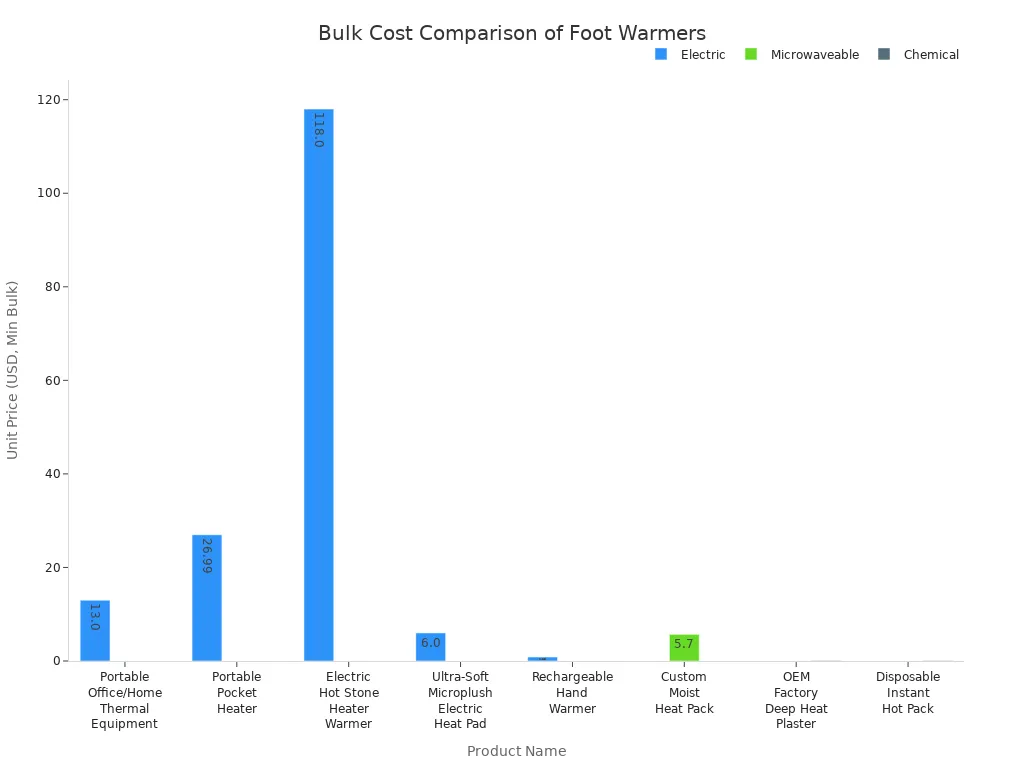
Electric foot warmers cost more at first, but you can use them again and change the heat.
Microwaveable foot warmers are not too expensive, easy to use, and you can reuse them.
Chemical foot warmers are the cheapest for each one, good for one-time use, but make more trash.
Tip: If you own a business, you save money by picking reusable models for long-term use. Disposable chemical warmers are best for events or emergencies.
Safety and environment
Safety is very important for all foot warmers. Electric models can get too hot or break, especially if the battery does not work. Microwaveable types can burn you if they get too hot. Chemical warmers can catch fire or leak, which can hurt your skin.
Doctors have helped people with bad burns from heated insoles. There have been at least 11 cases with fires, explosions, or heat injuries. Some people needed surgery or skin grafts. Battery-powered models can be extra risky because lithium-ion batteries might explode even when off.
|
Incident Type |
Description |
|---|---|
|
Burn Injuries |
11+ reports of fires, explosions, or thermal incidents, 8 with burn injuries |
|
Battery Malfunction |
Lithium-ion batteries can explode and ignite, causing severe burns |
Electric foot warmers can cause fires, shocks, or battery explosions. Always check cords and batteries before you use them.
Microwaveable foot warmers can burn you if they get too hot. Always follow the heating directions.
Chemical foot warmers can burn or irritate your skin. Throw away used packs the right way.
Electric and microwaveable models last longer and make less trash. Chemical warmers make more garbage and may not break down in nature.
Note: You keep people and nature safe by picking certified products and following safety rules. Teach workers to spot warning signs and act fast.
Choosing the right foot warmer

Business needs
When picking a foot warmer for your business, think about a few things. You want products that follow safety rules and work well. Telecom operators, EPCs, and distributors often buy in bulk. They need steady supplies. Pick models that fit your setup and match your SKUs.
Bulk procurement
Buying many at once saves money. Suppliers give discounts for big orders. Check how long delivery takes so you do not wait too long. Fast shipping and flexible order sizes help you keep enough stock and meet demand.
Certification
Pick foot warmers with the right certifications. UL, IEC, and NSF marks mean the products are safe and save energy. Certified models help you follow industry rules and lower risks. Ask for samples and check supplier quality before you buy.
Tip: Always ask for certification papers and warranty details before buying in bulk.
Key factors for commercial buyers include:
Technical specs: wattage, voltage, adjustable thermostats, heating element type, and size.
Compliance: electrical safety marks and energy savings.
Performance: heat-up speed, top temperature, heat spread, energy use, noise, and lifespan.
Cost-efficiency: total cost, bulk discounts, strength, and energy savings.
Quality assurance: supplier checks, samples, and customer reviews.
Integration: fits with desk heights, outlet spots, and storage.
After-sales support: warranty, spare parts, and tech help.
Application scenarios
Hospitality
Hotels and resorts use foot warmers to make guests comfortable. You can put them in rooms, lounges, or spas. Models with adjustable heat and washable covers are best for busy places. Quick setup and easy cleaning help your staff save time.
Healthcare
Hospitals and clinics use foot warmers to help patients. You need products with strong safety marks and surfaces that are easy to clean. Electric models with auto shut-off keep sensitive users safe. Pick units that fit under beds or chairs and can be used often.
Comparison
Electric vs. non-electric
You should compare electric and non-electric foot warmers to find what works best for your business. Electric models let you change the heat and have safety marks. Non-electric types cost less and are simple to use.
|
Type |
Safety Features |
Cost (USD) |
Notable Attributes |
|---|---|---|---|
|
Electric |
Adjustable heat, safety certifications |
$7.20 - $48 |
Energy efficient, multi-functional |
|
Non-Electric |
Disposable, self-heating |
$0.04 - $0.12 |
Ultra-low cost, easy to use |
Electric foot warmers are good for long-term use and give better control. Non-electric ones are best for short-term needs or emergencies. Pick the type that fits your needs and budget.
Foot warmer care

Cleaning
Electric models
You must clean electric models the right way. Always unplug the power cord before you clean. Most brands let you wash the heating pad by hand or in a machine. The heating wires can get wet, but do not put the control unit or plug in water. After washing, lay the pad flat on a rack to dry. Never iron or use a dryer, because high heat can ruin the wires.
Steps for cleaning electric foot warmers:
Unplug the device before you wash it.
Take off the cover if you can.
Wash the pad gently by hand or machine.
Lay it flat on a rack to dry.
Do not iron or use a dryer.
Tip: Always read the care label for special instructions from the maker.
Non-electric models
Non-electric foot warmers include microwaveable and chemical types. For microwaveable models, clean the outside with a damp cloth or gentle hand-wash. Keep the filling dry unless the label says you can wash it. Chemical warmers do not need cleaning. Just throw them away after you use them.
Best practices for non-electric models:
Clean microwaveable covers with mild soap and water.
Do not soak the inside filling unless the label says it is okay.
Throw away chemical warmers after they cool down.
Storage
Dry and safe location
Storing your foot warmer the right way keeps it safe and helps it last longer. Always put your device in a cool, dry place. Stay away from heat and humidity, which can hurt the materials or cause mold. Keep foot warmers in their original box to stop chemical types from starting by accident.
Storage checklist:
Store in a cool, dry spot.
Keep away from sunlight and heat.
Use the original box if you can.
Make sure the device is dry before you store it.
Lifespan
Maintenance routines
Taking care of your foot warmer helps it work longer. Each type needs its own routine. For electric models, charge them fully before you use them and store in a dry place. For reusable chemical warmers, reset them by boiling in water for 5–10 minutes after they cool. Let them cool all the way before you put them away. Disposable warmers should be checked for expiration dates and thrown out after use.
|
Type of Foot Warmer |
Maintenance Routine |
|---|---|
|
Electric Warmers |
Charge fully before use; store in a cool, dry spot |
|
Reusable Warmers |
Boil for 5–10 minutes after cooling; let cool before storing |
|
Disposable Warmers |
Check expiration date; throw away in regular trash after use |
Note: Doing these routines helps you get the most safety and value from your foot warmer.
Troubleshooting
When you use a foot warmer, you want it to work well. Sometimes, things go wrong. Troubleshooting helps you find out what is wrong. Fixing problems quickly keeps your device safe. It also helps it last longer. Here are some common problems and ways to fix them.
Power issues
Power problems can make your foot warmer stop working. You need to know what causes these problems. You also need to know how to fix them.
Common causes of power issues:
Loose or broken power cords
Bad wall outlets or batteries
Blown fuses or tripped circuit breakers
Old or damaged inside wires
Steps to troubleshoot power issues:
Make sure the device is plugged in all the way.
Look at the power cord for cuts or broken spots.
Try another wall outlet to see if it works.
For battery models, check if the battery is charged and put in right.
Look at the lights. If they do not turn on, the device may need fixing.
Change blown fuses or reset circuit breakers if you need to.
Tip: Always unplug the device before you look at or fix any electrical parts. If you see smoke or smell burning, stop using the device right away.
Table: Power Issue Checklist
|
Problem |
Possible Cause |
Solution |
|---|---|---|
|
No power |
Unplugged, dead fuse |
Plug in, replace fuse |
|
Flickering power |
Loose cord, bad outlet |
Secure cord, try new outlet |
|
Battery not charging |
Old battery, bad charger |
Replace battery or charger |
|
Device shuts off early |
Overheating, timer |
Let cool, check timer settings |
Heating inconsistencies
Sometimes, your foot warmer does not heat evenly. It may not get warm enough. Knowing why this happens helps you fix it fast.
Why heating inconsistencies occur:
Heating parts are not placed evenly
Air vents are blocked or covers are dirty
Heating pads are old or worn out
Settings are wrong or thermostats do not work
How to address heating inconsistencies:
Make sure the heating pad is flat and not bent.
Clean the cover and vents so air can move.
Check the settings and change the temperature if needed.
For electric models, test the thermostat by changing the settings.
Get a new heating pad if you feel cold spots or uneven heat.
If you use your foot warmer for work, checking it often helps stop problems. It also keeps people comfortable.
Quick Troubleshooting List:
Feel for cold spots after five minutes.
Listen for strange sounds from the device.
Smell for burning odors.
Watch for error codes on digital models.
If you cannot fix the problem, call the maker or a trained technician. Good troubleshooting keeps your device safe and helps it last longer.
Business considerations
When you pick foot warmers for your business, you want to get the most value. You need to think about how much you pay at first, what you spend later, and what you get in the long run. Good foot warmers help you avoid problems and save money on repairs. This keeps your work going without stops.

Cost and ROI
Bulk pricing
Buying lots of foot warmers at once makes each one cheaper. Suppliers give bigger discounts if you buy more. You should look at prices from different brands and models to find the best deal.
|
Model |
MOQ |
Unit Price (USD) |
Bulk Discount (%) |
|---|---|---|---|
|
Ergonomic Foot Warmer |
50 |
$18.00 |
15 |
|
Reusable Heated Socks |
100 |
$7.50 |
20 |
|
Disposable Chemical Warmer |
500 |
$0.12 |
30 |
Tip: If you buy more at once, you save more money on each item.
Energy efficiency
Foot warmers that use less energy help you spend less on bills. You also help the environment by using less power. Top brands make foot warmers that use low wattage and let you change the heat.
Ergonomic Foot Warmer by Cozy Products uses only 90 watts.
You can adjust the heat to save energy.
Reusable socks have a 3/5 eco rating, which means they save some energy.
Pick foot warmers that are proven to use less energy so you save money over time.
Quality and certification
Standards
Quality rules keep your business and customers safe. Certified foot warmers pass tough safety and performance checks.
BIS Certification means the product passed safety and performance tests.
Regional footwear standards make sure the foot warmer lasts and is safe to use.
Always ask for proof of certification before you buy.
Warranty
A good warranty lowers your risk and saves you money on repairs. Companies that give long warranties trust their products. Look for warranties that cover electrical problems, heating issues, and broken materials.
|
Brand |
Warranty Length |
Coverage Details |
|---|---|---|
|
Cozy Products |
2 years |
Electrical, heating, fabric |
|
WarmTech |
1 year |
Heating element only |
|
HeatEase |
6 months |
Material defects |
Note: Longer warranties help you avoid surprise costs and keep your business running.
Supply chain
Delivery times
Quick and steady delivery helps your business stay on track. Ask suppliers how long shipping takes and if they deliver on time. Late deliveries can mess up your plans and cost you more.
Customization
Custom foot warmers help you meet special needs for your business. You can ask for covers with your logo, different sizes, or special heat settings. These options help match the product to your brand and make customers happy.
Covers with your business name for hotels or clinics
Heat settings you can change for different places
Sizes made for special uses
Talk about custom options early so you do not have to wait longer.
Picking certified, energy-saving foot warmers with good warranties and fast delivery helps you get the most value and spend less on repairs. Making smart choices helps your business do well for a long time.
You keep your business and customers safe by picking certified foot warmers. Good models give safe heat, are easy to clean, and save energy. You make things safer and more comfortable by checking devices and following care steps. If you buy in bulk, HotHands® Adhesive Foot Warmers are a smart choice. They use natural stuff and keep feet warm all day without batteries. Some trusted brands are Outdoor Research, Under Armour, DSG Outerwear, Marmot, Stormr Foul Weather Gear, and Helly Hansen. Think about what you need, ask for product demos, and talk to suppliers to get the best deal for your business.
FAQ
Why should you choose certified foot warmers for your business?
Certified foot warmers follow strict safety and quality rules. They help keep your staff and customers safe. You also follow the law and protect your business name. This lowers your risk if something goes wrong.
Why do electric foot warmers need regular inspection?
Checking cords and plugs often helps stop electrical problems. Broken parts can shock you or make the device too hot. Regular checks keep the foot warmer safe and help it last longer.
Why is energy efficiency important for foot warmers in bulk procurement?
Energy-saving foot warmers use less electricity. This helps you spend less money on power bills. Using less energy is good for the planet and helps your business save more.
Why should sensitive users avoid high heat settings?
Sensitive users, like kids or people with diabetes, may not feel heat fast. High heat can burn their skin or cause harm. Use low heat and watch them to keep them safe.
Why do non-electric foot warmers require fabric covers?
Fabric covers stop your skin from touching hot parts. This helps prevent burns and keeps your feet safe. Covers also spread the heat so your feet feel more comfortable.
Why is proper storage crucial for foot warmers?
Storing foot warmers the right way keeps them dry and safe. This stops mold and damage. Good storage also keeps them from turning on by accident and helps them last longer.
Why should you consider after-sales support when buying foot warmers?
After-sales support gives you help if something breaks or does not work. You can get repairs or new parts. Good support means you do not have to wait long for help.
Why do businesses prefer reusable foot warmers over disposable ones?
Reusable foot warmers save money over time and make less trash. You do not have to buy new ones often. They are better for the environment and work well for people who use them a lot.