

Foot Warming Pad for Bed: How to Choose Wattage, Settings, and Certifications
You want a foot warming pad for bed that feels good and is safe. The most important things to look at are wattage, settings, and certifications. Your choice depends on what you need. Some people want help with cold feet. Others need support for health problems. Many people use warming pads for anemia, peripheral artery disease, and poor circulation. Adjustable heat and safety features help you sleep better and save energy.

Key Takeaways
- Wattage shows how fast and how warm your pad gets. Pick a pad with wattage that fits what you like.
- Find pads with adjustable heat settings. More settings let you change warmth for seasons or your needs.
- Safety certifications like UL and ETL mean your pad is safe. Always look for these marks before you buy.
- Auto shut-off stops the pad from getting too hot. This keeps you safe at night and saves energy.
- Think about the size of the pad. It should fit your bed and cover your feet well for comfort.
- Clean and store your pad the right way to make it last longer. Follow what the maker says for best care.
- Get a new pad every five years or if it looks worn out. This keeps you safe and makes sure it works well.
- A foot warming pad can help you sleep better. It helps you relax and fall asleep faster.
Wattage

What Is Wattage
Wattage measures how much electrical power a device uses. For a foot warming pad for bed, wattage tells you how much heat the pad can produce. Higher wattage means the pad can get warmer and heat up faster. The size of the pad affects the wattage needed. Larger pads need more power to reach and keep a comfortable temperature, such as 102°F. You should always check that the pad matches your home's voltage and uses a safe heating element.
Tip: Never use an extension cord with a heated pad. This can cause safety problems.
Wattage affects:
How quickly the pad heats up
How warm the pad gets
The safety of the device
Ideal Wattage Range
Most foot warming pads for bed use between 40 and 100 watts. This range gives enough heat for comfort without using too much electricity. Smaller pads may use less power, while larger pads need more. Many brands design their pads to meet safety standards like UL or CE. These certifications show that the pad has passed important safety tests.
|
Pad Size |
Typical Wattage |
Recommended Use |
|---|---|---|
|
Small (12x15 in) |
30-50 W |
Single feet, compact |
|
Medium (18x24 in) |
50-70 W |
Both feet, moderate |
|
Large (18x36 in) |
70-100 W |
Two feet, extra space |
Always choose a pad with a wattage that matches your comfort needs and the size of your bed.
Energy Efficiency
A foot warming pad for bed uses much less energy than other heating devices. For example, electric floor heating can use about 12 watts per square foot, which adds up quickly in a large room. In contrast, a typical foot warming pad uses only a small amount of power per hour. This makes it a smart choice if you want to save on energy bills.
Energy-saving tips:
Use the lowest heat setting that keeps you comfortable.
Turn off the pad when not in use.
Look for pads with auto shut-off features.
Certified pads follow strict electrical safety rules, such as those from IEC or IEEE. This helps protect you from overheating or electrical problems.
A foot warming pad for bed gives you targeted warmth, uses less energy, and keeps you safe when you choose the right wattage.
Settings

Temperature Levels
You can control how warm your feet get at night. Adjustable temperature levels help you pick the heat you like best. Most foot warming pads for bed have 10 to 12 heat settings. This gives you many choices for warmth. You can pick gentle heat or more heat on cold nights. Some pads have a pre-heat function. This warms your bed before you get in. You do not have to wait to feel cozy. Premium models use extra fill and soft materials. These make the pad feel even more comfortable.
|
Feature |
Description |
|---|---|
|
Common Heat Settings |
10–12 settings for personalized warmth adjustments |
|
Pre-heat Function |
Warms the bed before use, prevents overheating |
|
Comfort Features |
Soft fill and plush materials for added comfort |
Tip: Pick a pad with many heat settings. This helps you change the warmth for different seasons or health needs.
Timers and Auto Shut-Off
Safety is important when you use heated products. Timers and auto shut-off features keep you safe and save energy. Many pads have an auto-off function. It turns off if the temperature gets too high, like above 149°F (65°C). This keeps you safe while you sleep. Some pads let you set a timer from 1 to 12 hours. The pad turns off after the time you choose. These features help you save electricity and lower your bills.
Auto shut-off stops the pad from getting too hot.
Timers let you pick how long the pad stays on.
Saving energy helps you spend less money.
Note: Always look for auto shut-off and timer features before you buy. These make your pad safer and help you use less energy.
Ease of Use
You want a foot warming pad for bed that is easy to use. Good pads have wireless remotes. You can change the heat without getting out of bed. Controls should be simple and easy to understand. Some pads hide cords under the fitted sheet. This keeps your bed looking neat. Long power cords help you reach outlets without moving furniture. Quick heating wire grids warm up fast and keep the heat steady. Soft covers, like micro plush flannel, make the pad nice to touch.
|
Feature |
Description |
|---|---|
|
Wireless Remote |
Adjust settings easily from anywhere in bed |
|
Hidden Cords |
Keeps your bed tidy and organized |
|
Quick Heating |
Fast heat-up and longer heat retention |
|
Long Power Cord |
Easy access to outlets, stays hidden |
|
Comfort Material |
Soft flannel cover for a cozy feel |
😊 Choose pads with easy controls and comfort features. This makes your bedtime simple and relaxing.
Certifications

Safety Marks
When you pick a foot warming pad for bed, check for safety marks. These marks mean the product follows strict safety rules. The most important certifications are UL and ETL. Both UL and ETL test products for electrical safety and fire resistance. You can trust these marks because they show the pad passed hard tests and regular checks. Some pads also meet international standards like IEC, which adds more safety.
Common Safety Certifications:
UL (Underwriters Laboratories): Tests for electrical safety and fire resistance.
ETL (Intertek): Checks for compliance with North American safety standards.
CE (Conformité Européenne): Shows the product meets European safety rules.
IEC: Sets global standards for electrical safety.
Look for these marks on the label or in the manual before you buy.
Why Certifications Matter
Certifications keep you and your family safe. They show the pad will not overheat or catch fire when used right. UL and ETL certifications mean the pad passed tests for safe heating wires, flame resistance, and sealed electrical parts. These marks also mean the maker does regular checks to keep up with safety rules. When you see these certifications, you know the pad is safe and reliable for nightly use.
Picking a certified pad lowers your risk of accidents and helps you feel safe.
Extra Safety Features
You should look for built-in safety features too. These features give more protection and make the pad safer every night. Many top brands add advanced thermostat controls, flame-retardant materials, and sealed wiring. The table below lists some important safety features to check:
|
Safety Feature |
Description |
|---|---|
|
UL Certification |
Makes sure the product meets safety standards for heated bedding. |
|
Testing for Heating Wires |
Checks that inner heating wires do not get damaged during normal use. |
|
Water Sealing |
Keeps electrical parts safe when washing. |
|
Flame Resistance |
Outer material slows burning if there is a fire. |
|
Overheat Protection |
Advanced thermostats stop the pad from getting too hot. |
Tip: Always read the manual to learn about these safety features and how to use them.
A certified foot warming pad for bed with extra safety features helps you stay warm and safe every night.
Choosing a Foot Warming Pad for Bed
Size and Placement
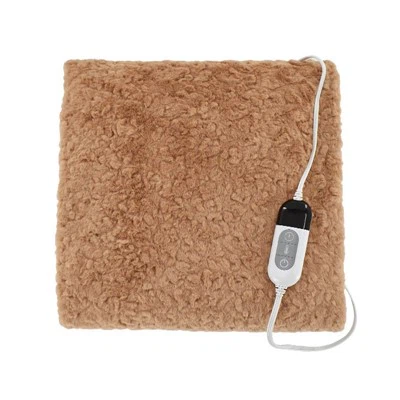
Picking the right size foot warming pad is important. The size decides how much heat you get. It also helps the pad fit your bed well. Pads come in small, medium, and large sizes. Small pads are good for one person or a small bed. Medium pads fit most twin or full beds. Large pads, like 18x36 inches, work for queen or king beds. They give enough space for two people.
|
Pad Size |
Dimensions |
Best For |
Placement Options |
|---|---|---|---|
|
Small |
12x15 inches |
Single user, small beds |
Under sheet, at foot |
|
Medium |
18x24 inches |
Twin/full beds |
Under fitted sheet, base |
|
Large |
18x36 inches |
Queen/king beds, couples |
Across bed base, under sheet |
You can put the pad under the fitted sheet or at the bed's base. Under the sheet, the pad stays in place and spreads heat better. If you want heat just for your feet, put it at the foot of the bed. Always read the instructions for safe use.
Tip: Measure your bed before buying. Make sure the pad covers where your feet go.
Health and Comfort Needs
A foot warming pad does more than keep you warm. It can help with health problems and make you feel better. Many people with cold feet, arthritis, or poor blood flow use these pads.
It helps blood move better and can stop numbness and pain.
It can ease arthritis and pain by giving steady warmth to joints and muscles.
Warm feet help your body get ready for sleep, so you fall asleep faster and sleep deeper.
People with Raynaud's syndrome can use the pad to stop their feet from getting cold or numb.
The gentle heat can help you relax and lower stress.
Think about your health before using a heated pad. Some health problems need extra care.
- Dermatitis: Heat can make skin problems worse.
- Diabetes: Heat may dry you out and change blood sugar.
- Deep vein thrombosis: Heat can make swelling and pain worse, and may move clots.
- Chronic heart failure: Heat can make heart problems worse.
- Peripheral vascular disease: Heat may make symptoms worse.
- Open wounds: Heat can cause more bleeding.
- Severe memory problems: You might forget to use the pad safely.
Note: If you have any of these health issues, ask your doctor before using a heated pad.
Price and Value
You want a pad that fits your budget and lasts a long time. Most foot warming pads cost between $79.99 and $84.99. Pads in this range usually have adjustable heat, soft covers, remotes, and auto shut-off. More expensive pads may have more heat levels, better materials, and longer warranties.
|
Product Name |
Price |
Features |
Value Highlights |
|---|---|---|---|
|
Spot Warm Foot of the Bed Warmer (Queen) |
$79.99 |
Adjustable heat, plush cover, remote, auto-off |
Comfort, safety, convenience |
|
Spotwarm Electric Foot of The Bed Warmer |
$79.99 |
6 heat settings, plush cover, remote, auto-off |
Reliable warmth, easy controls |
Compare the features and materials before you buy. Pads with more settings and softer covers last longer and feel nicer. Look for pads with safety marks and certifications. These pads are safer and give you more value.
😊 Buying a good pad keeps you warm, helps you sleep, and keeps you safe.
Comparison Checklist
When you pick a foot warming pad for bed, it helps to compare features. You want to see things like wattage, settings, and certifications quickly. This checklist makes it easier to choose the right and safe pad for you.

Wattage
Wattage shows how much power the pad uses and how hot it gets. Pads with more wattage heat up faster and get warmer. Always check the wattage and top temperature before buying. The table below compares two popular pads:
|
Product Name |
Power (W) |
Max Temperature (°F) |
Timer Settings |
Overheat Protection |
|---|---|---|---|---|
|
VEVOR Electric Heated Foot Warmer |
50 |
105/112/119/126/133/140 |
30/60/90/120 Minutes |
Yes |
|
Battle Creek Bed Warmer Model 458 |
N/A |
100-130 |
N/A |
N/A |
Tip: Pick a pad with wattage that fits your comfort and bed size. Make sure the model shows its power and temperature range.
Settings
Settings let you control how you use your foot warming pad for bed. You want pads with different heat and timer options. The best pads have:
More than one heat setting for comfort
Adjustable temperature ranges (some go from 55–110°F)
Timer functions that turn off the pad to save energy
Look for pads with simple controls, wireless remotes, and fast heating. Timers help you save power and stop the pad from getting too hot.
Note: More settings give you better control and safety. Choose pads with at least three heat levels and a timer.
Certifications
Certifications show your foot warming pad for bed is safe to use. Always check for these marks:
|
Certification |
What It Means |
|---|---|
|
UL |
Tested for electrical and fire safety |
|
ETL |
Meets North American safety standards |
|
CE |
Complies with European regulations |
|
IEC |
Follows global electrical standards |
Pads with these marks help protect you from electrical dangers and overheating. Also look for extra safety features like flame-retardant covers and sealed wires.
Safety first: Always pick pads with UL or ETL marks. Certified pads last longer and keep you safer.
Quick Reference Checklist
✅ Wattage fits your comfort and bed size
✅ At least three heat settings
✅ Adjustable temperature range
✅ Timer and auto shut-off
✅ UL, ETL, or CE certification
✅ Overheat protection
✅ Soft and strong cover material
✅ Easy controls
Use this checklist to compare foot warming pads for bed. It helps you find the best pad for warmth, safety, and value.
Care and Maintenance
Proper care and maintenance of your foot warming pad for bed ensures safety, comfort, and long-term value. You protect your investment and reduce risks by following the right steps. Here's why you should pay attention to cleaning, storage, and replacement.

Cleaning
You need to clean your foot warming pad regularly to keep it safe and working well. Dirt and spills can damage the heating wires or fabric. Clean pads also prevent odors and skin irritation.
Follow these steps for safe and effective cleaning:
- Unplug and Disconnect: Always unplug the pad and disconnect all cables before cleaning. This step prevents electric shock or fire hazards.
- Check Manufacturer's Instructions: Read the care label or manual. Each pad may have different cleaning rules.
- Spot Clean Stains: Use lukewarm water and a mild detergent to gently clean stains. Avoid soaking the pad unless the instructions allow it.
- Hand Wash or Machine Wash: If the manufacturer says it's safe, you can hand wash or use a gentle machine cycle.
- Use Mild Detergent: Choose a gentle liquid detergent. Never use bleach or harsh chemicals.
- Rinse Thoroughly: Make sure you rinse out all soap to avoid residue.
- Drain and Squeeze: Gently squeeze out water. Do not wring or twist the pad, as this can damage the wires.
- Dry Properly: Follow the drying instructions. Air-dry flat or use a low-heat tumble dryer if allowed.
Tip: Never plug in or use the pad until it is completely dry. Wet pads can cause electric shock or short circuits.
Storage
Storing your foot warming pad the right way keeps it in good shape and ready for next use. You avoid wire damage and fabric wear by following these steps:
Let the pad cool down and dry fully before storing.
Roll or fold the pad loosely. Avoid sharp bends or tight folds that can break the heating wires.
Store the pad in a clean, dry place away from direct sunlight, moisture, or heavy objects.
Keep the power cord untangled and avoid wrapping it tightly around the pad.
Note: Use the original storage bag or box if possible. This protects the pad from dust and damage.
When to Replace
Even with good care, foot warming pads do not last forever. Knowing when to replace your pad keeps you safe and comfortable.
Look for these signs:
The pad does not heat evenly or takes longer to warm up.
You see frayed wires, worn fabric, or exposed heating elements.
The controls or display stop working.
You notice a burning smell or unusual noises during use.
The pad is more than five years old, even if it looks fine.
|
Sign of Wear |
What It Means |
Action Needed |
|---|---|---|
|
Uneven heating |
Possible wire damage |
Replace pad |
|
Frayed wires/fabric |
Safety risk |
Replace pad |
|
Malfunctioning controls |
Electrical issue |
Replace pad |
|
Burning smell/noises |
Overheating or short circuit |
Stop use, replace |
|
Over 5 years old |
Outdated safety features |
Replace pad |
😊 Replacing your pad at the right time protects you from accidents and ensures you always enjoy safe, soothing warmth.
Picking a foot warming pad for bed helps you stay safe and cozy. Look at wattage, settings, and certifications before you buy. Use the checklist to compare pads and find what works best for you. Experts say you should pick a pad with safety marks and heat you can change. Pads with low voltages and fast heating are safer. If you want to sleep better or stop cold feet and pain, check the main points again before shopping.
Low voltages and safety marks protect you.
Changeable heat and quick warming make you comfortable.
Steady warmth helps you relax and sleep well.
"Warming your feet before bed can help you fall asleep faster and enjoy deeper rest."
FAQ
Why should you choose a foot warming pad with adjustable heat settings?
Adjustable heat settings let you control your comfort. You can pick the right warmth for your needs. This feature helps you avoid overheating and saves energy.
Why do safety certifications matter for foot warming pads?
Safety certifications show that the pad meets strict safety standards. You lower your risk of electrical hazards and fire when you pick a certified product.
Why is auto shut-off important in a foot warming pad for bed?
Auto shut-off protects you from overheating. It turns the pad off after a set time. This feature keeps you safe while you sleep and helps save electricity.
Why does pad size affect your comfort and safety?
The right size covers your feet and fits your bed. A pad that is too small may not keep you warm. A pad that is too large may bunch up and cause discomfort.
Why should you avoid using an extension cord with a heated pad?
Extension cords can overheat and cause fire risks. Plug your foot warming pad directly into a wall outlet for the safest use.
Why do you need to replace your foot warming pad after several years?
Older pads may have worn wires or outdated safety features. Replacing your pad every five years helps you stay safe and ensures reliable warmth.
Why is it important to follow the manufacturer's cleaning instructions?
Proper cleaning keeps your pad working well and prevents damage. Following the instructions helps you avoid harming the heating wires or fabric.
Why can a foot warming pad help with sleep quality?
Warm feet signal your body to relax. This helps you fall asleep faster and enjoy deeper rest. Using a pad can improve your overall sleep experience.