
Heating Element for Electric Blanket: Types, Materials, and Safety Features Explained
A heating element in an electric blanket makes heat from electricity. You should think about the type and quality of heating elements when picking products for your business. The right heating element lowers risks like burns, getting too hot, and fire dangers, especially for people who need extra care. New designs have better safety features to keep people safe, but older models often do not have these. If you focus on safety, efficiency, and comfort, you make products more reliable and users happier.
Key Takeaways
- Heating elements change electricity into heat. They are very important for electric blankets.
- Pick heating elements with safety features like overheat protection. This helps stop burns and fires.
- Wire heating elements are used a lot. But they can cost more and work less well than carbon fiber ones.
- Carbon fiber heating elements get hot fast and spread heat evenly. They give comfort and save energy.
- Polymer PTC heating elements control their own temperature. This makes them good for safety in sensitive places.
- Choose certified heating elements to make sure they are safe and work well. This helps customers trust the product.
- Custom heating elements can fit special market needs. They also help make a brand stand out.
- Watch for new trends like smart controls and eco-friendly materials. These can help bring in new customers.
Heating Element Basics
What Is a Heating Element?
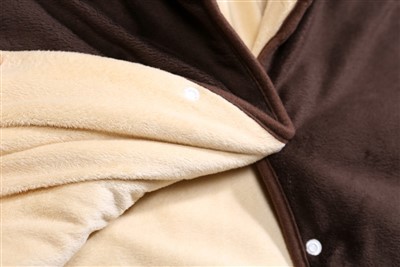
The heating element gives warmth in every electric blanket. It is made from materials that let electricity flow and materials that stop it. Manufacturers build it to turn electrical energy into heat energy. This happens through resistive heating. The heating element has a frame of insulating material and lead connectors. This setup helps the blanket work safely and well. Knowing this helps you pick good and safe electric blankets for your business.
How Heating Elements Work in Electric Blankets
- Heating elements make and spread heat in the blanket. Here is how it works:
- Conductive wires are covered for safety and run through the blanket. They make heat quickly.
- When you plug in the blanket, electricity moves through the wires. The wires resist the flow and get hot.
- The heat moves to the fabric by conduction. Then, it spreads to the air by convection.
- This system lets the whole blanket get warm. The design stops hot spots and gives even comfort.
Tip: Even heat spread makes users more comfortable. It also lowers the chance of overheating. This is important for B2B buyers who care about safety and trust.
Main Components of Electric Blankets
You should know the main parts that help the blanket heat safely and well. The table below shows these parts and what they do:
|
Component |
Description |
|---|---|
|
Heating Elements |
Thin, bendable wires or carbon fiber elements that make heat when electricity goes through them. |
|
Control Mechanism |
A unit that lets you change the temperature, connected to the blanket with a cord. |
|
Safety Features |
Has thermostats and other parts to stop overheating and keep users safe. |
Each part works with the heating element for best results:
Electricity goes through the heating elements when you turn on the blanket.
The wires resist the flow and make heat (Joule heating).
The way the wires are set up spreads heat evenly. This stops hot spots and keeps users safe.
The heating element is the most important part of the electric blanket. The control mechanism and safety features help it work well. This makes the blanket safe and reliable for users and business buyers.
Types of Heating Elements

Wire Heating Elements
Wire heating elements are the most used in electric blankets. These are made from special metals like nichrome or stainless steel. They work by turning electricity into heat, called Joule heating. When you turn on the blanket, electricity goes through the wire. The wire resists the flow and gets hot. This heat warms up the blanket. The amount of heat depends on what the wire is made of, how thick it is, and how long it is.
Key materials used in wire heating elements:
Nichrome alloy: Has high resistance and does not rust easily, so it works well at high temperatures.
Stainless steel: Is strong and does not rust, which is good for wet places.
Design factors that affect performance:
Thinner wires have more resistance and make more heat.
Longer wires also have more resistance and give off more heat.
You need to balance these things so the blanket does not get ruined.
Note: How the wire heating element is made affects how safe, efficient, and long-lasting the blanket is.
|
Advantages |
Disadvantages |
|---|---|
|
High temperature strength is higher than that of iron chromium aluminum. |
Price is several times higher than that of iron chromium aluminum due to scarce nickel materials. |
|
Not easy to deform under high temperature use. |
Usage temperature is lower than that of iron chromium aluminum. |
|
Structure is not easy to change. |
|
|
Good plasticity and easy to repair. |
|
|
High radiation rate. |
|
|
Non-magnetic and strong corrosion resistance. |
|
|
Long service life. |
Wire heating elements work in many types of electric blankets. These include underblankets, overblankets, and throws. They last a long time and are dependable. But they cost more and cannot handle very high heat, so think about this for big projects.
Carbon Fiber Heating Elements
Carbon fiber heating elements work differently. When you add electricity, the carbon fibers get hot because they resist the flow. These fibers heat up fast because they move heat well. The blanket gets warm all over, which feels nice and keeps you safe.
Unique properties of carbon fiber heating elements:
- Heats up quickly and uses energy well.
- The even structure gives steady warmth.
- Light and bendy, so they fit odd shapes.
- Does not rust or break down, so it lasts longer.
- Saves energy and uses less power.
Additional benefits:
- Carbon fiber blankets can use over 50% less electricity than wire blankets.
- They give off far infrared rays, which may help blood flow and body health.
- People say these blankets feel better and do not cause dry skin or trouble sleeping.
Carbon fiber heating elements are also good for the planet. They help clean the air inside, remove smells, and kill germs. They can take away moisture and lower electromagnetic fields, which makes them safer.
|
Benefits of Carbon Fiber Heating Elements |
Drawbacks of Carbon Fiber Heating Elements |
|---|---|
|
Rapid temperature rise and high efficiency (over 99%) |
Higher cost compared to traditional materials |
|
High far-infrared radiation beneficial to health |
Susceptibility to mechanical damage |
|
Good antioxidant performance, durable |
Complex manufacturing process leading to higher processing costs |
|
Stable resistance value and uniform heating |
Limited applications due to cost issues |
You should pick carbon fiber heating elements for high-end electric blankets. They are best when you want to save energy and help users stay healthy. But they cost more and are harder to make, so they may not work for cheaper products.
Polymer PTC Heating Elements
Polymer PTC heating elements are a newer kind of technology. These use special ink printed on a plastic base. When you turn on the power, the ink heats up by itself. The PTC material controls its own temperature, so it never gets too hot.
How polymer PTC heating elements work:
- The ink on the plastic heats up when you plug it in.
- When it gets to a certain temperature, the resistance goes up fast. This stops too much current and keeps it from overheating.
- This makes the blanket heat up quickly, safely, and evenly.
Key advantages:
- Safer because it controls the temperature by itself.
- Changes electricity to heat very well.
- Spreads heat evenly across the whole blanket.
- Polymer PTC heating elements are great when safety and saving energy matter most. You can use them in blankets for kids, older people, or in hospitals, where getting too hot is dangerous.
Tip: If you want fewer repairs and returns, use polymer PTC heating elements in your next product.
Comparison of Heating Element Types
Picking the right heating element is important. It affects how safe, comfy, and valuable your electric blanket is. Each type-wire, carbon fiber, and polymer PTC-has its own good and bad points. You should look at each one closely. This helps you find what fits your product and what your customers want.
Key Differences at a Glance
|
Feature |
Wire Heating Elements |
Carbon Fiber Heating Elements |
Polymer PTC Heating Elements |
|---|---|---|---|
|
Material |
Nichrome, stainless steel |
Carbon fiber |
Conductive polymer (PTC ink) |
|
Cost |
Moderate |
High |
Moderate to high |
|
Durability |
Good, may corrode over time |
Excellent, corrosion-resistant |
Excellent, self-regulating |
|
Heating Speed |
Moderate |
Fast |
Fast |
|
Heat Distribution |
Even, but can form hot spots |
Very even, no hot spots |
Very even, self-limiting |
|
Energy Efficiency |
Good |
Excellent |
Excellent |
|
Safety |
Needs extra protection |
Naturally safer, low EMF |
Self-regulating, very safe |
|
Flexibility |
Moderate |
High, very flexible |
High, thin and flexible |
|
Best Applications |
Underblankets, throws |
Overblankets, premium throws |
Medical, children's, senior care |
|
Maintenance |
May need checks for breaks |
Low maintenance |
Very low maintenance |
Application Scenarios
You can pick the best heating element for each blanket type:
- Underblankets: Wire heating elements are good for steady heat from below. They fit well inside underblankets.
- Overblankets: Carbon fiber heating elements give soft, even heat from above. They are bendy and soft, so they are great for overblankets and for cuddling.
- Throws and Quilts: Both wire and carbon fiber work here. Carbon fiber makes the blanket feel lighter and fancier.
- Duvets: Polymer PTC heating elements give safe, even warmth. These are best for kids, older people, or medical blankets, where too much heat is risky.
Tip: If you want less fixing and fewer returns, pick carbon fiber or polymer PTC heating elements. They last longer and break less often.
What Should You Consider?
Think about these things when you compare heating element types:
- Product Positioning: Fancy products do better with carbon fiber or polymer PTC. Cheaper ones usually use wire elements.
- User Safety: Polymer PTC is safest because it controls its own heat. Carbon fiber is also safe and has low electromagnetic fields.
- Energy Costs: Carbon fiber and polymer PTC use less power. This can help your customers save money.
- Lifespan and ROI: Heating elements that last longer mean you replace them less. This gives your business a better return on investment.
This comparison helps you choose wisely. The right heating element lets you make electric blankets that are safe, work well, and make buyers happy.
Materials Used in Heating Elements

Copper Wires
Copper wires are used a lot in electric blankets. Copper lets electricity move through it very easily. This helps the blanket heat up fast and spread warmth everywhere. Copper wires are strong and bend without snapping. They last a long time. Copper is good for carrying electricity and is also flexible.
|
Property Type |
Description |
|---|---|
|
Electrical Conductivity |
Copper wires let electricity flow well and make heat fast. |
|
Thermal Conductivity |
Copper spreads heat across the blanket quickly and evenly. |
|
Mechanical Properties |
Copper wires are tough and bendy, so they last and do not break easily. |
Note: Copper wires are great for quick, even heating and need little fixing. But copper can rust if it is not covered well.
Alloy Wires (Nickel-Chromium)
Nickel-chromium, called nichrome, is also used in heating elements. Nichrome has more resistance than copper. This means it can get hotter without melting or losing its shape. Nichrome does not rust much, so it works well in wet places. You see nichrome in blankets that need steady and safe heat.
|
Material |
Resistivity (Ω·m ×10^-8) |
Temperature Coefficient (per °C) |
Notes on Operating Temperature and Application |
|---|---|---|---|
|
Copper |
1.724 |
3.93×10^-3 |
Lowest resistivity; high conductivity needs |
|
Nichrome |
100 – 150 |
0.40×10^-3 |
Moderate resistivity; used for resistance heating |
Nichrome wires let you control the heat better. They do not rust, so they last longer. If you want a heating element that works in many places and lasts, nichrome is a good pick.
Carbon Fiber Materials
Carbon fiber materials give new benefits to electric blankets. They turn almost all electricity into heat, which saves energy and money. Carbon fiber is light and bends easily, so you can make blankets in many shapes. These materials do not wear out fast and can take high heat, so you do not need to fix them often.
- Carbon fiber heating elements save power and lower bills.
- They last a long time and do not break easily, even with lots of use.
- You can shape them to fit any blanket style.
- Carbon fiber makes less electromagnetic radiation, so your products are safer.
- You spend less money fixing or replacing them.
Tip: If you want to sell top electric blankets that are safe and easy to care for, carbon fiber materials are the best choice.
Polymer Materials
- Polymer materials have changed how electric blankets are made. These materials are used in PTC heating elements. They have special benefits that make them a good choice for many uses.
- You can shape polymer materials in many ways. This helps you make blankets for homes or hospitals. Polymer heating elements are lighter than metal or ceramic ones. Lighter blankets are easier to move and ship. This helps lower shipping costs.
- One big benefit is the self-limiting temperature feature. When the blanket gets hot enough, the polymer raises its resistance. This stops the blanket from getting too hot. Users are safe from burns and fire risks. This safety is important for hospitals, older people, and kids.
Polymer materials also cost less to make than other choices. You can sell blankets at better prices and still keep them safe. The table below shows the main features of polymer materials in PTC heating elements:
|
Characteristic |
Description |
|---|---|
|
Flexibility |
Can be shaped in many ways for different uses. |
|
Low cost |
Costs less to make than ceramic heaters. |
|
Self-limiting temperature |
Stops overheating with a built-in max temperature. |
|
Lightweight |
Lighter than ceramics, good for products that need to be light. |
Tip: If you want fewer repairs and warranty problems, use polymer materials in your heating element design. Their self-regulating feature means fewer breakdowns and happier users.
Material Selection Considerations
Picking the right material for your electric blanket is important. It affects safety, comfort, and how long the product lasts. You should think about a few things before you choose.
First, look at the type of blanket you want to make. Underblankets need strong wires. Overblankets work better with soft, bendy materials. Think about who will use your blanket. Hospitals and care homes need very safe blankets. People at home want comfort and easy use.
The table below lists common materials and their benefits:
|
Material Type |
Characteristics |
Benefits |
|---|---|---|
|
Fleece |
Soft, warm, lightweight |
Feels nice, easy to clean |
|
Microplush |
Silky texture, durable |
Very comfy, keeps heat well |
|
Cotton |
Breathable, natural |
Good for sensitive skin, easy care |
You should also think about cost, how easy it is to get materials, and safety rules. Materials with UL or CE certifications help you avoid problems and build trust. If you want your blankets to last and save money, pick materials that need less fixing.
Note: Always ask your supplier for test results and safety certificates. This keeps your brand safe and makes sure your products meet what buyers want.
Safety Features of Heating Elements

Overheat Protection
- Overheat protection is very important in electric blankets. It keeps people safe and helps protect your business. If a blanket gets too hot, it can burn someone or start a fire. New electric blankets use smart technology to stop these problems.
- Sensors check the blanket's temperature all the time.
- If the sensors find a hot spot or the blanket gets too hot, the system turns off the heating element.
- The blanket will shut off by itself if it gets too hot or stays on too long.
- This safety feature works quietly in the background. Users do not have to worry about getting hurt. Overheat protection helps stop accidents and makes blankets last longer. For businesses, this means fewer returns and a better name for safety.
Tip: Always make sure your supplier adds overheat protection. This feature helps meet safety rules and keeps customers happy.
Automatic Shut-Off
- Automatic shut-off is another important safety feature. It turns off the blanket after a set time, like two hours, or if it gets too hot. Most new blankets have this feature. It helps stop overheating and keeps people safe while they sleep.
- Many blankets have safety systems that turn off the power if there is a problem. This keeps users safe from burns and lowers the chance of fire. Automatic shut-off also saves energy and helps customers spend less money.
- Pick blankets with good automatic shut-off systems. This is extra important for hospitals, hotels, and care homes. People there might forget to turn off the blanket.
|
Feature |
Benefit for B2B Buyers |
|---|---|
|
2-hour auto shut-off |
Lowers risk of overheating |
|
Built-in safety system |
Stops accidents during sleep |
|
Energy savings |
Cuts down on long-term costs |
Note: Automatic shut-off is now needed in many places. Make sure your blankets follow UL, CE, or IEC rules so you meet what customers and laws want.
Insulation and Fire Resistance
Insulation and fire resistance help keep electric blankets safe and strong. You need materials that hold heat, stop people from touching wires, and resist fire if something goes wrong.
- Flame-retardant non-woven fabrics make a safe layer inside the blanket.
- These fabrics keep heat in and away from the user's skin.
- Good insulation helps save energy by stopping heat from escaping.
- Fire-resistant materials lower the chance of fire if the blanket breaks.
- Strong fabrics make sure safety features last after many washes.
Always ask your supplier about insulation and fire resistance. Using good materials keeps people safe and helps your business spend less on repairs.
|
Material Type |
Safety Function |
Long-Term Benefit |
|---|---|---|
|
Flame-retardant non-woven fabric |
Stops fire, insulates heating elements |
Fewer replacements, safer use |
|
Thermal insulation layer |
Holds heat, stops direct contact |
Better energy efficiency |
|
Durable construction |
Keeps safety features after washing and use |
Lower repair costs |
Alert: Blankets that meet UL, CE, or IEC rules use tested insulation and fire-resistant materials. These certifications show you care about safety and quality.
Certifications and Standards
Certifications and standards are very important for electric blankets. You should know why these marks matter for your business. Certified heating elements prove you care about safety and quality. They also help you avoid legal trouble and make customers trust you.
In the United States, most manufacturers get certifications by choice. There is no law that says you must have them, but buyers want to see them. If you pick products with well-known certifications, your business is safer from lawsuits. You also meet the safety needs of hospitals and hotels.
Tip: Always ask your supplier to show proof of certification. This helps you avoid recalls and keeps your brand strong.
Certifications mean every heating element meets tough safety rules. These marks show the product passed tests by outside groups. You can use this table to see what each certification means:
|
Certification |
Purpose |
|---|---|
|
UL (Underwriters Laboratory) |
Checks safety and reliability for electrical and heating products |
|
CSA (Canadian Standard Association) |
Safety rules for products in Canada |
|
ETL (Electrical Testing Laboratories) |
Tests to many standards, including UL's |
|
ISO 9001:2015 |
Shows good quality management |
Look for these certifications when you check suppliers. UL and CE are the most known in North America and Europe. CSA is key for Canada. ETL means the product meets many rules. ISO 9001:2015 shows the maker follows strict quality steps.
Certifications give B2B buyers many good things:
- You follow safety rules and avoid legal trouble.
- Your products work better and need less fixing.
- You have a better chance to win bids and contracts.
- You protect your business from lawsuits.
When you pick certified heating elements, you lower the chance of product problems. Your electric blankets last longer. This means better profits and fewer warranty claims. You can tell your customers your products meet top safety rules.
Alert: Products without the right certification may not pass safety checks or get stopped at the border. Always check certification papers before you buy a lot.
Certifications and standards are not just stickers. They are your promise of safety, quality, and business success.
Choosing the Right Heating Element
Comfort and Efficiency
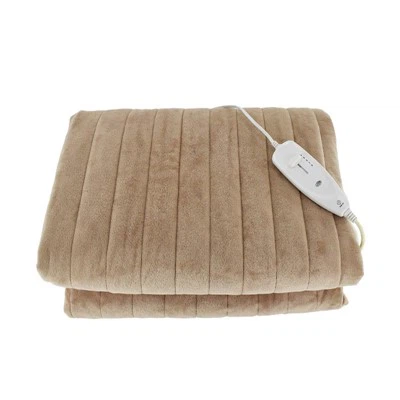
You want electric blankets to feel cozy and save energy. The right heating element helps a lot. If you pick carefully, users get warmth where they need it. People can change the heat to what feels best for them. This helps them sleep well and relax more.
- Electric blankets give heat right where you want it.
- They use less power than most space heaters.
- Auto-shutoff keeps people safe while they sleep.
Pick heating elements that spread heat evenly. This stops hot spots and keeps everyone comfy. Good heating elements also help lower energy bills. If you sell to hospitals or hotels, comfort and saving energy are big selling points. These things help your business stand out from others.
Tip: Pick heating elements with adjustable heat and energy savings. This makes users happy and helps your business look good.
Supplier Quality and Certification
You need good suppliers to make sure your products are safe. When you check suppliers, look for strong quality checks and real certifications. These things protect your brand and lower the chance of problems.
|
Quality Assurance Practice/Certification |
Description |
|---|---|
|
Industry Compliance Requirements |
Safety certifications like UL, CE, GS, and RoHS are needed. Check that each product has the right papers for your area. |
|
Quality Control Processes |
Look at how the supplier checks quality and ask for samples. |
|
Warranty Terms |
Check the warranty and how often things break to see if they are reliable. |
|
Supplier Tenure |
Suppliers who have been around longer may be more stable. |
|
Verifiable Quality Certifications |
Look for ISO 9001, CE, and UL to show they follow rules. |
|
Production Metrics |
Check if they deliver on time, get lots of reorders, and answer fast. |
|
Third-party Lab Test Reports |
Ask for lab reports that show the blanket is safe and works well. |
Always ask for papers and test results. Certified suppliers help you avoid recalls and legal trouble. If you work with trusted partners, you give safer products and build strong business ties.
Alert: Always check your suppliers. Quality and certification protect you from big mistakes.
Cost and ROI
- You want to get the most for your money when buying heating elements. Price matters, but you should also think about long-term value. Cheap parts may cost less now, but they can break more and cost more later.
- Pick heating elements that last longer and need fewer repairs. This means fewer warranty claims and a better name for your business. Energy-saving designs help customers pay less for power, so they are happier and buy again.
- Think about the total cost, not just the price. Look at delivery, support after you buy, and if the supplier can handle big orders. If you buy good heating elements, you lower your risk and get more back from your investment.
Note: Focus on strong parts, saving energy, and good suppliers. These things help your business do better for a long time.
Customization and OEM/ODM Needs
You want electric blankets that match your brand and what your customers want. Customization lets you pick how your product looks and works. If you work with OEM or ODM suppliers, you can help design heating elements that fit your business plans. This helps your brand stand out and become stronger in the market.
Customization is important for B2B buyers because every market wants something different. You might need electric blankets in special sizes or shapes. Some customers want blankets with certain heating zones. Others may want special packaging or their own graphics. These choices let you give products that fit your customers' lives and tastes.
There are many ways to customize heating elements for electric blankets. Here are some common options:
- Pick the size to fit certain beds or uses
- Choose shapes for special product designs
- Get custom packaging for stores or gifts
Suppliers can also help with branding. You can put your logo on the blanket, change the packaging, or add your own graphics. These things help people remember your brand and come back to buy again. The table below shows some common types of customization and how many you need to order:
|
Customization Type |
Minimum Order Quantity |
|---|---|
|
Customized logo |
500 pieces |
|
Customized packaging |
500 pieces |
|
Graphic customization |
500 pieces |
Think about how customization changes how you buy and get your products. Custom orders can take more time to make and ship. You need to plan your stock and delivery times well. Ask your supplier about how long it takes to make and check your order. Good suppliers will tell you when to expect your products and help you after you get them.
Customization also changes after-sales service. When you design heating elements for a certain group, you lower the chance of returns and warranty problems. Products that fit your customers last longer and work better. This means you spend less fixing things and get more value for your money.
Tip: Always talk about your customization needs with your supplier before you order. Clear talks help you avoid mistakes and make sure your electric blankets are safe and good quality.
Customization can help you fix problems for buyers. For example, hotels may want blankets with their logo and special boxes. Hospitals may need blankets with extra safety or special sizes. By giving these choices, you help your clients more and get more business.
Customization gives you more choices and control. You can react fast to what the market and customers want. When you pick the right heating element and design, you make a product line that helps your brand and gives you long-term success.
Trends and Innovations

Smart Controls and IoT Integration
Heating element technology for electric blankets is changing fast. Now, many blankets have smart controls and IoT integration. These features let you change the heat from your phone or smart home system. You can set timers and check how the blanket works without getting up. This makes using the blanket easier and more comfortable. More people want these smart features, so companies make more blankets with them.
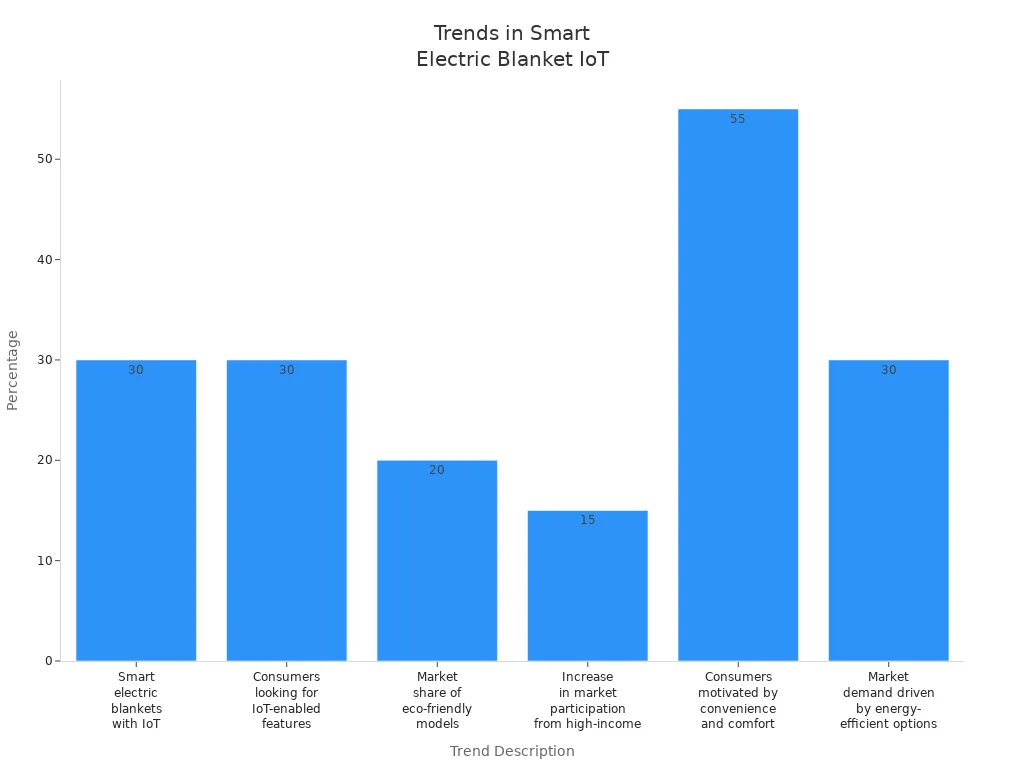
Smart electric blankets with IoT are now 30% of new products. About 30% of buyers want IoT features in their blankets. In richer areas, 15% more people are buying these smart blankets. Over half of buyers, about 55%, say they want comfort and easy use. Energy-saving blankets are also popular, making up 30% of what people want.
|
Trend Description |
Percentage |
|---|---|
|
Smart electric blankets with IoT capabilities |
30% |
|
Consumers looking for IoT-enabled features |
30% |
|
Market share of eco-friendly models |
20% |
|
Increase in market participation (high-income) |
15% |
|
Convenience and comfort motivation |
55% |
|
Demand for energy-efficient options |
30% |
Smart controls help make products the same and lower repair needs. IoT lets you fix problems from far away, so blankets last longer and cost less to fix.
Eco-Friendly Materials
- There is more pressure to use eco-friendly materials in electric blankets. Makers now use energy-saving technology and green materials. These blankets are better for the planet and help protect nature. Using these materials helps companies show they care about the earth. Buyers who like green products want these blankets.
- Eco-friendly blankets now make up 20% of the market. They use less energy and make less waste, which saves money over time. Green materials also help blankets last longer and break less often.
- Picking eco-friendly heating elements helps you give buyers what they want. It also makes your brand look good for caring about the environment.
Future Developments in Heating Elements
- More new ideas are coming for heating elements in electric blankets. The focus is on making blankets safer and saving energy. New blankets have overheat protection and automatic shut-off. These features stop the blanket from getting too hot and keep people safe. Smart home tech lets you change the heat from anywhere, making blankets easier to use.
- Some new products, like the Warmflow Messenger, use water to warm the bed instead of wires. This stops problems like overheating and electromagnetic radiation. Water systems are safer, especially for hospitals and hotels.
- The Warmflow Messenger gives warmth by moving water through the mattress. This makes sleep better and lowers safety risks. These new ideas help you sell blankets that last longer and need less fixing.
- Watch these new trends and ideas. Using better heating elements helps you stay ahead, make buyers happy, and lower problems for your business.
- You now know the main types of heating elements and what they are made of. You also learned about their safety features.
- Pick heating elements with certifications to make your products safer and better.
- Keep up with new trends and always ask suppliers for samples or test results.
- Good heating elements help you avoid problems, save money, and make buyers trust you.
References
|
Source Type |
Title/Standard/Link |
|---|---|
|
Industry Standard |
UL 964: Electric Blanket Safety Standard |
|
Certification Body |
CE Marking for Electric Heating Products |
|
White Paper |
"Advances in Carbon Fiber Heating Elements" – Textile Research Journal |
|
Data Source |
Statics.mylandingpages.co IoT and Eco Trends Chart |
|
Technical Report |
ISO 9001:2015 Quality Management Systems |
FAQ
Why should you choose a certified heating element for electric blankets?
Certified heating elements follow strict safety rules. They help stop overheating and fire risks. Buyers trust products with certifications. You avoid legal problems. UL and CE certifications mean your blankets are safe and reliable.
How does the heating element type affect blanket lifespan?
The heating element type changes how long blankets last. Carbon fiber and polymer PTC elements do not wear out fast. You spend less fixing or replacing them. Wire elements need more checks and repairs.
What safety features must you look for in electric blanket heating elements?
Look for overheat protection and automatic shut-off. Fire-resistant insulation is also important. These features keep users safe and lower warranty claims. They help you pass safety checks and meet industry rules.
Why do B2B buyers prefer polymer PTC heating elements?
Polymer PTC heating elements control their own temperature. This means fewer returns and less fixing. Hospitals and care homes like them for safety. You get better value and happier customers.
How do heating elements impact energy efficiency?
Efficient heating elements use less electricity. Carbon fiber and polymer PTC save more energy. You help clients pay lower bills and meet green goals.
Can you customize heating elements for different electric blanket applications?
You can change heating elements for different blanket types. Suppliers let you pick size, shape, and heating zones. Custom options help you fit client needs and grow your product line.
What maintenance do heating elements for electric blankets require?
Check heating elements for damage or wear often. Carbon fiber and polymer PTC need less fixing. Regular checks stop problems and help blankets last longer.
Why is material selection important for heating elements in electric blankets?
Picking the right material makes blankets safer and stronger. Copper and nichrome wires heat up fast but can rust. Carbon fiber and polymers last longer and work better. Good materials lower risks and make better products.