
This article is a practical guide to using a heating pad for back. You'll learn: (1) when heat works best and when ice is a better option, (2) safe use tips-time, temperature, and positioning, and (3) what to look for before buying, including coverage size, auto shut-off, comfort materials, and wearable/strap styles. For severe or persistent pain, consult a healthcare professional.
What a heating pad can help with?
A heating pad can be useful for back discomfort that feels like tightness, stiffness, or muscle soreness. Gentle heat may help your muscles relax, improve comfort, and make it easier to move-especially after long sitting, repetitive work, or exercise.
When heat may help?
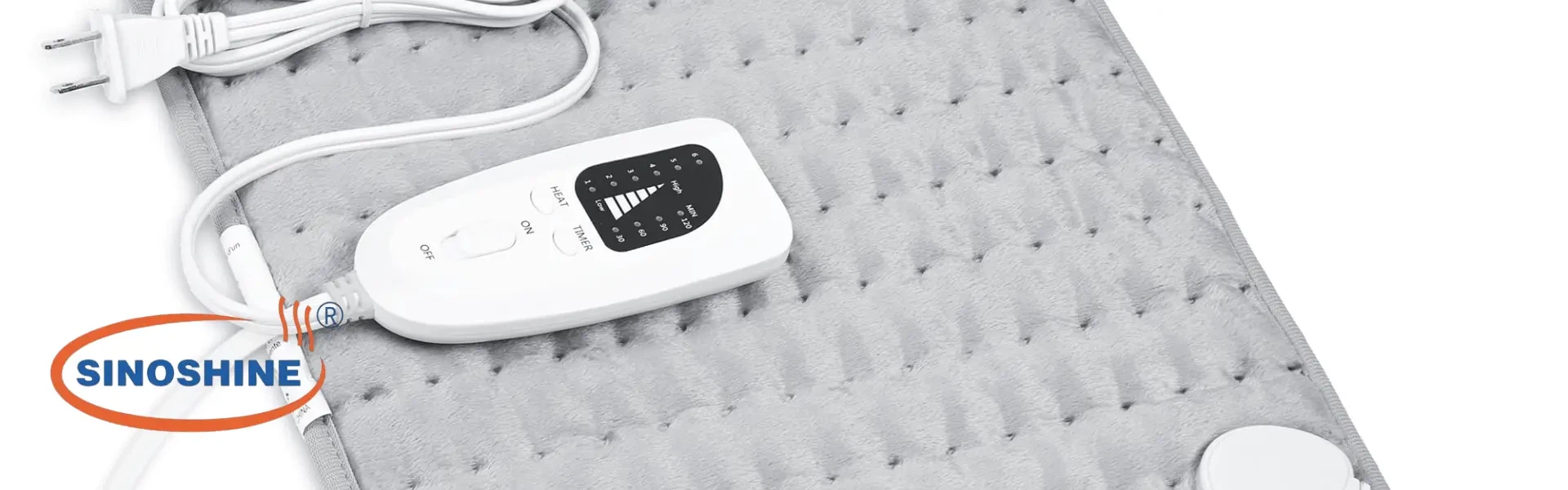
Heat therapy is often used for back discomfort that feels like muscle tightness, stiffness, or everyday soreness. It may be especially helpful when you have tension in the upper, middle, or lower back, feel stiff after waking up or sitting for hours, experience chronic mild-to-moderate soreness that comes and goes, or notice post-workout achiness and fatigue in your back muscles.
When heat may not be the best choice?
Heat isn't ideal in every situation. Be careful or avoid using a heating pad if you have a new, sudden injury (such as an acute strain or sprain), visible swelling, redness, or inflammation that feels hot to the touch, open wounds or irritated skin where the pad would sit, or reduced sensation that may prevent you from noticing overheating in time. If you're unsure, start with a short session on low heat-or consider cold therapy first for acute flare-ups.
When you should talk to a professional?
Seek medical advice promptly if your back pain is severe, gets worse, or comes with warning signs such as pain that shoots down the leg, numbness or tingling, weakness in the leg or foot, fever or feeling unwell, unexplained weight loss, loss of bladder or bowel control, significant pain after a fall or injury, or pain that doesn't improve after several weeks of basic care.
Heat vs. ice for back pain: which one should you use?
Heat and ice can both be helpful-but they work best in different situations. A simple rule many people follow is: use ice for "new and inflamed," and heat for "tight and stiff." If you're not sure, start with a short session and pay attention to how your body responds.
Use ice first
Cold therapy is commonly used when back pain is new, sudden, or linked to a recent strain, especially if you notice swelling, warmth, or sharp tenderness. Ice may help reduce discomfort and calm the irritated area during the early stage of a flare-up.
How to do it: wrap an ice pack in a thin towel and apply it for 10–15 minutes, then take a break before repeating.
Use heat for stiffness and muscle tightness
Heat is often more useful when your back feels stiff, tight, achy, or "locked up," such as after sitting for hours, waking up stiff, or dealing with recurring muscle soreness. Gentle warmth may help relax muscles and improve comfort, making it easier to move.
How to do it: use a heating pad on a low-to-medium setting for 15–20 minutes, with a fabric layer between the pad and your skin.
Can you alternate heat and ice?
Yes-some people find alternating works well, especially when symptoms include both soreness and tightness. The key is to let your body guide you and avoid anything that increases pain.
Example routine :
- Ice 10–15 minutes → rest 20–30 minutes
- Heat 15–20 minutes → rest
- Repeat once if it still feels helpful
Everyone responds differently, so treat this as a starting point-not a strict rule. If pain is severe, worsening, or comes with numbness/weakness, it's best to consult a healthcare professional.
How to use a heating pad on your back?
Using a heating pad is simple-but a few small habits make it safer and more comfortable. Follow these steps to get steady warmth without overheating your skin.

Step 1 - Start low and protect your skin
Begin with the lowest heat setting, especially if you're new to heat therapy or your skin is sensitive. Heat should feel warm and soothing, not hot or painful.
Always place a thin barrier between your skin and the pad-such as a T-shirt, towel, or the pad's built-in cover. This helps prevent irritation and lowers the risk of burns.
Step 2 - Positioning tips for full back coverage
Place the pad so it sits flat and stays in contact with the area you want to warm:
- Upper back: position the pad higher, between the shoulder blades
- Mid-back: center it along the spine area (avoid direct pressure on bony points)
- Lower back: place it just above the hips where tightness often builds
For best safety and comfort, use heat in a seated or reclined position-for example, sitting in a chair with back support or leaning back on a sofa. Try to avoid lying fully on top of the pad, since compressing it can trap heat and increase the chance of overheating.
Step 3 - Time it and check your skin
A good starting point is 15–20 minutes per session, then adjust based on the product instructions and how your body feels.
During the session, take a quick pause to check your skin. If you notice strong redness, burning, numbness, or stinging, stop immediately and let the area cool down.
How long should you use a heating pad on your back?
When it comes to heat therapy, more isn't always better. The goal is gentle warmth that relaxes muscles-without overheating your skin.
Typical session length
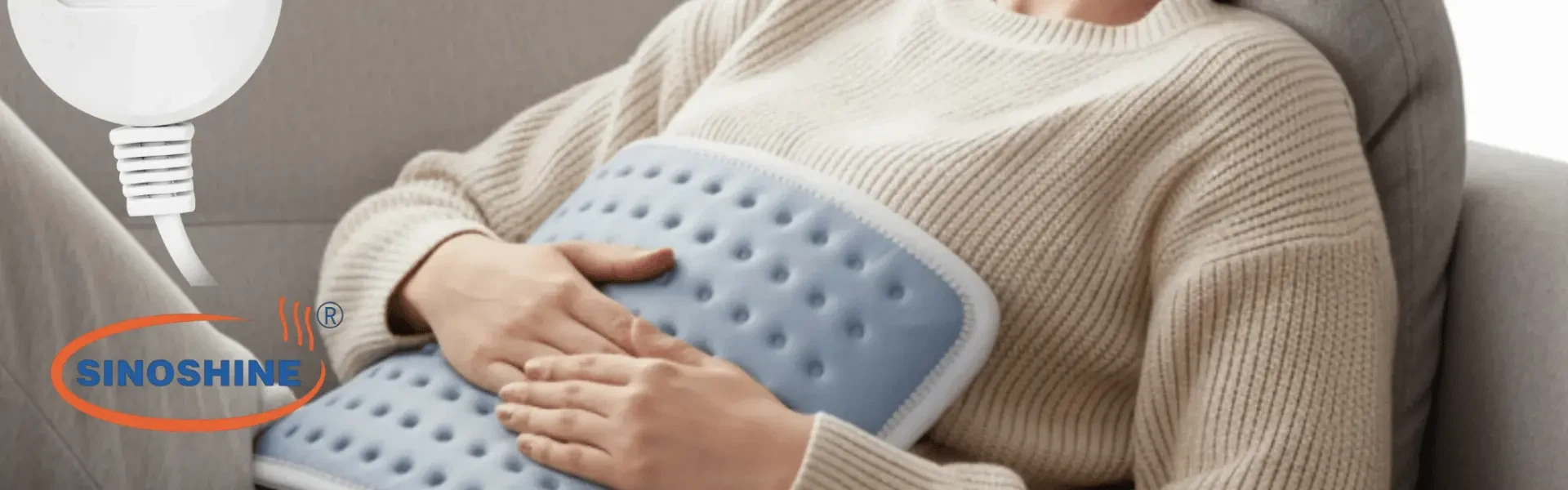
A common range is 15–30 minutes per session, depending on the pad's heat level and your comfort. If you're unsure, take a more conservative approach: start with 15–20 minutes on a low-to-medium setting, then reassess. Heat should feel soothing-not intense, burning, or irritating.
Always follow the manufacturer's instructions, especially if your heating pad is designed for longer or shorter sessions.
How many times per day?
Many people use a heating pad 1–3 times per day, based on what feels helpful. Leave a break between sessions so your skin can cool down and recover-avoid keeping heat on the same spot for long, continuous periods. If you find yourself wanting heat all day, consider lowering the setting, shortening sessions, or alternating with gentle movement and stretching.
Can you sleep with a heating pad?
In most cases, it's not recommended to sleep with a heating pad on. When you fall asleep, you may not notice overheating, shifting position, or prolonged contact on one area-raising the risk of skin irritation or burns.
An auto shut-off feature is essential, but it doesn't eliminate risk. For overnight comfort, a safer option is to warm the area for a short session before bed, then remove the pad.
Heating pad safety: burns, overheating, and "toasted skin" risks
A heating pad should feel comfortably warm-not hot. Most safety issues come from using heat too high, too long, or with too much pressure, which can overheat the skin. In rare cases, repeated low-level heat over time may also cause a mottled skin discoloration sometimes called "toasted skin" (erythema ab igne). The good news: simple habits dramatically reduce these risks.

Top safety rules
- Never place a heating pad directly on bare skin. Use a thin layer of clothing, a towel, or the pad's cover.
- Don't lie on top of the pad or compress it. Avoid full-body weight on the pad, and never use it folded.
- Don't leave infants or anyone with reduced sensation unsupervised with a heating pad (they may not feel overheating in time).
- Stop using it immediately if you notice problems-damaged cord, unusual smell, sparking, or a spot that feels much hotter than the rest.
- Listen to your skin. If you develop strong redness, stinging, numbness, or a burning sensation, stop and let the area cool.
Special caution groups
Extra care is needed if you or the user has a higher risk of burns or poor heat tolerance, including:
Diabetes, poor circulation, or nerve-related reduced sensation (you may not feel excessive heat)
- Pregnancy (it's best to ask a healthcare professional before using heat therapy)
- Older adults or anyone with thinner, more fragile skin
- Post-surgery recovery or areas with altered sensation or healing tissue
- If any of these apply, use lower heat, shorter sessions, and frequent skin checks.
Types of heating pads for back: which style fits you?
Not all heating pads work the same way. The best choice depends on where you use it (home, office, travel), how much coverage you need, and whether you prefer set-and-forget comfort or on-the-go convenience.

Electric heating pad (plug-in)
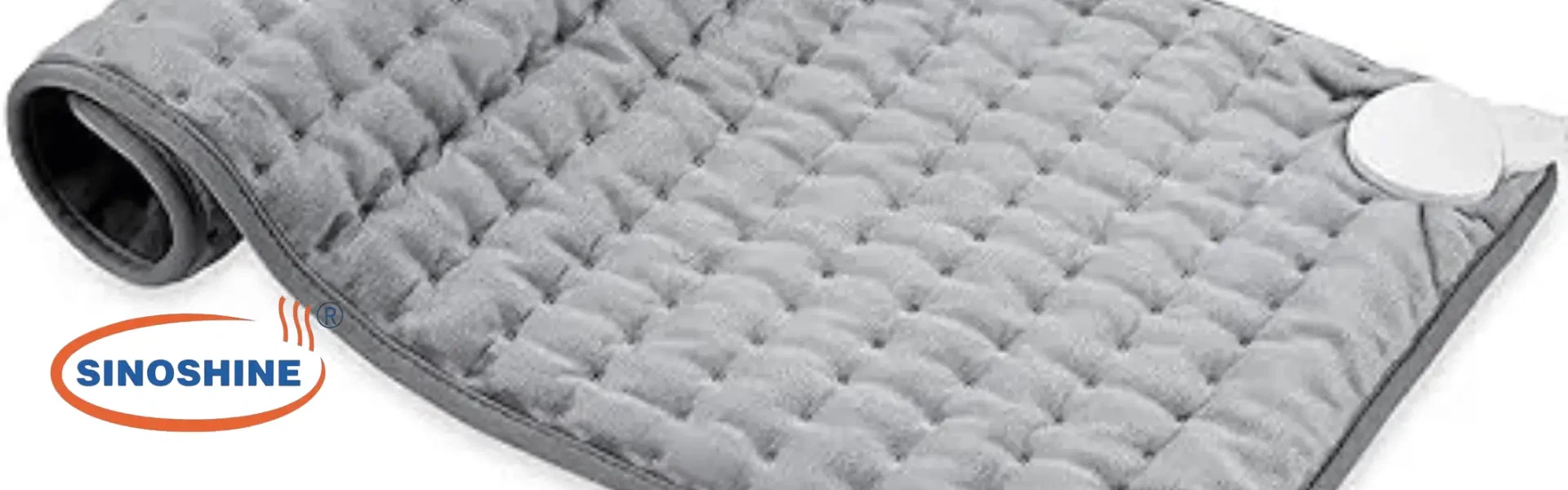
A plug-in electric heating pad is a popular option for home use because it offers steady heat and precise temperature control. It's great when you want consistent warmth for tight, stiff muscles while relaxing on a sofa or sitting at your desk.
What to look for: multiple heat settings, auto shut-off for safety, even heating, and a cord length that fits your setup.
Microwavable heating pad
Microwavable pads are cord-free and portable, making them convenient for quick relief without needing an outlet. They can be cozy and comfortable, especially for short sessions.
What to look for: heating instructions that are easy to follow, even heat distribution, safe and durable filling materials, how long the warmth lasts, and clear warnings to reduce burn risk (overheating in the microwave is a common issue).
Heat wrap / heating belt with strap
If you want to move around-working at a standing desk, doing light chores, or commuting-a heat wrap or heating belt can be a good fit. The strap design helps keep heat in place without needing to hold the pad.
What to look for: a comfortable fit, adjustable strap length, coverage for your target area (lower back vs. full back), and a design that stays put without sliding when you walk or sit.
Disposable heat patches
Disposable heat patches are useful for travel, outdoor use, or short-term emergencies. They're lightweight and easy to pack, and you can apply them under clothing for gentle warmth.
What to look for: how long the patch lasts, whether the heat level feels controllable (many warm gradually and can't be adjusted), skin sensitivity warnings, and placement guidance to avoid irritation.
Dry heat vs. moist heat: what's the difference?
When shopping for a heating pad for back use, you'll often see "dry heat" and "moist heat" mentioned. Both can feel soothing, but the experience can be different-especially if your back tends to feel deeply stiff versus mildly sore.

What is dry heat?
Dry heat is warmth applied without added moisture. Most standard electric heating pads provide dry heat, as do hot air-style warmers. Dry heat is easy to use, low-maintenance, and works well for many people who want simple, steady warmth.
What is moist heat?
Moist heat adds humidity to the warmth. This can come from steam-based heat, products designed to deliver moist warmth, or simple at-home methods such as using a slightly damp towel as a barrier (only if your heating pad's instructions allow it). Moist heat often feels "softer" on the skin and can be especially comfortable for people who feel very stiff.
Which one should you choose?
There's no one-size-fits-all answer. Many users feel moist heat is better for deep stiffness and tightness, while dry heat is great for everyday soreness and quick relaxation. The right choice usually comes down to:
- Personal preference: some people love the gentle feel of moist warmth; others prefer the simplicity of dry heat
- Skin sensitivity: moisture can feel more intense for some users, so start low and monitor your skin
- Cleaning and maintenance: dry heat pads are often easier to keep clean, while moist-heat options may require more care
- Your routine: if you need fast, low-fuss warmth, dry heat is usually the simplest; if you want a more "therapy-like" feel, moist heat may be worth trying
What to look for in a heating pad for back?
A heating pad may look simple, but small design differences can change comfort, safety, and how well it fits your routine. Use this checklist to choose a heating pad that matches your back area, lifestyle, and expectations.

Size & coverage
Bigger coverage usually makes back use easier-less adjusting, more consistent warmth.
Quick tip: choose a pad that matches your target area: upper-back focused for shoulder-blade tension, or large/full-back coverage if your discomfort moves around.
Heat settings & fast, even heating
Look for multiple heat levels so you can start low and adjust gradually. A good heating pad should warm up quickly and feel even across the surface, without hot spots that can irritate skin.
Auto shut-off
Auto shut-off is a baseline safety feature because it helps prevent overheating if you lose track of time or get distracted. It's especially important for back use, where the pad may be pressed against a chair or sofa. Auto shut-off is essential-but safe habits still matter.
Washable cover & skin-friendly material
Back heating pads are often used repeatedly, so hygiene and comfort count. A removable, washable cover makes maintenance easier, and a soft, skin-friendly fabric reduces friction and irritation during use.
Fit & design
Think about how you'll use it. If you want warmth while moving or working, a wrap/belt with straps can stay in place better than a flat pad. For relaxing at home, a larger flat pad or shoulder/back drape style may feel more comfortable.
Cord length, voltage, and travel needs
For home use, a practical cord length helps you avoid awkward setups near outlets. If you travel or sell internationally, consider options for different voltages and plug types-but keep the focus on safe, compatible use rather than complicated specs.
Certifications & compliance
If safety and quality assurance matter to you, look for clear documentation and responsible manufacturing practices. For brands and bulk buyers, it's helpful when a supplier can support required testing and compliance documentation for your target market, rather than making broad promises.
How to get better results: combine heat with simple habits?
A heating pad can feel great in the moment, but you'll often get better, longer-lasting comfort when you pair heat with a few simple daily habits. Think of heat as a "warm-up" that helps your body move more easily-then use that window to support your back with gentle movement and better positioning.

Gentle stretching after heating
After a short heating session, your muscles may feel looser and more comfortable. That's a good time to do gentle, pain-free stretching-nothing aggressive. Try slow movements like a light forward fold, a seated twist, or a simple knee-to-chest stretch. Aim for 30–60 seconds per stretch, breathing calmly, and stop if you feel sharp pain.
Posture breaks for desk work
If your back tightness is linked to sitting, heat works best when you also change the pattern that causes the tension. Set a reminder to take a 30–60 second break every 30–60 minutes. Stand up, walk a few steps, roll your shoulders, and reset your posture. Small, frequent breaks are often more effective than one long stretch at the end of the day.
When heat isn't enough?
Heat is not a fix for every type of back pain. If discomfort is severe, worsening, recurring, or affecting daily life, it's a good idea to get an evaluation from a healthcare professional or a physical therapist. Seek help sooner if you notice symptoms like numbness, weakness, pain shooting down the leg, fever, or pain after an injury.
FAQ
Is a heating pad good for back pain?
A heating pad can be useful for back discomfort caused by muscle tightness, stiffness, or general soreness. Gentle heat may help muscles relax and feel more comfortable, especially after sitting for long periods or after exercise. If your pain is new, sharp, or comes with swelling or inflammation, ice may be a better first step. For severe or persistent symptoms, consult a healthcare professional.
How long should I use a heating pad on my back?
A common guideline is 15–30 minutes per session. If you're unsure, start conservatively with 15–20 minutes on a low-to-medium setting, then reassess how your skin and muscles feel. Follow your heating pad's instructions, and stop if you notice burning, stinging, or strong redness. Short, consistent sessions are often safer than long continuous heat.
Can I sleep with a heating pad?
In most cases, it's not recommended to sleep with a heating pad on. When you fall asleep, you may not notice overheating, shifting position, or prolonged heat on one spot, which increases burn risk. An auto shut-off feature is important, but it doesn't remove all risk. A safer approach is to use heat before bed, then remove the pad before sleeping.
Heat or ice for lower back pain?
Many people use ice first for a new flare-up or recent strain-especially if there's swelling, warmth, or sharp tenderness. Heat is often better for ongoing tightness, stiffness, or muscle soreness. If both feel helpful, you can alternate: ice for 10–15 minutes, rest, then heat for 15–20 minutes. Choose what reduces discomfort without increasing pain.
What temperature is safe?
There isn't one "perfect" temperature for everyone. Start with the lowest setting and increase only if needed. Heat should feel warm and soothing, not hot or painful. Use a thin layer of fabric between the pad and your skin, and check the area during use. If you feel burning, numbness, or stinging-or see strong redness-turn it down or stop.
Which is better: moist heat or dry heat?
Both can work well. Dry heat (most standard electric pads) is simple, low-maintenance, and effective for everyday soreness. Moist heat may feel more comfortable for some people with deeper stiffness, but it can feel more intense and may require extra care. The best choice usually depends on personal preference, skin sensitivity, and how easy it is to clean and maintain.
Are heating pads safe for older adults / diabetes?
Extra caution is needed. Older adults and people with diabetes may have reduced sensation or circulation, which can increase the risk of burns. If you use a heating pad, choose low heat, keep sessions short, use a protective fabric layer, and check the skin frequently. Avoid unsupervised use. If you're unsure, talk to a healthcare professional before using heat therapy regularly.
Heating pad vs heat wrap: what's the difference?
A heating pad is typically a flat pad you place behind or under your back while sitting or reclining. A heat wrap/heating belt is designed to be worn, often with straps, so it can stay in place while you move around. Pads often offer broader coverage for relaxing at home, while wraps are better for walking, working, or targeted lower-back warmth.
Related Articles