

Many people's first reaction when they feel cold sleeping in winter is to turn up the heating or use an electric blanket, which can lead to either dry mouth and throat, or feeling suffocated while hands and feet remain cold. We'll recommend 5 tips for staying warm at night and getting warmth during cold seasons without relying on heating or heated blanket alternatives.

Room Temperature and Bed Temperature Control
Don't heat your room above 25°C. The optimal room temperature for deep sleep is 15°C - 19°C. Excessively high room temperatures suppress melatonin secretion, leading to lighter sleep. The correct strategy is: keep your head cool (breathing fresh air) while keeping your bed warm inside (creating a constant temperature layer).
Making Your Bed Warmer: Bedding Layering Methods
The essence of warmth is trapping still air. A single thick comforter is not as effective as a multi-layer combination for creating bed warmth.
Bottom Layer: Blocks heat loss. Heat radiates upward but is also absorbed by cold mattresses. You can add a mattress topper. If sleeping directly on a spring mattress, your back will feel cold. It's recommended to add a layer of memory foam or thick cotton protective pad under the sheets, mainly to insulate against cold air from the bottom of the mattress.
Contact Layer: Avoid satin and high thread count pure cotton. These fabrics conduct heat quickly, creating an "icy touch" when you first get into bed, consuming body heat. SINOSHINE recommends: flannel or brushed cotton. These fabrics have surface fibers that reduce contact area between skin and fabric, providing instant warmth and storing warm air.
Cover Layer: Requires weight and density. The recommended combination is "down comforter/cotton quilt + thin blanket." Place the thin blanket on top of the comforter. This blanket layer holds down the fluffy comforter, preventing drafts from the edges and reducing heat loss from convection inside the bed.
Auxiliary Heating Tools for Warming Up a Bed
Hot Water Bottle If you don't like electrical appliances, a hot water bottle remains the safest solution. Place it at your feet. Keeping your feet warm in bed promotes whole-body blood circulation, carrying heat through the blood to the body's core areas.
Foot Soaking Soaking your feet half an hour before bed can effectively warm you up quickly throughout your body and even make falling asleep easier.
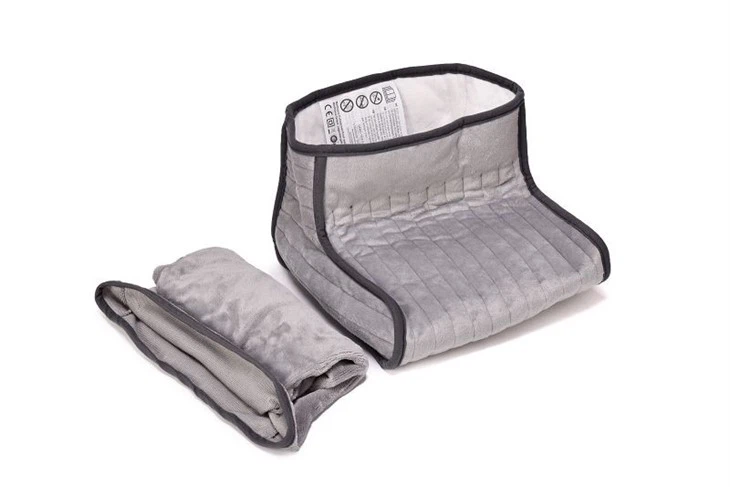
SINOSHINE Foot Warmer
Product Categories, Customization Options, and Industry Solutions
Using Body Functions to Generate Heat
Wearing Socks to Sleep Cold hands and feet are usually caused by peripheral blood vessel constriction. Wearing socks can warm your feet in bed and promote vasodilation. This helps the body dissipate heat (lowering core body temperature).
Note: Must wear loose wool socks or sleep-specific socks. Tight-fitting socks impede blood return, actually making feet colder.
Timing of Pre-Sleep Bathing Best time: Take a hot bath 60-90 minutes before bed. Principle: Body temperature rises during bathing and naturally drops after exiting. This "cooling process" tricks the brain, causing the body to warm up and think it's time to sleep, helping you fall asleep quickly and inducing drowsiness.
Making a Bedroom Warmer: Environmental Considerations
Curtain Sealing: Glass is the biggest thermal bridge in your home. Pull curtains immediately after sunset, preferably using thick blackout curtains.
Floor Insulation: If there's wooden flooring or tiles beside the bed, lay down a carpet. Avoid stimulating nerves when stepping out of bed onto cold floors.
Humidity Control: Winter heating causes indoor humidity to drop below 20%, and extreme dryness makes the perceived temperature lower. Use a humidifier to maintain 40%-50% humidity so you'll feel warmer without dry mouth.
FAQ
My feet are so cold I can't sleep-what can instantly raise the temperature?
Wear clean, dry thick wool socks.
Place a hot water bottle or hand warmer in your sleeping bag/at the foot of the bed to keep your feet warm for several hours.
Put hand warmers inside socks or at the arch of your feet.
Enhance blood circulation: Before changing socks, rub your feet against the sheets to generate heat and warm your feet quickly.
My bed always feels cold-is my comforter not thick enough?
Laying reflective insulation (Reflectix) under or even on top of the mattress can significantly reduce heat loss.
Layering strategy: Sleeping bag, blankets, and comforters provide more warmth than a single thick comforter.
Excess space lets heat escape; minimize "cold gaps" on the bed.
Why do I still sleep poorly despite having thick blankets?How do blankets keep you warm?
Heat retention isn't just about thickness, but about reducing heat loss pathways.
Isolating cold sources, sealing in heat, and using heat sources are three steps more effective than relying solely on thick blankets.
If the room itself is very cold, are there simple ways to improve how it feels when sleeping?
Add insulation layers around the bed (blankets, foam pads) to reduce cold air infiltration and keep your room warm at night.
Tuck in the edges of blankets tightly, reducing gaps to prevent heat from escaping.
Retaining heat around the head can also enhance overall warmth.
Drink hot beverages or take a hot bath before bed to raise internal body temperature and get warm fast.