
When you pick heating blankets for outside, look at key features. New things like better batteries and smart temperature control help blankets be special. Safety is important, so things like auto shut-off and saving energy are needed. Agents want blankets made from strong and comfy materials. The table below shows how different features help people choose products:
|
Feature Category |
Examples/Details |
|---|---|
|
Product Types |
Electric, weighted, water-activated blankets |
|
Material Types |
Microfiber, polyester, wool, cotton |
|
Temperature Control |
Manual, remote, smart app-based |
|
Safety Features |
Automatic shut-off, timers |
Heating Blanket Performance
Heating blanket agents need to know why performance is important. When you pick equipment for outside, you want steady heat and safe use. You also want the warmth to last a long time. Let's look at why temperature control and energy efficiency matter.
Temperature Control
Adjustable Settings
You want to give people equipment that lets them pick the right heat. Adjustable settings make a heating blanket useful in many ways. People can choose low, medium, or high heat. This depends on the weather and what feels good to them. This helps people not get too hot and keeps them warm.
- Adjustable temperature settings (low, medium, high) let users control comfort.
- Multi-zone heating lets people warm certain spots for extra support.
- Battery-powered models often have two or three heat levels for safety.
Tip: Pick heating blankets with controllers that are easy to use. Simple buttons and clear screens help people change heat fast, even when it's cold.
Stability
A steady temperature is very important for outdoor gear. You want heat that does not change, so people feel safe and cozy. Heating blankets with auto shut-off and thermal sensors stop overheating. These features keep people from getting burned and help the blanket last longer.
- Automatic shut-off turns off the blanket if it gets too hot.
- Thermal sensors check the heat and change it for safety.
- Waterproof and insulated designs stop shocks and burns.
|
Controller Type |
Temperature Range |
|---|---|
|
BriskHeat® TTD Digital Controller (Part #19B657) |
0°C to 79°C |
|
BriskHeat® TTD Digital Controller (Part #19B651) |
0°F to 175°F |
|
Bulb and Capillary Temperature Controller (Part #19BV72) |
0°F to 150°F |
These ranges show how the equipment can give soft or strong heat for different needs.
Energy Efficiency
Power Input
You want equipment that does not waste energy. Blankets with lower wattage use less power. This saves money and helps the planet. Good insulation and smart temperature control keep heat in and waste out.
Energy-saving blankets keep warmth steady without using more power.
Timers and settings help people manage heat and save energy.
Battery life and quick charging are important for cordless models.
Cost Savings
Energy efficiency saves real money. If you pick equipment with low power and smart controls, people pay less for power. Heating blankets cost much less to use than central heating or other heaters.
Using the blanket for less time and on lower heat saves money.
Taking care of the blanket and using the right settings makes it last longer and saves on buying new ones.
|
Heating Method |
Approximate Running Cost (per night) |
Notes |
|---|---|---|
|
Electric Blankets |
~19.6p |
Very cheap, especially with timers and settings. |
|
Central Heating |
£1.50–£2 |
Costs more to heat the whole house. |
|
Portable Electric Heaters |
£4.80 |
Uses a lot of power and costs more. |
|
Oil-Filled Radiators |
£2.40–£3.20 |
Better than fan heaters but still pricey. |
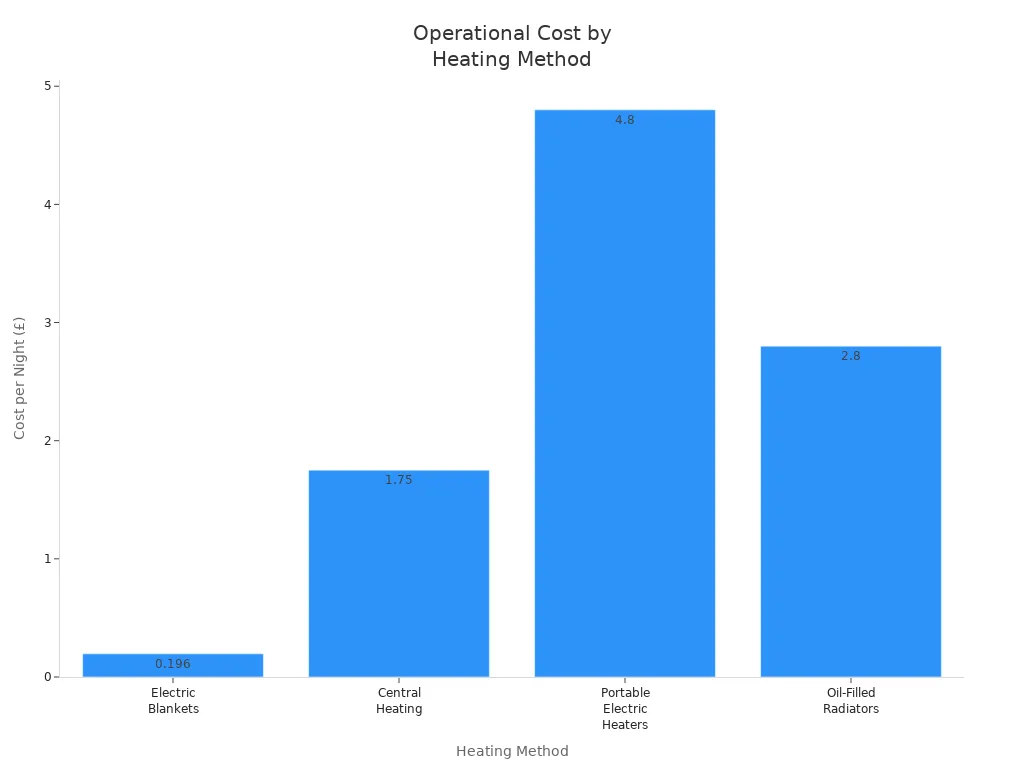
You can see that heating blankets give the best value for warmth. By picking energy-saving equipment, you help people stay warm and spend less.
Protection and Safety
Outdoor heating blanket agents need to care about safety. They want to keep people safe and stop accidents. Experts say overheat protection and weather resistance matter most outside. These features help stop fires and keep the blanket working in bad weather.
Overheat Protection
Automatic Shut-Off
Automatic shut-off is a very important safety feature. It turns off the blanket if it gets too hot. This keeps people from getting burned and lowers fire risk. Many accidents happen when blankets do not have this feature. For example, the U.S. Consumer Product Safety Commission recalled Bedsure electric heating blankets. They caused fires and burns. Old blankets without automatic shut-off can get too hot and start fires. This happens if they are left on too long or if the fabric folds up. You should always pick blankets with automatic shut-off. This keeps everyone safe.
Thermal Sensors
Thermal sensors watch the heat inside the blanket. They help control the temperature and stop overheating. If there is a problem, the blanket turns off or cools down. Experts say bad wires and old parts can cause fires. Thermal sensors help stop fires by catching heat problems early. This keeps people safe and protects your business from recalls.
Tip: Change blankets that are over 10 years old. New blankets have better thermal sensors and automatic shut-off.
Safety Compliance Table
|
Feature |
Standard/Certification |
Purpose |
|---|---|---|
|
Power Density ≤0.5W/sq.cm |
IEC 60335-2-17, UL 964 |
Prevent overheating |
|
Flame-retardant materials |
BS EN 597, NFPA 701 |
Lower fire risk |
|
Automatic shut-off |
CE, FCC, SAA, ETL, CSA |
Stop overheating incidents |
|
Wire durability (10,000+ cycles) |
Third-party QA |
Ensure long-term protection |
Essential Blanket Protection
Waterproof
Waterproof blankets are needed for outdoor use. They protect the heating parts from rain, snow, and ice. Waterproof designs keep water out and help the blanket last longer. Custom heating blankets with weatherproof covers protect from cold weather damage. This protection means less time fixing and lower costs. You get blankets that work well for a long time.
Weather Resistance
Weather resistance means the blanket can handle wind and cold. Strong materials and sealed edges keep water out. Weather-resistant blankets keep heat steady and stop damage. You save money on repairs and the blanket works in every season. Taking care of the blanket, like cleaning and storing it right, helps it last longer.
- Water resistance and weatherproofing keep out bad weather.
- Closed-cell insulation keeps heat inside and saves energy.
- Even heat spread stops hot spots and keeps people safe.
- Certifications like ETL, UL, and CSA show the blanket is safe outside.
🌧️ Weatherproof blankets keep you warm and safe, even in rain or snow.
You should always pick blankets with good protection features. These features help stop fires, keep people safe, and make the blanket last longer. When you choose blankets with strong safety, you build trust and meet high standards everywhere.
Comfort and Usability
Outdoor heating blanket agents need to think about comfort and how easy the blanket is to use. These things help people enjoy using the blanket outside. You want users to feel cozy, safe, and able to control the heat. Let's see why softness, weight, and dual controls are important for your business.
Softness and Weight
Fabric Quality
Pick blankets made from soft and strong materials. Polyester and flannel are good because they feel nice and keep heat in. Microfleece is a kind of polyester that is very soft and tough. Fleece is light but keeps you warm, so it is great for outside. Wool keeps heat in and makes the blanket heavier, so users feel snug. Down feathers and down alternatives make the blanket soft and heavy, which feels nice. Microfleece and fleece give warmth without being too thick, while down feels extra soft and heavy. These materials help make a high-quality thermal blanket that feels good and lasts a long time.
User Comfort
Softness and weight change how much people like the blanket. Most people like thick and heavy blankets because they feel calm and safe, not just warm. About 80% of people like heavy blankets because they help them relax. Around 20% want light blankets because they are easy to carry. Softness is important for happiness. One popular blanket got a 95% comfort score and 92% owner happiness. The best mix of weight and warmth gets higher ratings. Weighted blankets help people relax, especially if they feel nervous. The material you pick changes comfort in different weather. Down is warm but not as good when it is humid. You should match the blanket's softness and weight to what your customers want.
💤 Tip: Choose blankets with soft microfleece or fleece for the best warmth and comfort. Heavy blankets are good for cold nights and for people who feel anxious.
- Softness and weight help people like the blanket more.
- The material you pick changes comfort in all weather.
Weighted blankets help people feel calm.
Dual Controls
Programmable Settings
Dual controls make outdoor heating blankets better for groups. Two people can each pick their own heat level. Each person can choose the temperature that feels best. This feature is often in queen and king sizes. Dual controllers help couples or friends share a blanket without fighting over the heat. Programmable settings let people set timers and change heat for each side. This makes the blanket easy to use and flexible.
Cord Length
Long cords make the blanket easier to use. Users can move around and put the blanket where they want. Dual controls often have longer cords, so each person can reach their own controller. This helps outside, where outlets may be far away. Long cords and remotes make the blanket more handy.
|
Feature |
Description |
|---|---|
|
Dual Control |
Lets two users set different temperatures, boosting comfort. |
|
Outdoor Suitability |
Waterproof and weather-resistant materials keep the blanket safe outside. |
|
Safety Features |
Overheat protection and auto shut-off prevent accidents. |
|
Control Options |
Digital controls, timers, and remotes make the blanket easy to use. |
|
Usability in Group Settings |
Dual control allows personalized heat, making the blanket versatile for multiple users. |
Dual controls make the blanket more comfortable and easy to use. You let users change the heat and enjoy the blanket together. This feature helps your premium thermal blanket stand out from others.
Durability and Construction
When you pick outdoor heating blankets, you want them to last. They need to handle bad weather and lots of use. Strong blankets protect your money and keep people safe. Let's talk about why tough materials and good stitching matter.
Material Strength
Tear Resistance
Blankets should not rip or break easily. Outside, sharp things and rough ground can hurt them. Pets can also scratch or bite the fabric. If the blanket tears, water and dirt can get inside. This makes the blanket weak and unsafe. Kevlar® thread is very strong and holds the blanket together. It can handle being pulled or stretched. Kevlar® thread is much stronger than Teflon-coated fiberglass or Nomex®. It can hold up to 35 pounds before breaking. This means your blanket stays together after many uses.
|
Construction Material |
Key Property |
Impact on Durability |
|---|---|---|
|
Kevlar® Thread |
High break strength (35 lb) |
Makes the blanket strong and lasts longer, even in sunlight |
|
Type E Needled Fiberglass Insulation |
Soaks up water fast |
Gets damaged quickly and does not last long |
|
Aerogel Insulation |
Keeps water out, holds heat well |
Stays warm and dry, even when it rains |
|
Outer Cover |
Stops damage from tools and weather |
Keeps the blanket safe and working for a long time |
Using Kevlar® thread and a tough cover helps protect your blanket. Aerogel insulation keeps the blanket warm and dry, even if it gets wet.
UV Protection
Sunlight can hurt blankets over time. UV rays make fabric weak and easy to break. Blankets with UV-resistant materials do not get damaged as fast. Kevlar® thread stays strong, even in the sun. This helps your blanket last for many years outside. UV protection also keeps the blanket looking nice and working well.
Stitching Quality
Reinforced Seams
Seams are where blankets can break first. If the stitching is weak, the blanket can open up. Reinforced seams use extra strong thread or more stitches. This keeps the layers together and stops leaks. Tight seams help the blanket keep heat inside. Multi-layer insulation works best when seams do not open.
Fasteners
Good fasteners keep the blanket in place. Outside, wind and rain can move the blanket around. If fasteners break, the blanket can slip or bunch up. This can cause the wires to get too hot or break. Look for blankets with strong snaps, Velcro, or straps. These keep the blanket flat and safe when you use it.
🛠️ Tip: Always check seams and fasteners before you use your blanket. Replace blankets with loose stitching or broken fasteners to stay safe.
Blankets can get damaged by bad wires, broken cords, folding while hot, pet bites, or cleaning wrong. You can stop many problems by picking blankets with strong parts and checking them often.
A tough outdoor heating blanket helps you worry less. You save money because you do not need new blankets often. You also keep people safe in any weather.
Certification and Compliance
When you pick outdoor heating blankets, check for certification and compliance. These steps help you follow government rules and keep people safe. You also build trust with buyers and avoid trouble with product approval. Let's see why these things matter for agents.
Safety Certifications
UL, ETL Marks
You should look for UL or ETL marks on outdoor heating blankets. These marks mean the product passed tough safety tests. Underwriters Laboratories (UL) and Intertek (ETL) are trusted by the government. They check if the blanket can handle heat, cold, and wet weather without starting a fire. When you see these marks, you know the blanket meets safety rules. Agents trust products with these marks because they lower accident risks. It is also easier to get approval from government offices in different places.
✅ Tip: UL and ETL marks help your product stand out. They show buyers and inspectors that you care about safety.
Local Regulations
Every country has its own rules for electric blankets. In Europe, you need CE and RoHS marks. These show the blanket is safe and does not use bad materials. The UK uses the UKCA mark for its own rules. North America often asks for UL or ETL marks. These rules come from government offices that want to stop fires and other dangers. If you follow these rules, you avoid fines and recalls. You also make it easier to sell your blankets in new places.
- Europe: CE, RoHS (safety and material rules)
- UK: UKCA (safety mark)
- North America: UL, ETL (approved labs)
🏛️ Note: Government offices change rules often. Always check the latest rules before you buy or sell.
Warranty
Coverage
Warranty coverage means a company stands behind its product. Most top brands give at least a one-year warranty. Some, like Cozee, even give a lifetime warranty. Some places may require a minimum warranty by law. A strong warranty helps you gain trust from buyers and inspectors. It also protects you if the blanket has a problem.
|
Product Name |
Warranty Coverage |
Additional Guarantee |
|---|---|---|
|
Cozee Blanket |
Lifetime Warranty |
N/A |
|
Zonli Blanket |
1 year Warranty |
30-day satisfaction guarantee |
|
Zen Blanket |
1 year Warranty |
N/A |
|
Venustas Hoodie |
No Warranty |
N/A |
|
New Fi Blanket |
No Warranty |
N/A |
After-Sales Support
Good after-sales support helps you fix problems fast. If a blanket breaks, you want quick help from the company. Many government offices check if companies offer support. This support can include repairs, replacements, or refunds. When you have good after-sales support, you meet government rules and keep customers happy. You also lower the risk of complaints to government offices.
🛡️ Tip: Always ask about after-sales support. Good support helps you follow rules and keeps your business strong.
Why focus on certification and compliance?
You need to follow government rules to sell your blankets. Certification lowers the risk of fire and other dangers. It also helps you pass checks and win trust from buyers. When you follow the rules, you avoid fines and keep your business safe.
Price and Value
When you pick heat-critical blankets for outside, think about price and value. Some products cost more because they have special features. You need to know what makes them worth the money. Market trends and what customers want also change how you buy blankets.
Cost vs. Features
Value Analysis
Compare the price of heat-critical blankets with their features. Some blankets have advanced insulation and smart heat controls. These help you stay warm in very hot or cold weather. Blankets with longer battery life, waterproof covers, and multi-zone heating cost more. These features make the blanket last longer and work better.
🏷️ Tip: Pick blankets that balance price and features. You get more comfort and safety with smart temperature controls and strong materials.
|
Feature |
Basic Blanket |
Premium Heat-Critical Blanket |
|---|---|---|
|
Battery Life |
2 hours |
8 hours |
|
Waterproof |
No |
Yes |
|
Smart Controls |
No |
Yes |
|
Warranty |
6 months |
1 year or more |
|
Price Range |
$40-$60 |
$120-$200 |
Blankets with more features cost extra, but they work better and keep you safer. You need to choose which features are most important for your thermal blanket plan.
Long-Term Investment
Buying heat-critical blankets with strong materials and advanced heat technology is smart. These blankets last longer and break less often. You save money because you do not need to buy new ones often. Government buyers and businesses want blankets that follow safety rules and last many years. You also avoid fines and recalls if you pick blankets with certifications and warranties.
Heat-Critical Blankets
Market Position
Heat-critical blankets have different prices for many reasons. New technology, eco-friendly materials, and seasonal demand change prices. Companies use special pricing to stand out. Blankets with recycled polyester, biodegradable insulation, and moisture-wicking fabrics cost more. These features help you meet government rules and customer needs.
- Eco-friendly materials make blankets cost more.
- New heat technology makes prices higher.
- Small and multi-use designs change price levels.
- Online sales and direct sales change how blankets are priced.
- Growth in Asia-Pacific changes demand and prices.
- Brands compete, so prices go up.
- Better insulation costs more for buyers.
- Prices change with the seasons.
- Fancy camping makes prices rise.
- Marketing and influencers help set higher prices.
Customer Expectations
- Customer expectations change the value of heat-critical blankets. People want new ideas, comfort, and safety. They look for long battery life, smart heat controls, and fast heating. Businesses want blankets that last and follow safety rules. Good after-sales support and easy warranties make customers happy.
- Customers want smart technology and eco-friendly materials.
- Comfort, easy carrying, and simple use matter most.
- Businesses care about safety and how long blankets last.
- Good support and warranties make people happier.
- Online reviews and outdoor groups help improve blankets.
- Custom options, multi-zone heating, and rechargeable batteries make blankets special.
- Many types of blankets help campers and emergency workers.
- Working with outdoor stores helps meet customer needs.
You do well when you match your buying choices to what customers want and what the government asks for. A good heat-critical blankets plan helps you give the best value and meet high demand.
When picking a heating blanket for outside, think about safety, comfort, and how long it lasts. Make sure it follows the rules. These things help keep people safe and help your business grow. If you meet what customers want and follow the rules, you get many good things:
- Hotels and hospitals will want your blankets more.
- People will trust your blankets in places for older adults.
- You can sell to new places like hospitals and hotels.
- You will have fewer problems and keep your brand safe.
Use this list to help you choose. Picking the right blankets helps you stand out and give people what they need.
FAQ
Why should you choose an outdoor heating blanket with safety certifications?
Safety certifications mean your blanket follows strict safety rules. This lowers the chance of fire or someone getting hurt. Buyers trust blankets with these certifications. You also follow the law when you have them.
Why does waterproofing matter for outdoor heating blankets?
Waterproofing keeps your blanket safe from rain and snow. It stops water from reaching the heating wires inside. This helps your blanket last longer outside.
Why do users prefer adjustable temperature settings?
Adjustable settings let you pick how warm you want to be. You can stay comfy in any weather. This also helps you not get too hot and saves energy.
Why is battery life important for outdoor heating blankets?
A long battery life keeps you warm for more time. You do not need to charge the blanket often. You can enjoy being outside without worrying about losing heat.
|
Feature |
Benefit |
|---|---|
|
Long battery |
More time staying warm |
|
Quick charge |
Less time waiting |
Why do agents look for strong materials in outdoor heating blankets?
Strong materials help your blanket handle rough use. They stop rips and damage from happening. This keeps people safe when using the blanket outside.
Why do customers care about warranty and after-sales support?
A warranty means you get help if your blanket breaks. You feel better knowing you are protected. Good support gives you fast answers and makes customers happy.
💡 Tip: Always look at the warranty before you buy.
Why do outdoor heating blankets need dual controls?
Dual controls let two people pick their own heat level. You can share the blanket and both stay comfy. This stops fights over the temperature.
Why is energy efficiency important for outdoor heating blankets?
Energy-efficient blankets use less power to keep you warm. You save money on your bills. You also help the planet by not wasting energy.