
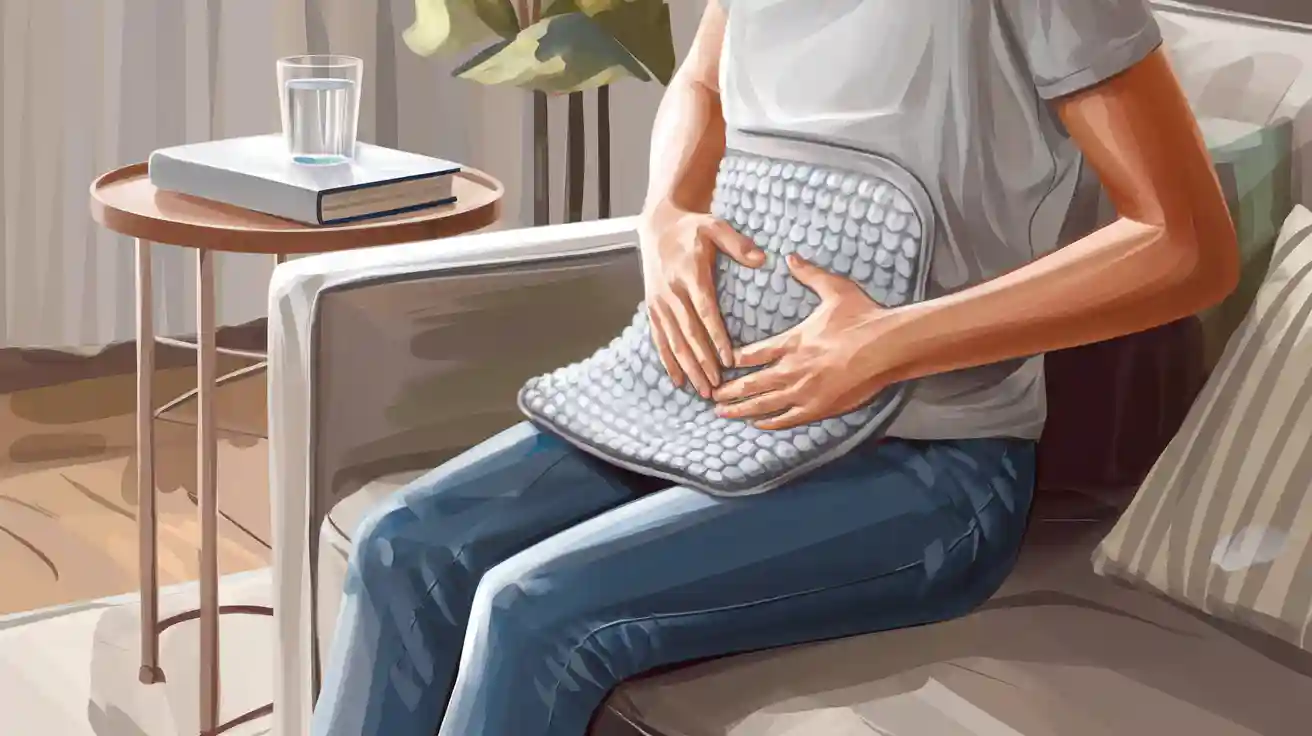
You might ask if a heating pad can help with constipation. Many people want gentle ways to feel better at home. Research shows that heat can help:
A 2024 study found women who used heat packs on their stomachs after surgery had less constipation.
Another study showed women using hot compresses on their lower backs had more regular bowel movements and felt better.
Constipation pain can feel very strong, so a heating pad gives a comforting and helpful choice.
Key Takeaways
A heating pad can help relax your stomach muscles. This can make digestion easier. It may also help with constipation pain. Using a heating pad for 15 to 20 minutes can help cramps. It can also help with discomfort from constipation. Heat therapy is safe and does not use medicine. It can help manage constipation symptoms. Always follow safety rules when using heat. Use a heating pad along with healthy habits. Eat fiber, drink water, and exercise for better digestion. Talk to a doctor if constipation does not go away. See a doctor if you have bad symptoms like rectal bleeding or constant pain.
How Heating Pads Help Constipation

Muscle Relaxation and Digestion
You might ask how a heating pad helps with constipation. Putting a warm heating pad on your stomach can relax your muscles. This makes it easier for your body to digest food. Experts say heat therapy boosts blood flow and lowers muscle tightness. These changes help your bowels move and may ease constipation pain.
Here is a summary of what research says about heat therapy and muscle relaxation:
|
Mechanism |
Effect on Body |
|---|---|
|
Muscle relaxation |
Less muscle tightness and stiffness |
|
Increased blood flow |
Better blood movement in skin and digestive system |
|
Enhanced stretching |
Muscles and tissues become more flexible |
|
Digestive tract effects |
Muscles relax, stool may move easier through bowels |
Studies show that massaging your stomach, which also relaxes muscles, can help you go to the bathroom more often. It can make life better for people with constipation. Techniques like kneading and vibration help your digestive system, just like a warm heating pad does.
Tip: Try using a heating pad for 15 to 20 minutes. It can help relax your stomach muscles and support good digestion.
Easing Constipation Pain
Constipation pain can be sharp or cause cramps. You may feel cramps or discomfort in your lower stomach. Using a warm heating pad can help by relaxing tight muscles and calming the area. Many people say heat therapy helps with constipation pain and makes them feel better.
- Heating pads are used to ease pain from constipation and endometriosis.
- They are the most popular non-drug way to help pelvic pain for all ages.
- Heat and steam on the stomach have been used for years to help comfort and normal bowel movements.
One study found that a special heating sheet on the lower stomach helped people have more regular bowel movements and less pain from constipation. The heat from the pad may also help by gently moving things along in your digestive system.
When to Use a Heating Pad
You can use a heating pad when you feel pain, cramps, or discomfort from constipation. Doctors say heat therapy is good for symptoms of irritable bowel syndrome, which often includes constipation. You can use a warm heating pad, a hot water bottle, or take a warm bath to help with constipation pain and keep your bowels healthy.
Some common times to use a heating pad are:
- After eating, if you feel bloated or constipated
- When you have constipation cramps
- When you want to relax and ease stomach discomfort
- If you want gentle ways to help with constipation
Note: Always follow safety rules and do not use a heating pad for too long. If you have skin problems or heart issues, talk to your doctor before using heat therapy.
Using a Heating Pad Safely

Step-by-Step Guide
You can use a heating pad to help with constipation. Here are some easy steps to follow:
- Find a Comfortable Spot: Pick a quiet place where you can rest. Lie down and get comfortable.
- Place the Heating Pad: Put the heating pad on your stomach. Make sure there is a towel or thin shirt between your skin and the pad.
- Set the Temperature: Start with the lowest heat. Experts say to keep it under 104°F (40°C) so you do not get burned.
- Relax and Breathe: Rest for 15 to 20 minutes. Take slow, deep breaths to help your muscles relax.
- Repeat if Needed: You can use the heating pad more than once a day. Let your skin cool off before using it again.
Tip: Try using a heating pad after eating or when you have cramps from constipation. It can help you feel better and may help you go to the bathroom.
Safety Tips
To keep your skin safe, always follow these tips:
- Do not fall asleep while using a heating pad.
- Always use a towel or thin shirt between the pad and your skin.
- Check the heating pad for any damage before you use it.
- Do not use the pad if it is wet or has wires showing.
- Plug the heating pad into the wall, not an extension cord.
- Keep the pad flat while you use it. Do not fold or bunch it up.
- Stop using the pad if your skin gets red, blisters, or feels like it is burning.
Here is a quick safety chart you can use:
|
Safety Feature |
Recommendation |
|---|---|
|
Max Temperature |
≤ 104°F (40°C) |
|
Session Duration |
15–20 minutes |
|
Material Barrier |
Towel or thin cloth |
|
Storage |
Flat or gently rolled |
Who Should Avoid Heat Therapy
Some people should not use heat therapy for constipation pain:
- Children younger than 2 years old
- People who have diabetes or poor blood flow
- Anyone who cannot feel their skin well
- People with open wounds or skin problems on their stomach
- People with heart disease or who are pregnant (ask your doctor first)
If you are not sure if it is safe, talk to your doctor before using a heating pad.
Other Remedies for Constipation

Medications vs. Heating Pad
There are different ways to help with constipation. Some people use over-the-counter medications like stool softeners. These help your bowel move stool out more easily. Medicines can work fast, but they might cause side effects. The side effects depend on your health. A heating pad is another choice. It does not use drugs. It helps relax your stomach muscles and lowers pain. You do not need a doctor's note to use it. You can use a heating pad at home.
Here is a chart that compares common remedies:
|
Remedy |
How It Works |
Safety |
Side Effects |
|---|---|---|---|
|
Heating pad |
Relaxes muscles, eases pain |
Non-invasive, drug-free |
Rare (skin irritation) |
|
Medications |
Softens stool, stimulates bowel |
Varies by product |
May include bloating, gas, or allergic reactions |
Some medicines for pain, allergies, or blood pressure can slow your bowel. This can make constipation worse. Always ask your doctor before you start a new medicine.
Most people like using heating pads. 94% have no side effects. Only 3.8% would not use one again.
Lifestyle and Home Remedies
You can change some habits to help your bowel work better. Eating foods with fiber, like bran cereal, vegetables, whole wheat bread, and beans, helps you go to the bathroom. Drinking enough water keeps your stool soft. This makes it easier to pass. Moving your body with exercise, yoga, or walks helps your digestion. Getting enough sleep and going to the bathroom when you feel the urge also helps your bowel.
- Nutrition: Eat foods with fiber and skip processed foods.
- Hydration: Drink lots of water every day.
- Exercise: Walk or do yoga to stay active.
- Sleep: Get good rest each night.
- Regularity: Try to go to the bathroom at the same time each day. Do not wait if you feel the urge.
Add fiber to your diet slowly. If you eat too much fiber too fast, you might feel bloated or have gas.
When to Try a Heating Pad
You can use a heating pad if you have cramps or stomach pain from constipation. Doctors often suggest this first. It helps relax your muscles and eases pain. If you want a gentle way without medicine, a heating pad is a good choice. You can use it while waiting for other things, like fiber or water, to work.
Tip: Use a heating pad if you want quick comfort or do not want to take medicine. Many people say it is easy to use and works well for pain and healthy bowels.
When to See a Doctor

Warning Signs
It is important to know when constipation needs a doctor's help. Some symptoms can mean something serious is happening. If you notice any of these warning signs, call your doctor right away:
- Bleeding from your rectum
- Blood in your stool
- Constant pain in your abdomen
- Inability to pass gas
- Vomiting
- Fever
- Lower back pain
- Losing weight without trying
- Symptoms that do not go away with self-care
- Family history of colon or rectal cancer
If you have any of these symptoms, do not wait. Getting help early can stop problems and keep you healthy.
Watch for sudden changes in your bathroom habits. Some symptoms need a doctor right away. The table below shows signs that could mean something serious:
|
Symptom |
What It May Mean |
|---|---|
|
Severe abdominal pain |
Possible bowel blockage or emergency |
|
Uncontrolled vomiting |
Medical emergency |
|
Distended abdomen |
Needs urgent care |
|
Rectal bleeding |
Should be reported to your doctor |
|
Significant changes in bowel habits |
May signal a serious underlying issue |
|
Inability to pass gas |
May indicate a blockage |
|
Blood in the stool |
Requires immediate attention |
Chronic Constipation
You might wonder why chronic constipation is a problem. Chronic constipation means you have trouble going to the bathroom for weeks or longer. You may have hard stools or feel like you cannot empty your bowels. Doctors use the Rome III criteria to diagnose chronic constipation. This means you have fewer bowel movements, hard stools, and feel like you cannot finish.
If you have constipation for a long time, you can get other health problems:
- Hemorrhoids from straining
- Anal fissures, which are small tears around the anus
- Rectal prolapse, where part of the rectum pushes out
- Fecal impaction, a blockage that may need medical help
See your doctor if constipation keeps happening. Getting help early can stop these problems and help you feel better. Knowing when to get help keeps you safe and helps your digestion.
A heating pad is a gentle way to help with constipation pain. It can make you feel more comfortable at home. You can use a heating pad along with healthy habits. Try eating more fiber and moving your body every day. If you still feel bad, talk to your doctor.
Tip: Drink plenty of water and exercise often when you use heat therapy. This can help your digestion work better.
FAQ
Why does a heating pad help with constipation pain?
A heating pad makes your stomach muscles relax. This can help stop cramps and pain. The heat brings more blood to the area. This may help your digestion work better. Many people like using a heating pad at home. They say it is easy and feels nice.
Why should you choose a heating pad over medication for mild constipation?
Some people want to avoid medicine. A heating pad gives gentle help without side effects. You can use it while waiting for food or water changes to help. This way fits into your daily life and brings comfort.
Why is it important to use a heating pad safely?
Using a heating pad the right way stops burns and skin problems. Always put a cloth between your skin and the pad. Only use it for 15 to 20 minutes each time. Check the pad for damage before you use it. Being safe lets you get the good effects without harm.
Why might a heating pad not work for everyone?
Some people have health problems that cause constipation. A heating pad only helps with muscle pain and tightness. If you do not feel better, you might need other help or to see a doctor.
Why should you combine a heating pad with other constipation remedies?
A heating pad helps you feel better, but it may not fix the problem alone. Eating fiber, drinking water, and moving your body help your digestion. Doing all these things together helps you have regular and healthy bathroom trips.