
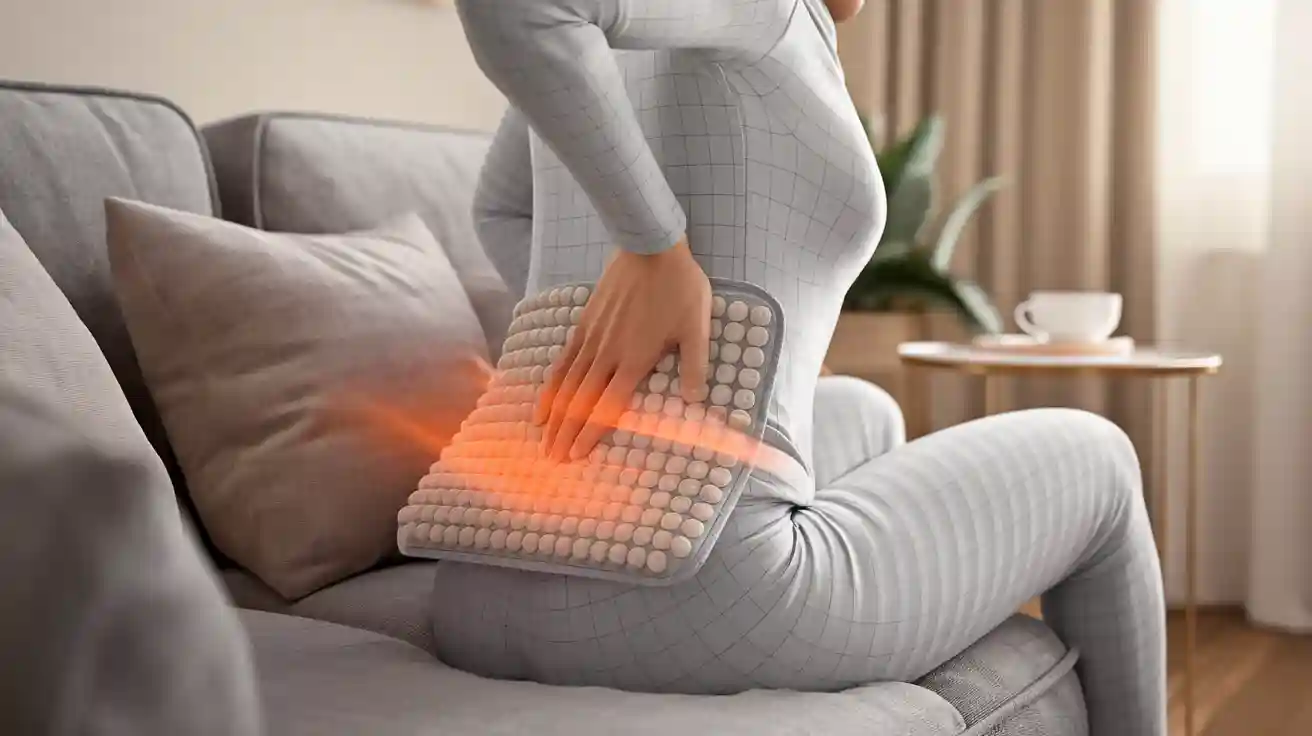
If you struggle with back pain, you might wonder if a heating pad can actually help. Many people do find relief-recent studies show a 17% reduction in pain after using a heated back wrap for just five days:
|
Treatment Type |
Pain Reduction (%) |
Duration (Days) |
|---|---|---|
|
Heated Back Wrap |
17% |
5 |
|
Oral Placebo |
N/A |
N/A |
Heat therapy works in several ways:
- It activates nerve endings that block pain signals.
- It boosts blood flow and metabolism, which helps muscles heal and relax.
- Heating pads are simple and accessible, but you should always listen to your body and use them safely.
Key Takeaways
Heating pads can help lower back pain well. Studies show they give 68% more relief than a fake treatment. Heat therapy helps blood flow better. This brings oxygen and nutrients to muscles. It helps muscles heal and recover faster. A heating pad can make tight muscles relax. This makes moving easier and helps stop stiffness. Always use heating pads in a safe way. Start with low heat and use a cloth between your skin and the pad. Only use it for 15 to 30 minutes each time to avoid burns. Talk to a doctor before using heat therapy if you have some health problems. It may not be safe for everyone.
Heating Pad Benefits

Back Pain Relief
Using a heating pad can help with back pain. Studies show heat wraps work better than some medicines. One study found heat wraps gave 33% more relief than acetaminophen. They also gave 52% more relief than ibuprofen. On the first day, people felt 68% more relief than with a placebo. These results show heating pads help both new and long-lasting back pain.
|
Study Type |
Participants |
Treatment |
Results |
|---|---|---|---|
|
Review |
1117 |
Heat wrap |
Small, short-term improvements in pain and mobility |
|
Prospective |
113 |
Heat wrap vs. acetaminophen |
33% better pain relief with heat wrap |
|
Prospective |
113 |
Heat wrap vs. ibuprofen |
52% better pain relief with heat wrap |
|
Prospective |
95 |
Heat wrap vs. placebo |
68% greater pain relief on Day 1 |
|
Multimodal |
100 |
Heat wrap + exercise |
84% improvement over heat wrap alone, 175% over control |
Tip: The American College of Physicians says to try heat first for new back pain. You can use a heating pad at home for fast and easy relief.
Improved Circulation
A heating pad on your back helps blood flow better. This brings more oxygen and nutrients to your muscles. It helps your body heal and recover. Heat makes blood vessels get wider, so more blood goes to sore spots. Better blood flow also removes waste and chemicals that cause pain.
Heating pads help blood reach lower back muscles. This brings nutrients that help fix tissues.
Good blood flow brings macrophages, which help heal and rebuild tissue.
More blood flow also takes away waste, so you get better faster.
|
Benefit |
Description |
|---|---|
|
Improved Blood Circulation |
Heat therapy enhances blood flow, which is beneficial for recovery and healing. |
There are different heating pads. Some are electric, some are chemical, and some go in the microwave. Each kind keeps heat for a different time. Electric pads can stay warm for up to 30 minutes. Microwavable pads cool down after about 15-20 minutes. Chemical heat wraps can give low heat for many hours, so you can use them while moving around.
|
Heating Pad Type |
Heat Retention Time |
Best Use Scenario |
|---|---|---|
|
Electric |
20-30 minutes |
Home use, adjustable temperature |
|
Microwavable |
15-20 minutes |
Quick relief, portable |
|
Chemical Heat Wrap |
6-8 hours |
On-the-go, long-lasting relief |
Muscle Relaxation
A heating pad warms up your muscles and helps them relax. This makes stiff muscles feel looser and lets you move better. Heat therapy slows down nerve signals, so muscles are less tight and spasm less. Your back may feel less stiff and more bendy after using a heating pad.
- Heat makes nerves less sensitive, so pain signals are blocked.
- It loosens tight muscles and joints, so you can move easier.
- The warmth also helps cells work better, which helps fix tissues and lowers soreness.
Note: Local heat can be used with other treatments for muscle problems. You can use a heating pad with other therapies for better results.
Many studies say heat therapy is safe and does not cost much. You can use a heating pad for daily aches, arthritis, or sore muscles. The benefits are better movement, feeling better, and stronger muscles.
Suitable Back Pain Types
Heating pads can help with many kinds of back pain. You may use heat therapy for muscle strain, chronic pain, or soreness. Knowing your back pain type helps you pick the best way to feel better.
Muscle Strain
Muscle strain is a common reason for back pain. It can happen after lifting, moving fast, or hard exercise. Heating pads are good for muscle strain, especially soon after activity. They make tissues warmer and help blood flow. This helps muscles heal and lowers pain. Studies say hot packs work best for pain from delayed onset muscle soreness (DOMS). You can use a heating pad after working out or a busy day. It helps relax tight muscles and reduce swelling.
Chronic Pain
If you have chronic pain, your back may feel stiff or spasm. This happens in the morning or after sitting a long time. Heat therapy is great for ongoing back pain. It loosens muscles, helps blood move, and eases cramps. Many people like heating pads with adjustable settings for comfort. You can add gentle massage for more relief. Cold therapy is better for sudden injuries. Heat is best for long-term pain.
Heat therapy helps with stiffness and spasms.
Heating pads can ease pain and cramps, more with massage.
Heat loosens muscles and helps blood flow.
Everyday Soreness
Daily life can cause mild back pain from sitting, travel, or stress. Heating pads are easy to use for these problems. You can use a cordless pad on trips or at work. After exercise, heat helps muscles recover. If you feel tense from stress, warmth calms your muscles and mind. For people with sciatica or arthritis, heat can be part of daily pain relief.
|
Benefit |
Description |
|---|---|
|
Improves circulation |
Heating pads help blood flow, bringing nutrients and oxygen. |
|
Reduces muscle pain and stiffness |
Heat therapy helps with spasms and stiffness, so you move better. |
|
Convenient and portable |
Electric heating pads can be used anywhere at home for easy heat therapy. |
|
Adjustable heat settings |
You can change the heat level for your pain needs. |
Tip: If you get back pain from daily life, try a heating pad for 15-20 minutes to see if you feel better.
Heating Pad Safety
Usage Tips
You want to use your heating pad safely and get good results. Here are some easy tips to help you avoid burns and get the most pain relief:
Begin with the lowest heat setting. Raise the heat only if your skin feels okay.
- Put a thin towel or cloth between your skin and the heating pad. This keeps your skin safe from too much heat.
- Do not use a heating pad on broken, numb, or sensitive skin. If you cannot feel the heat, you could get hurt.
- Older adults and kids under 12 can burn more easily. Watch them closely when they use a heating pad.
- Always check your heating pad for cracks or worn cords before using it. Get a new one if it is damaged.
- Keep your heating pad in a cool, dry place when you are done.
Tip: Do not fall asleep with a heating pad on. This helps stop burns and keeps you safe from getting too hot.
Duration Guidelines
You need to follow timing rules to stay safe and help your pain. For small aches or soreness, use your heating pad for 15-20 minutes. If you have chronic pain, you can use it for up to 30 minutes. Always look at your skin for redness or sore spots. Take breaks so your skin can cool down.
|
Condition |
Recommended Duration |
|---|---|
|
Minor tension |
15-20 minutes |
|
Chronic pain |
Up to 30 minutes |
|
Severe soreness |
20-30 minutes |
Note: If you need to use heat longer, pick a pad with an automatic shut-off. This makes it safer for you.
Precautions
You must follow these steps to use a heating pad safely and lower your risk:
Never use a heating pad while sleeping unless it turns off by itself.
Do not use heat on places with swelling, bruises, or inflammation, especially in the first 48 hours after an injury.
Drink water during heat therapy so you do not get dehydrated.
Check your heating pad often for damage.
Do not use heat on open wounds or if you have diabetes, chronic heart failure, or deep vein thrombosis.
|
Health Condition |
Risk Description |
|---|---|
|
Dermatitis |
High heat can cause skin problems like dermatitis or eczema. |
|
Deep vein thrombosis |
Heat can make swelling and pain worse, and may move blood clots, which is dangerous. |
|
Chronic heart failure |
Heat can make heart problems worse and make it hard for your body to cool down. |
|
Diabetes |
Heat can dry out your body and make blood sugar harder to control. |
|
Peripheral vascular disease |
Heat can make this problem worse, but some studies say spa baths may help. |
|
Open wound |
Heat can make an open wound bleed more by bringing more blood to the area. |
|
Severe cognitive impairment |
Some people may forget to turn off the heating pad, which can cause burns or overheating. |
Tip: If you have health problems or worries, talk to your doctor before you start using heat therapy.
When to Avoid Heat Therapy
Acute Injury
Do not use a heating pad right after hurting your back. Your body reacts fast when you get hurt. In the first 6 to 12 hours, heat can make things worse. Heat may cause more bleeding and swelling. Experts say ice is better for new injuries. Ice helps lower swelling and slows inflammation. Doctors say to avoid heat for at least 48 hours after a new injury. This helps your body heal and stops more damage.
Heat can cause more bleeding and swelling soon after injury.
Ice works better for new injuries because it lowers inflammation.
Wait at least 48 hours before using a heating pad on a new injury.
Inflammation
Heat therapy is not good if your back pain has inflammation. When your body heals, the area can get swollen, warm, and sore. Using a heating pad now can make inflammation worse.
When you first hurt your back, your body starts to protect and heal the area. The spot gets swollen, warm, and painful. Heat can bring more blood and make swelling worse. This can slow down healing and make recovery take longer.
If you see redness, swelling, or warmth, use cold therapy. Cold packs help control inflammation and help you heal faster.
Medical Conditions
Some health problems make heat therapy unsafe for back pain. Do not use heating pads if you have any of these:
- Heart problems, like angina
- Scar tissue or thin skin
- Poor circulation or peripheral vascular disease
- Raynaud's disease or cold sensitivity
- Skin problems, like eczema or dermatitis
- History of cancer
- Infection, fever, or open wounds
- Trouble feeling heat, like diabetic neuropathy
- Bleeding problems or injury
- Deep vein thrombosis (DVT)
- Chronic heart failure
- Diabetes
- Severe memory or thinking problems
If you cannot feel heat or tell someone you are in pain, you could get burned or hurt. Always ask your doctor before using a heating pad if you have these problems. Your safety is most important. A doctor can help you find the best way to treat your pain.
Note: If you are not sure about using heat therapy for your back pain, talk to your doctor. They can help you pick the safest and best treatment for you.
Alternatives for Pain Relief
If a heating pad does not work for you, there are other ways to help back pain. Each choice is best for certain pain types or situations. Knowing when to use cold therapy, OTC medications, or lifestyle changes helps you pick what works for your back.
Cold Therapy
Cold therapy is also called cryotherapy. It helps with new injuries and sudden back pain. Use an ice pack in the first 24-48 hours after you get hurt. Cold therapy shrinks blood vessels and numbs the area. This lowers swelling and pain right after an injury.
|
Type of Back Pain |
Recommended Therapy |
Reasoning |
|---|---|---|
|
Acute Back Pain |
Ice first, then heat |
Ice lowers swelling and numbs pain; heat helps healing after swelling goes down. |
|
Chronic Back Pain |
Heat |
Heat helps stiff muscles and brings nutrients for healing. |
|
Posture-related Aches |
Heat |
Heat relaxes muscles and eases stiffness. |
|
Post-exercise Soreness |
Ice |
Ice lowers swelling and tissue damage after exercise. |
Pick cold therapy for sudden injuries, swelling, or after hard exercise. For long-lasting pain or stiff muscles, heating pads are best. Most experts say heat therapy is the top choice for lower back pain.
OTC Medications
OTC medications are another way to help back pain if heat or cold does not work. You can buy these at any drugstore. Each kind works in its own way:
- Acetaminophen (Tylenol): Good for mild or moderate pain. It does not upset your stomach but does not lower swelling. Be careful if you have liver problems.
- Ibuprofen (Advil, Motrin): This NSAID helps with pain and swelling. It can bother your stomach or cause bleeding if you use it a lot.
- Magnesium salicylate: This NSAID helps pain but has a higher risk of bleeding.
Always read the label and talk to your doctor if you have health problems or take other medicine.
Lifestyle Changes
Healthy habits can help with back pain for a long time. Staying active, eating well, and keeping a healthy weight lowers your risk. Eating healthy foods like the Mediterranean diet lowers swelling and helps you lose weight. Regular exercise and physical therapy make your muscles strong and help you move better.
- Physical therapy teaches safe ways to move.
- Healthy foods lower swelling.
- Exercise keeps your back strong.
- Mind-body activities like yoga or tai chi help too.
Adding healthy habits to your back pain plan helps you move better and feel good. Taking care of your daily habits makes a big difference.
For lasting relief, use these tips with safe heating pads or cold therapy. Always ask a doctor for a plan that fits you.
Heating pads can really help with back pain. Studies say 72% of people feel better for three hours after one use.
|
Benefit |
Description |
|---|---|
|
Enhanced Circulation |
Heat brings more oxygen and nutrients to muscles. |
|
Deep Muscle Relaxation |
Heat helps muscles relax and stops spasms. |
|
Effective Pain Management |
Heat makes pain signals weaker. |
|
Improved Flexibility |
Using heat often helps you move easier. |
Here are ways to use heating pads safely: Use a cloth so you do not get burned. Only use the pad for 15-20 minutes each time. Do not sleep with the pad on your back. Always look at your skin after you use it.
If you still hurt or have pain all the time, ask your doctor for help. Heating pads can help you feel better and move more easily.
FAQ
Why does a heating pad help back pain?
A heating pad helps back pain because it increases blood flow and relaxes tight muscles. This process reduces stiffness and helps your body heal faster. You feel less pain because heat blocks pain signals from reaching your brain.
Why should you avoid using a heating pad on new injuries?
You should avoid a heating pad on new injuries because heat can increase swelling and bleeding. Cold therapy works better for the first 48 hours. It reduces inflammation and helps control pain after an acute back injury.
Why is it important to limit heating pad use to 15-30 minutes?
Limiting heating pad use to 15-30 minutes prevents burns and skin damage. Your skin needs time to cool down between sessions. Using heat for too long can cause overheating and increase your risk of injury.
Why do some people prefer chemical heat wraps for back pain?
Some people prefer chemical heat wraps because they provide steady, low-level heat for up to 8 hours. You can wear them under clothes and move around easily. This makes them convenient for daily back pain relief.
Why should you consult a doctor before using heat therapy if you have medical conditions?
You should consult a doctor because some medical conditions, like diabetes or heart problems, make heat therapy unsafe. A doctor can help you choose the safest treatment for your back pain and prevent complications.
Note: Always follow safety guidelines when using a heating pad for back pain. For more information, see sources at the end of this article.[1][2][3]