
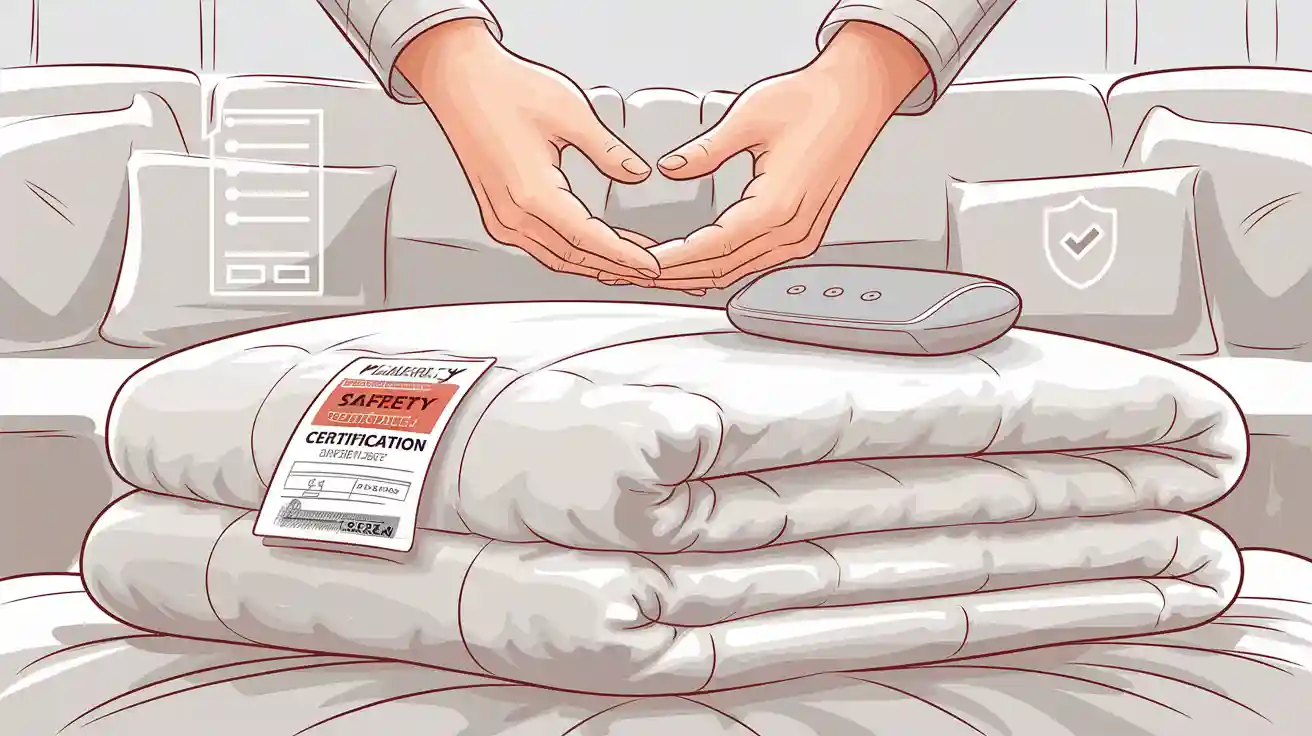
You deserve peace of mind when using an electric blanket at home. Manufacturers design electric blankets safe for everyday use, but safety remains a top priority. Recent recalls show why strict standards matter: Walmart recalled over 8,500 blankets after overheating led to burn injuries and fires; Sunbeam pulled more than 43,000 units due to fire risks; Bedshe International recalled 350,000 blankets following 137 fire reports.
These incidents highlight the importance of choosing certified electric blankets and following manufacturer guidelines for safe use. Look for products with UL, CE, or GS certification, and avoid leaving blankets on unattended or folded during operation. By selecting trusted brands and using them properly, you ensure your electric blanket remains both comfortable and safe.
Key Takeaways
- Choose electric blankets safe with recognized safety certifications like UL or ETL. These marks ensure the product meets strict safety standards.
- Look for essential protections such as overheat sensors and automatic shut-off. These features help keep electric blankets safe and reduce fire risks.
- Inspect your blanket regularly for frayed wires, scorch marks, or uneven heating. Regular checks ensure your electric blankets stay safe over time.
- Store your blanket properly. Avoid folding or bunching it to protect internal wiring and keep electric blankets safe during long-term use.
- Replace your blanket every 5–10 years. Aging products pose higher risks, and updating ensures your electric blankets remain safe.
- Use them with care around children, elderly individuals, and pets. Always supervise and set lower temperatures to keep electric blankets safe for everyone.
- Follow manufacturer washing and care guidelines. Proper maintenance extends the lifespan and ensures your electric blankets stay safe after each wash.
- Register your blanket with the manufacturer to receive recall updates. Staying informed ensures you always keep electric blankets safe at home.
Electric Blanket Safety Features

When you choose an electric blanket, you expect reliable heat and peace of mind. Manufacturers build in advanced safety features to protect you from hazards like overheating, electrical shock, and preventable fires. Let's break down the most important features you should look for.
Overheat Protection
Electric blankets use smart technology to keep heat levels safe and consistent. Overheat protection is a critical feature that makes electric blankets safe, preventing uneven heating and dangerous temperature spikes.
Sensors
Sensors inside the electric blanket monitor heat distribution across the entire surface. These sensors detect when heat rises above safe levels or when uneven heating occurs. If the sensors spot a problem, they trigger the protection system to shut down the heating element. This rapid response helps keep electric blankets safe and reduces the risk of fire.
Key benefits of sensors:
Continuous monitoring of heat output
Immediate response to unsafe conditions
Enhanced protection against hazards, keeping electric blankets safe
Auto Shut-Off
Automatic shut-offs add another layer of protection. This feature turns off the electric blanket after a set period or if the blanket reaches a dangerous temperature. With auto shut-off, electric blankets stay safe even if you forget to turn them off before leaving the room or falling asleep.
Common auto shut-off settings:
2-hour, 8-hour, or custom timers
Temperature-based shut-off for added safety, ensuring electric blankets remain safe
Tip: Always check for automatic shut-off when comparing electric blanket models. This feature is essential for preventing overheating and accidental fires.
Insulation and Wiring
Quality insulation and wiring separate safe electric blankets from risky ones. Manufacturers use specialized materials and construction methods to keep heat inside the blanket and away from you.
Flame-Resistant Materials
Flame-resistant fabrics form the outer layer of many electric blankets. These materials resist ignition and slow the spread of fire, even if exposed to high heat. The strength of these fabrics is measured by their ability to withstand temperatures up to 500°F (260°C) without melting or burning.
Double Insulation
Double insulation surrounds the wiring inside the electric blanket. This design prevents electrical hazards and ensures that heat flows safely through the wires. Manufacturers use several types of insulation materials, each with unique strengths:
|
Type of Insulation Material |
Description |
Specifications |
|---|---|---|
|
Roll Type Blankets |
Versatile, easy to store, custom cut on-site |
Tear-resistant, flame, oil, ozone-resistant |
|
Eyelet Type Blankets |
Flexible, secured with pins or straps |
Suitable for various applications |
|
Low Voltage Blankets |
Economical, minimal risk situations |
Designed for low voltage applications |
|
Insulating Sheeting |
Shock protection near energized lines |
Disposable, precut, used within 6 months |
Manufacturers follow strict standards like IEC 60335-2-17, which applies to household electric blankets with a rated voltage not exceeding 250 V. These standards ensure insulation quality and wiring safety.
Note: Double insulation and flame-resistant materials work together to prevent electrical shock and fire hazards.
Waterproof Design
Waterproofing is another essential safety feature. Electric blankets with waterproof certification protect you from electrical hazards caused by spills or moisture. Manufacturers test these blankets to meet international standards for waterproofing.
|
Region |
Mandatory Certifications |
Waterproof Rating Requirement |
Additional Notes |
|---|---|---|---|
|
North America |
FCC, UL |
Minimum IP67 for waterproof models |
UL certification emphasized for safety |
|
Europe |
CE, GS (Germany) |
Minimum IP67 for waterproof models |
CE certification mandatory |
|
Asia-Pacific |
SAA (Australia) |
Minimum IP67 for waterproof models |
SAA certification noted |
|
Hospitality |
Waterproof Rating |
At least IPX4 |
Lower waterproof rating accepted |
A waterproof electric blanket keeps heat inside and moisture out. This design prevents short circuits and protects you from electrical shock, even if you spill a drink or sweat during sleep.
Why These Features Matter
You want an electric blanket that delivers safe, even heat without risk. Overheat protection, automatic shut-offs, quality insulation, and waterproof design work together to prevent hazards. These features reduce the risk of preventable fires, electrical shock, and overheating. Manufacturers use rigorous testing and certified materials to ensure every electric blanket meets high safety standards.
Choosing an electric blanket with these safety features gives you confidence and comfort every night.
Key Safety Certifications
You want an electric blanket that delivers safe, even heat without risk. Electric blankets safe for home use combine overheat protection, automatic shut-offs, quality insulation, and waterproof design to prevent hazards. These features reduce the chance of preventable fires, electrical shock, and overheating. Manufacturers rely on rigorous testing and certified materials to ensure electric blankets safe meet the highest safety standards.
Choosing an electric blanket with these advanced protections ensures confidence and comfort every night, while keeping your electric blankets safe for long-term use.
UL and ETL Marks
You often see UL and ETL marks on electric blankets sold in the United States and Canada. These marks indicate that the product has passed independent testing for electrical safety and fire resistance. Underwriters Laboratories (UL) and Intertek Testing Services (ETL) are two of the most trusted organizations in North America. Both organizations test products in accredited labs and inspect factories to ensure ongoing compliance. These certifications reassure buyers that they are choosing electric blankets safe for everyday use.
Here is a comparison of the most common certifications for electric blankets safe:
|
Aspect |
UL Certification |
ETL Certification |
CE Certification |
|---|---|---|---|
|
Who Produces The Certifications? |
Underwriters Laboratories, USA |
Intertek Testing Services, USA |
European Union (no third-party required) |
|
Testing Approaches |
Involves thorough testing and periodic inspections |
Includes product photos and compliance checks |
Self-assessment by manufacturers |
|
Regional Acceptance |
Recognized in the US and Canada |
Recognized in the US and Canada |
Required for products in the European Economic Area |
|
Benefits |
Quality assurance, global market access |
Less expensive, quicker to acquire |
Allows distribution in European countries |
|
Limitations |
Expensive, long wait times |
Less popular, relies on UL standards |
Not recognized in the US, potential for manipulation |
Tip: Always look for the UL or ETL mark on the packaging or product label. These marks mean the blanket has passed strict safety tests and meets North American standards.
Certified electric blankets have a much lower rate of safety incidents compared to non-certified products. According to data from UL and Intertek, certified blankets account for less than 1% of reported electric blanket fires, while uncertified or counterfeit products make up the majority of incidents. This clear difference shows why choosing electric blankets safe with recognized certifications is so important. Certified marks like UL, ETL, or CE ensure that your electric blankets remain safe for daily use and meet strict testing standards.
International Standards
If you live outside North America, you will see other certifications on electric blankets. The CE mark is required for products sold in the European Economic Area. In Japan, the PSE certification is mandatory. Each region has its own standards, but all aim to protect you from electrical hazards.
|
Region |
Certification |
Relevant Standards |
|---|---|---|
|
EU |
CE Mark |
EN 60335-1, EN 60335-2-17, EN 55014, EN 61000 |
|
UK |
UKCA Mark |
SI 2016 No. 1091/1101/3032 |
|
US |
UL, FCC, CPSC |
UL standards, FCC certification |
|
Japan |
PSE Certification |
J60335-2-17(H20), JIS C 9335-2-17 |
- UL Certification: Ensures electrical safety and fire resistance for products in the US and Canada.
- CE Certification: Confirms compliance with European safety and health requirements, helping keep electric blankets safe for EU consumers.
- PSE Certification: Mandatory in Japan, ensuring compliance with local safety laws and guaranteeing electric blankets safe for household use.
You should always check for the appropriate certification mark before buying an electric blanket. Certified products undergo regular testing and audits to maintain compliance. This process helps prevent unsafe products from reaching the market and ensures that your electric blankets remain safe over time.
Note: Products without key safety certifications may not meet minimum safety standards. They can pose a higher risk of fire, shock, or malfunction.
Why Certifications Matter
Certifications protect you and your family. They show that the manufacturer follows strict guidelines and submits products for independent testing. Certified products are what make electric blankets safe, offering peace of mind, better reliability, and a proven safety record. When you choose electric blankets safe with key certifications, you are not only ensuring compliance with strict safety standards but also investing in long-term comfort and well-being.
Electric Blankets Safe: Manufacturer Testing
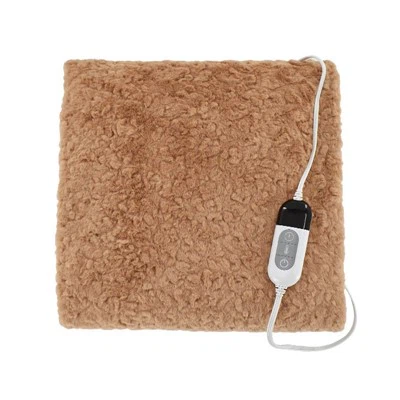
Manufacturers work hard to keep electric blankets safe before you ever bring one home. You want assurance that every electric blanket meets strict safety standards. Factory testing and ongoing product audits help you trust the quality and reliability of your blanket.
Factory Testing
Manufacturers use a series of tests to guarantee electric blankets safe for everyday use. These tests check for flaws, measure durability, and confirm that each blanket performs as expected.
Stress Tests
Stress tests push electric blankets to their limits. You benefit from knowing your blanket can handle daily use and unexpected situations. During stress tests, manufacturers expose blankets to extreme temperatures, repeated bending, and long periods of operation. These tests reveal weak points and help engineers improve designs.
|
Test Type |
Purpose |
Typical Failure Rate (%) |
|---|---|---|
|
Extreme Heat Cycling |
Checks for overheating and insulation failure |
0.5 |
|
Repeated Flexing |
Tests wire durability and breakage |
0.8 |
|
Moisture Exposure |
Assesses waterproofing and short circuit risk |
0.3 |
Industry reports show that less than 1% of certified electric blankets fail stress tests. This low failure rate demonstrates the effectiveness of modern manufacturing and quality assurance.
Fault Detection
Fault detection ensures you receive a safe and functional product. Manufacturers use advanced sensors and inspection systems to catch defects early. You can rely on these systems to identify problems like short circuits, faulty temperature controls, or damaged power cords.
|
Type of Test |
Description |
|---|---|
|
Shell Testing |
Checks for foreign materials and proper thickness throughout the blanket shell. |
|
Heating Element Testing |
Ensures no short circuits, foreign materials, and proper power dissipation in the heating element. |
|
Temperature Control Testing |
Conducted by manufacturers to ensure proper functionality of temperature controls. |
|
Power Cord Testing |
Ensures the power cord meets safety and performance standards. |
|
Fire Safety Testing |
Heating element is enclosed in fire and waterproof insulation to prevent fire hazards. |
|
Final Assembly Testing |
After assembly, blankets are plugged in and observed for flaws and temperature consistency. |
Manufacturers register products with Underwriters Laboratories and follow strict functional testing procedures. These steps help maintain electric blankets safe for consumers.
Product Audits
You want ongoing protection, not just a safe product at purchase. Manufacturers perform regular audits to monitor product quality and safety over time.
Recalls
Recalls protect you from defective electric blankets. If audits or consumer reports reveal a safety issue, manufacturers act quickly. In 2023, industry data showed that less than 0.2% of certified electric blankets required recalls. Most recalls involved overheating or wiring faults, and manufacturers notified customers through official channels.
Tip: Register your electric blanket with the manufacturer. You will receive recall alerts and safety updates if needed.
Product audits and recall processes show manufacturers' commitment to keeping electric blankets safe. You can trust that ongoing quality assurance protects you and your family.
Safe Use and Maintenance
Proper care and regular visual inspection of your electric blanket play a vital role in heating pad safety. You protect yourself and extend the life of your blanket by following these essential steps.

Inspection Tips
Routine checks help keep electric blankets safe by spotting problems before they become hazards. Safety organizations recommend a thorough visual inspection before each use.
Check for Damage
Examine the blanket for cracks or breaks in wiring, plugs, and connectors.
Look for exposed wires, which can lead to electrical shock or fire.
Search for dark, charred, or frayed spots that may indicate scorching or overheating.
Inspect the cord connections for insulation issues or loose fittings.
If you notice a burning smell, unplug the blanket immediately and stop using it.
Tip: Discard any blanket older than 10 years, especially if you find scorch marks, water damage, or exposed wires. Replacing old units helps keep electric blankets safe for long-term use.
Signs of Wear
Check for thinning areas, frayed fabric, or uneven heat distribution.
- Feel for hot spots, which signal internal damage.
- Be alert for discoloration or burnt odors.
- Always inspect the cord where it connects to the blanket and controller.
A quick but thorough visual inspection ensures your electric blankets stay safe. Regular checks reduce the risk of fire and protect your household every time you use them.
Usage Guidelines
You maximize safety and comfort by using your electric blanket correctly. Following these tips helps keep electric blankets safe, while improper use increases the risk of overheating, burns, or electrical faults.
Laying Flat
- Lay the blanket flat during use to prevent bunching or folding.
- Keep the blanket free of heavy objects or obstructions.
- Use the blanket as the top layer to avoid trapping excess heat.
Note: Never run cords under the mattress. This can damage the wiring and compromise the safety of your electric blankets safe for daily use.
Avoid Folding
- Avoid sharp folds, twisting, or bunching, which can damage internal wires.
- Store the blanket loosely rolled or flat to protect the heating elements.
- Handle the blanket gently to minimize wear and tear.
Using lower temperature settings and timers or automatic shut-off features further reduces the risk of overheating. Turn off and unplug the blanket when not in use.
Storage and Care
- Proper storage and cleaning preserve the safety and performance of your electric blanket.
- Wash the blanket only as directed by the manufacturer. Improper washing can damage electrical wiring.
- Start with a clean, dry blanket before storing to prevent mildew or mold.
- Fold the blanket loosely or roll it gently to avoid pressure on internal wiring.
- Store in a cool, dry place away from direct sunlight and heat sources.
Regular maintenance and careful storage help prevent exposed wires, scorch marks, and other hazards. You ensure heating pad safety and extend the lifespan of your blanket by following these best practices.
Callout: Regular visual inspection and gentle handling are your best defenses against fire, electrical shock, and premature wear.
Choosing the Right Electric Blanket
Selecting the right electric blanket means more than just picking a warm cover. You want a product that delivers comfort, reliability, and proven safety. Understanding what sets high-quality electric blankets apart helps you make a confident choice for your home.

Certified Products
You should always look for electric blankets with recognized certifications. These marks show that the product has passed strict testing and meets established safety standards. Certified electric blankets undergo evaluation by Nationally Recognized Testing Laboratories (NRTLs), which ensures that each blanket meets rigorous requirements for electrical safety and performance. Non-certified products do not guarantee the same level of protection, which can lead to risks such as overheating or fire hazards.
Here are the most important certifications to look for:
|
Certification |
Description |
|---|---|
|
ETL |
Tests products to ensure they meet safety standards. |
|
FCC |
Ensures compliance with regulations for electronic goods emitting radio frequencies. |
|
UL |
Indicates testing to nationally recognized safety and sustainability standards. |
Tip: The presence of UL or ETL marks on your electric blanket means you can trust its safety and quality.
- Certified electric blankets are tested by NRTLs to ensure they meet safety standards.
- Non-certified products may lack essential protections, increasing the risk of hazards.
- Safety certifications like UL and ETL indicate compliance with established standards.
Feature Comparison
You want an electric blanket that fits your needs and lifestyle. Comparing features helps you find the best match for comfort, convenience, and safety. Manufacturers offer a range of options, so you should consider the following:
|
Feature |
Description |
|---|---|
|
Fabric |
Choose from fleece, microfiber, or polyester for different levels of softness and warmth. |
|
Controller |
Single or dual controls allow you to adjust heat for one or two users. |
|
Size |
Select a blanket that matches your bed size for optimal comfort. |
|
Heat Settings |
Multiple levels let you customize warmth; dual controls suit couples with different needs. |
|
Timer |
Timed heating adds convenience and saves energy. |
|
Safety Features |
Look for auto shut-off and overheat protection to prevent accidents. |
|
Washing Options |
Machine-washable blankets make cleaning easy and maintain hygiene. |
- Overheat protection and auto shut-off features add an extra layer of safety.
- Soft, breathable materials improve comfort and help prevent overheating.
- Machine-washable options simplify care and extend the life of your blanket.
Cost vs. Value
You may notice a wide range of prices when shopping for an electric blanket. While it can be tempting to choose the least expensive option, you should consider the long-term value. Certified, high-quality electric blankets often cost more upfront, but they deliver better performance, durability, and peace of mind.
- Certified products reduce the risk of fire and electrical hazards, protecting your investment.
- High-quality materials and advanced features ensure consistent warmth and comfort.
- Reliable brands offer warranties and customer support, adding extra value.
Investing in a certified electric blanket means you prioritize your safety and comfort. You gain confidence knowing your blanket has passed strict testing and meets the highest quality standards.
Risks of Old or Damaged Blankets
Fire Hazards
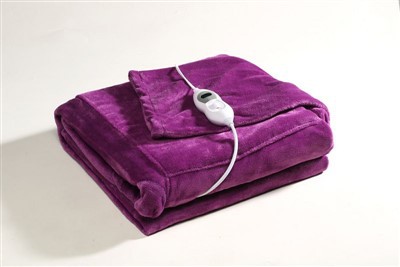
You face serious potential hazards when you use an old or damaged electric blanket. Most fires linked to electric blankets occur in units that are ten years old or older. According to Columbia University, 99 percent of all electric blanket fires result from products that have reached or exceeded this age. Aging wires and insulation degrade over time, increasing the risk of overheating and ignition. You may notice scorch marks, burning odors, or uneven heating-these signs often indicate a fire risk.
Alert: Never ignore visible damage or strange smells. These warning signs signal a high risk of burns or fire.
|
Age of Blanket |
Percentage of Fire Incidents |
|---|---|
|
Under 10 Years |
1% |
|
10+ Years |
99% |
You protect your home and family by replacing old blankets and choosing certified products. Modern electric blankets feature advanced safety mechanisms that minimize fire hazards.
Electrical Shock
You expose yourself to the risk of electric shock when you use a blanket with damaged wiring or insulation. Frayed or exposed wires create a direct path for electricity, especially if the blanket gets wet. Liquid spills, such as water or coffee, can make the situation worse by increasing conductivity. Improper use, such as folding the blanket sharply or ignoring manufacturer instructions, also raises the risk of shock.
- Damaged wiring increases the risk of electric shock.
- Liquid spills create a conductive path for electricity.
- Improper use leads to electrical accidents.
You should inspect your blanket regularly for exposed wires, worn fabric, or inconsistent heating. If you notice any of these issues, stop using the blanket immediately. Certified electric blankets undergo rigorous testing to prevent electrical shock, but older models lack these protections.
When to Replace
You need to know when to replace your electric blanket to avoid potential hazards. Experts recommend replacing your blanket every five to ten years, depending on its condition and performance. Signs that indicate a need for replacement include visible wear and tear, inconsistent heating, and electrical issues. If you see scorch marks, frayed wires, or experience frequent malfunctions, you should replace the blanket right away.
Tip: Replace your blanket if you notice any signs of malfunction or damage. This simple step reduces the risk of burns, fire, and shock.
- Replace every 5–10 years for optimal safety.
- Look for visible wear, inconsistent heating, or electrical problems.
- Immediate replacement is necessary if you detect any malfunction.
You ensure your safety and comfort by choosing certified electric blankets and following replacement guidelines. Modern products offer better protection and reliability, giving you peace of mind.
Real-Life Scenarios and Troubleshooting

Common Issues
You may encounter several issues when using electric blankets, especially if you own an older or uncertified model. Modern certified designs focus on keeping electric blankets safe with advanced features, but older products often lack these protections. Many consumers report problems that can compromise both safety and comfort.
- Fire Risks: Old or damaged wiring is one of the most common hazards. Using a blanket with frayed cords or exposed wires significantly reduces the chances of electric blankets safe operation, increasing the risk of fire and burns.
- Overheating: Improper use, such as folding or bunching, can cause hot spots and burns. Proper handling helps keep electric blankets safe during everyday use.
- Electromagnetic Fields (EMF): Some users worry about EMF exposure, but certified electric blankets meet strict standards that ensure electric blankets remain safe with minimized exposure.
- Internal Wiring Damage: Folding or bunching the blanket can break wires, creating hidden hazards and reducing long-term safety.Regular inspections help identify wear and tear before it becomes dangerous. Checking for scorch marks, frayed fabric, or uneven heating ensures your electric blankets stay safe. Many safety organizations highlight the importance of these routine checks to prevent fires and burn-related accidents.
Tip: Replace any electric blanket that shows signs of damage or is more than ten years old. Certified models feature auto shut-off and overheat protection, reducing the risk of accidents.
Case Study:
A consumer purchased a certified electric blanket with UL certification after experiencing overheating with an older model. The new blanket provided consistent warmth and shut off automatically after eight hours, preventing accidental burns. The user reported greater peace of mind and improved sleep quality.
|
Blanket Type |
Safety Features |
Reported Issues |
Consumer Satisfaction |
|---|---|---|---|
|
Certified (UL/ETL) |
Auto shut-off, sensors |
Minimal |
High |
|
Older/Uncertified |
Basic wiring |
Fire, overheating |
Low |
Safe Use for Kids, Elderly, Pets
You must take extra precautions when using electric blankets for children, elderly individuals, or pets. These groups face higher risks due to their unique needs and limitations.
Overheating can cause discomfort, skin burns, or heatstroke, especially for children and seniors. Young children under three cannot control the blanket or respond if it gets too hot. The elderly may have health conditions that limit their ability to react quickly.
Pets may chew or scratch the blanket, damaging the wiring and increasing fire risk. Heated blankets should never be left unattended around children or pets.
Covering pets with heated blankets can be as dangerous as leaving them in a hot car. You should use regular blankets for pets instead.
Alert: Always supervise electric blanket use with children, seniors, or pets. Choose certified products with automatic shut-off and temperature controls for added safety.
Real-World Example:
A family with young children switched to a certified electric blanket featuring dual controls and an auto shut-off timer. The parents set a lower temperature for their child and monitored usage. They reported no incidents and felt confident in the blanket's safety features.
Checklist for Safe Use:
- Select certified electric blankets with safety features.
- Inspect the blanket before each use.
- Avoid leaving the blanket unattended.
- Set lower temperatures for children and seniors.
- Use regular blankets for pets.
Modern electric blankets deliver reliable warmth and advanced protection. You gain peace of mind and comfort by choosing certified products and following safety guidelines.
You gain peace of mind when you choose electric blankets safe for your home. Manufacturers use advanced safety features, strict certifications, and thorough testing to protect you from risks.
- Select certified products for proven reliability.
- Inspect your blanket regularly and follow usage guidelines to maximize safety.
- Informed choices let you enjoy electric blankets safe and comfortable every night.
FAQ
Why should you choose a certified electric blanket?
Certified products are what make electric blankets safe. They meet strict safety standards, reducing your risk of fire, electrical shock, and malfunction. According to the Consumer Product Safety Commission, certified blankets account for less than 1% of reported electric blanket incidents.
Tip: Always look for UL or ETL marks to ensure your electric blankets remain safe.
Why do electric blankets have auto shut-off features?
Auto shut-off features keep electric blankets safe by preventing overheating and fire hazards. You stay protected if you forget to turn off your blanket. Most certified models include timers that power down after a set period, reducing risks while you sleep or leave the room.
Why is regular inspection of your electric blanket important?
Routine checks help keep electric blankets safe by spotting problems early. You can detect frayed wires, scorch marks, or uneven heating before they become hazards. The National Fire Protection Association reports that most fires involve old or damaged units, showing why inspection is essential.
Why should you avoid folding or bunching your electric blanket?
Folding or bunching damages internal wiring, increasing the risk of hot spots, shorts, and fire. Laying the blanket flat and storing it loosely rolled helps keep electric blankets safe for long-term use.
Why do old electric blankets pose higher risks?
Older units often lack modern safety features, making them less reliable. Studies show that 99% of electric blanket fires involve products over ten years old. Replacing them every 5–10 years helps ensure your electric blankets stay safe.
Why is waterproof certification important for electric blankets?
Waterproof ratings are another way to keep electric blankets safe. Certification protects against electrical shock if spills or moisture occur. Blankets with IP67 or similar standards allow safe use in damp conditions, ensuring peace of mind.
Why should you supervise electric blanket use for children, elderly, or pets?
Children, seniors, and pets are more sensitive to heat and may not react quickly to danger. Supervision, combined with auto shut-off and temperature controls, keeps electric blankets safe for vulnerable users.