
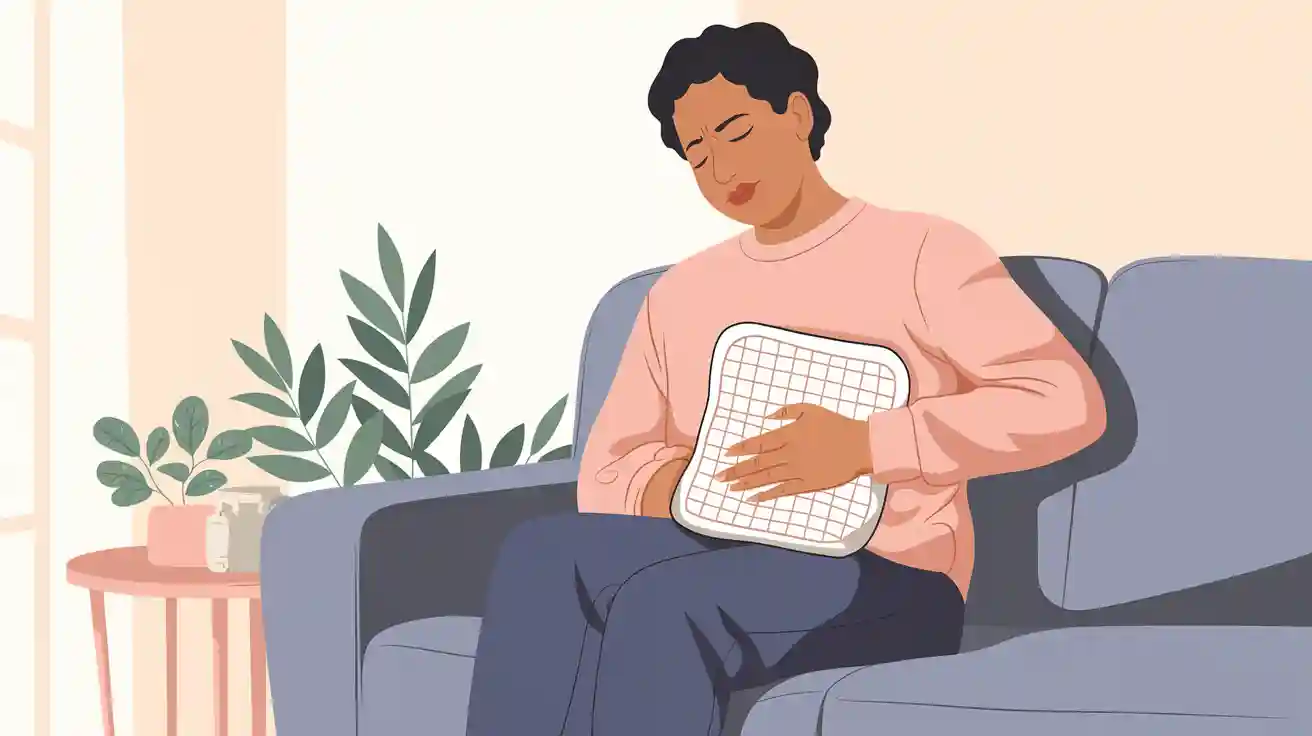
You may find that a heating pad gives you fast relief from gallbladder pain. Applying heat relaxes muscles, improves blood flow, and may ease pressure in the area. This comfort can help with symptoms of a bad gallbladder by reducing spasms and calming inflammation. While a heating pad supports gallbladder health in the short term, it does not treat the underlying problem. Always consider safe use and know when to consult a healthcare provider.
Key Takeaways
- A heating pad can provide quick relief from gallbladder pain by relaxing muscles and improving blood flow.
- Use a heating pad safely by applying it for 20-30 minutes, wrapped in a cloth to prevent burns.
- Heat therapy offers temporary comfort but does not treat underlying issues like gallstones or infections.
- Seek medical attention if pain persists, worsens, or is accompanied by symptoms like fever or jaundice.
- Consider combining heat therapy with other remedies, such as dietary changes or over-the-counter pain relievers, for better results.
Heating Pad for Gallbladder Pain
How Heating Pads Work
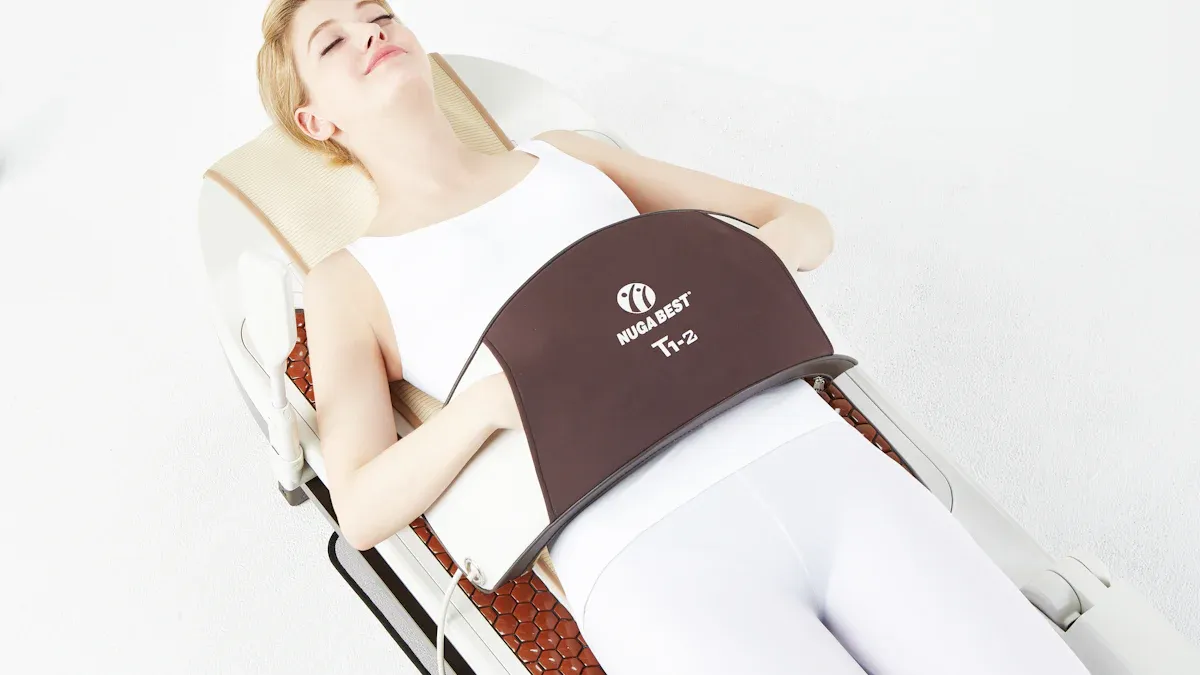
You can use a heating pad to target the area where you feel gallbladder pain. The heat penetrates your skin and relaxes the muscles around your gallbladder. This process improves blood flow and may help ease pressure in the region. When you apply heat, you may notice a reduction in spasms and discomfort.
Heat therapy works by:
- Relaxing tense muscles near the gallbladder
- Increasing circulation to promote healing
- Providing a soothing sensation that distracts from pain
Different types of heating pads exist. You may choose between electric, microwavable, or chemical pads. Electric heating pads offer adjustable temperature settings and consistent heat. Microwavable pads use natural materials like rice or flaxseed and provide gentle warmth. Chemical pads activate with air exposure and suit travel or emergency use. Material strength and durability vary. Electric pads often last longer, while microwavable pads offer flexibility and comfort.
|
Type of Heating Pad |
Material Strength |
Effectiveness |
Usage Scenario |
|---|---|---|---|
|
Electric |
High |
Consistent |
Home use |
|
Microwavable |
Moderate |
Gentle |
Quick relief |
|
Chemical |
Low |
Short-term |
On-the-go |
Benefits for Gallbladder Pain
You may experience immediate comfort when you use a heating pad for gallbladder pain. The heat relaxes muscles and improves blood flow, which can reduce inflammation and pressure. Many patients report relief within minutes of applying heat. If you have undergone gallbladder surgery, you may notice muscular pain near the surgical site. A heating pad can help ease this discomfort, and most people feel better within 5-7 days.
Tip: Place the heating pad over your right upper abdomen for best results. Always use a cloth barrier to prevent burns.
A heating pad does not cure gallbladder disease, but it offers quick relief during acute episodes. You can use it as a supportive treatment while you seek medical advice.
Limitations of Heat Therapy
You should know that heat therapy provides only temporary relief. A heating pad cannot treat the underlying cause of gallbladder pain. If you have gallstones, infection, or severe inflammation, heat may mask symptoms but will not resolve the problem. Overuse of heat can lead to skin burns or irritation. You must limit each session to 20-30 minutes and avoid sleeping with the pad on.
Limitations include:
- Temporary comfort, not a permanent solution
- Risk of burns with prolonged use
- No effect on gallstone removal or infection control
If your pain persists or worsens, you must seek medical attention. Heat therapy works best as a short-term measure while you explore other treatment options.
Fastest Way to Relieve Gallbladder Pain
If you want the fastest way to relieve gallbladder pain, you should use a heating pad or warm compress. These tools help calm a gallbladder attack by relaxing muscles and improving blood flow. Many people find that heat provides quick comfort during a gallbladder attack, especially when pain strikes suddenly.
Applying a Heating Pad Safely
You can follow these steps to use a heating pad or warm compress for gallbladder pain:
- Place the heating pad or warm compress over your right upper abdomen, where you feel discomfort.
- Set the temperature to a comfortable level. Avoid high heat to prevent burns.
- Keep the pad wrapped in a cloth or towel. This barrier protects your skin.
- Rest quietly while the heat works to calm a gallbladder attack.
- Avoid fatty foods during this time, as they may trigger more pain.
- If you need extra relief, ask your healthcare provider about over-the-counter pain medicine.
- Seek medical help if pain lasts, gets worse, or comes with fever, nausea, or yellow skin.
Tip: Use a warm compress when traveling or at work. Chemical pads fit easily in a bag and offer quick relief on the go.
How Long to Use Heat
You should use a heating pad or warm compress for 20–30 minutes at a time. Medical experts recommend this duration to maximize comfort and minimize risk. Heat helps relax the smooth muscles of your bile ducts, which can improve bile flow and reduce pain. Studies show that local heat application leads to significant pain reduction compared to no treatment.
|
Heat Application Type |
Pain Reduction |
Safety Level |
|---|---|---|
|
Local Heat |
High |
Safe |
|
Control Group |
Low |
Safe |
Always check your skin after each session. If you notice redness or irritation, stop using heat and let your skin recover.
Who Should Avoid Heat Therapy
Some people should not use a heating pad or warm compress for gallbladder pain. If you have poor skin sensation, diabetes, or open wounds near your gallbladder, avoid heat therapy. Children and older adults may have sensitive skin and higher risk of burns. If you experience severe symptoms, such as jaundice or persistent vomiting, seek medical care instead of relying on heat.
Note: Heat therapy offers quick relief, but it does not cure gallbladder disease. Always consult your doctor for ongoing pain or repeated gallbladder attacks.
Risks and Precautions
Potential Dangers of Heat
When you use a heating pad for gallbladder pain, you must stay aware of several risks. Burns remain the most common danger, especially if you fall asleep with the pad on or use it at high temperatures. According to hospital data, up to 13% of heating pad users report mild to moderate burns each year. If you have cognitive impairments or cannot sense heat well, you face a higher risk of burns or even electrocution with electric pads. Heat can also worsen swelling and pain if you have deep vein thrombosis or peripheral vascular disease. People with diabetes or chronic heart failure should avoid heat therapy, as it may cause complications.
Common risks include:
- Skin burns or irritation
- Increased swelling in certain vascular conditions
- Masking of serious symptoms, such as infection or gallbladder rupture
- Danger for people with open wounds or poor circulation
Note: Heat therapy can sometimes hide symptoms that signal a medical emergency. Always monitor your body's response.
When to Stop Using Heat
You should stop using a heating pad if you notice any of the following symptoms:
- Skin redness, blistering, or pain at the site of application
- Worsening abdominal pain or swelling
- New symptoms, such as fever, chills, or yellowing of the skin
- Numbness or tingling in the area
If you experience any of these, remove the heat source right away. Persistent or severe symptoms may indicate a serious gallbladder issue that requires immediate medical attention.
When Heat May Worsen Gallbladder Issues
Heat therapy does not suit every situation. If you have an active infection, such as cholecystitis, or suspect a gallbladder rupture, applying heat may delay diagnosis and treatment. Heat can mask symptoms like sharp pain, fever, or jaundice, which often signal a medical emergency. In these cases, you should seek professional care instead of relying on home remedies.
⚠️ Always consult your healthcare provider if you have new or severe symptoms. Quick action can prevent complications and protect your health.
Alternatives for Gallbladder Pain
Other Home Remedies
You have several options for managing gallbladder pain at home. Many people try natural remedies to ease discomfort and support gallbladder health. While heating pads provide quick relief by relaxing muscles, other methods may offer comfort or support overall wellness.
- Apple cider vinegar: Some people add it to water or juice, but no scientific evidence supports its use for gallstones.
- Yoga: Gentle stretching and breathing exercises may help you relax and reduce pain.
- Milk thistle: This herbal supplement supports liver and gallbladder function, though its effect on gallstones remains unclear.
- Artichoke: You can include artichoke in your diet to promote gallbladder health.
- Gold coin grass: Used in traditional Chinese medicine, it may help reduce gallstone formation.
- Castor oil pack: Applying a warm pack to your abdomen may relieve pain, but research is limited.
- Acupuncture: Some patients report less pain and better function after treatment.
Heating pads work well for immediate relief, especially during acute attacks. Non-heat remedies, such as dietary changes and herbal supplements, may help you manage symptoms over time. You should choose the method that fits your lifestyle and comfort level.
Tip: Try gentle yoga or a castor oil pack when you want a natural approach. Use a heating pad for fast relief during sudden pain.
Over-the-Counter Options
You can find several over-the-counter products to help with gallbladder pain. Pain relievers, such as acetaminophen or ibuprofen, reduce inflammation and discomfort. Some people use antacids to ease digestive symptoms, but these do not treat gallbladder problems directly.
|
Option |
Best For |
Usage Scenario |
|---|---|---|
|
Acetaminophen |
Mild to moderate pain |
At home, after meals |
|
Ibuprofen |
Inflammation, pain |
During acute attacks |
|
Antacids |
Digestive discomfort |
With bloating or nausea |
You should follow dosing instructions and avoid using these medicines for long periods without medical advice. Over-the-counter options work best for mild symptoms or as a temporary measure while you seek professional care.
When to See a Doctor
Gallbladder pain sometimes signals a serious problem. You must watch for warning signs that require immediate medical attention. If you notice any of the following, contact your doctor or visit the emergency room:
|
Warning Sign |
Description |
|---|---|
|
Severe Abdominal Pain |
Intense pain in your abdomen that does not improve |
|
Fever |
High temperature, which may indicate infection |
|
Jaundice |
Yellowing of your skin or eyes |
|
Changes in Bowel Habits |
Unusual bowel movements or persistent diarrhea |
Gallbladder attacks often lead to emergency room visits. You should not ignore severe or persistent symptoms. Quick action can prevent complications and protect your health.
⚠️ If you experience severe pain, fever, or yellow skin, seek medical help right away.
A heating pad can quickly ease your gallbladder pain by relaxing muscles and providing comfort. However, it does not cure the underlying issue. You must use heat therapy safely and remain alert for symptoms that require medical attention. When choosing how to manage gallbladder pain, consider these important factors:
|
Factor |
Importance Level |
|---|---|
|
Severity of symptoms |
High |
|
Cost of surgery |
Moderate |
|
Time off work |
Moderate |
|
Shared decision-making |
Critical |
|
Physician recommendation |
High (for surgery) |
|
Research supporting treatment |
High (for surgery) |
You may find relief with a heating pad, rest, and avoiding fatty foods. Over-the-counter pain relievers can help, but always consult your doctor first. If your symptoms persist, worsen, or include fever, nausea, or jaundice, seek medical care right away. Explore all your options and work with your healthcare provider to find the best solution for your needs.
FAQ
Why does a heating pad relieve gallbladder pain?
You feel relief because heat relaxes abdominal muscles and increases blood flow. This process reduces spasms and pressure near your gallbladder. You experience comfort quickly, but heat does not treat the underlying cause.
Source: Mayo Clinic
Why should you avoid using a heating pad for too long?
Extended use increases your risk of skin burns and irritation. You may also mask serious symptoms that need medical attention. Limit each session to 20–30 minutes for safety.
Tip: Always check your skin after use.
Why do some people experience no relief from heat therapy?
You may not feel relief if your pain comes from gallstones, infection, or severe inflammation. Heat cannot resolve these conditions. You need medical evaluation for persistent or worsening symptoms.
Source: Cleveland Clinic
Why is it important to consult a doctor for gallbladder pain?
You must consult a doctor because gallbladder pain can signal serious problems like infection or blockage. Early diagnosis prevents complications and ensures proper treatment.
Source: American College of Gastroenterology
Why do experts recommend combining heat therapy with other treatments?
You achieve better results by using heat therapy alongside medication, dietary changes, or medical procedures. This approach addresses both symptoms and underlying causes, improving your overall health.
Source: Johns Hopkins Medicine
References:
Mayo Clinic, Cleveland Clinic, American College of Gastroenterology, Johns Hopkins Medicine