
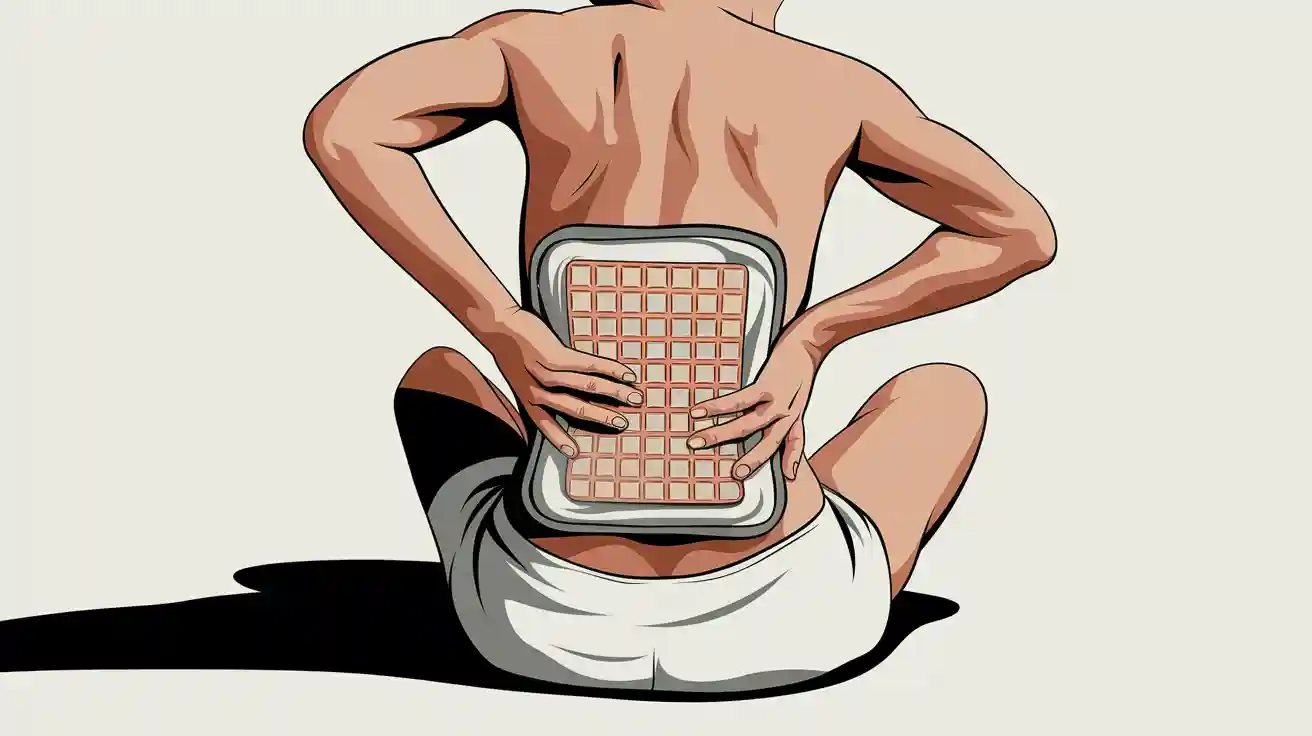
You might feel better from kidney pain with a heating pad. Heat can help calm pain, especially if it is from muscle tension or kidney stones. A 2021 study showed that heat patches lowered pain for people with kidney stones, even if they did not use medicine. How well heat works depends on what causes your pain.
If you do not know why your kidneys hurt, you should be careful and talk to a doctor.
Key Takeaways
- Heating pads can help with mild kidney pain. They work by making blood flow better and relaxing muscles. Use the pad for 20 minutes to feel relief.
- Talk to a doctor if your kidney pain is strong or does not go away. Heat can hide serious problems that need a doctor's help.
- Be careful and put a towel between your skin and the heating pad. Do not use it on skin that is sensitive or when you are sleeping.
- Drink lots of water to keep your kidneys healthy. Water helps your kidneys work well and may lower pain.
- Pick a heating pad that lets you change the heat and turns off by itself. This keeps you safe and comfortable.
Heating Pad Benefits for Kidney Pain
How Heat Relieves Kidney Pain
Using a heating pad for 20 minutes can help with kidney pain. The heat makes more blood flow to your kidneys. This helps your body bring oxygen and nutrients to the area. It can lower swelling and make you feel better.
Many people say heating pads help them feel better fast, especially when pain is not too strong.
Scientists have looked at how heat changes kidney pain and function. Here is a table that shows what two studies found:
|
Study |
Findings |
Implications |
|---|---|---|
|
Ravanelli et al. |
Heat made kidneys work better and lowered albuminuria. |
Heat may help kidneys and lessen pain. |
|
Goto et al. |
Heat stopped kidney damage from high temperatures. |
Heat can protect kidneys and lower pain risk. |
A heating pad is a simple and cheap way to treat kidney pain. It does not cause side effects like medicine does. You do not need a prescription to use it.
Muscle Relaxation and Pain Relief
Kidney pain can get worse if your back or belly muscles are tight. Heat therapy helps these muscles relax. When you put a heating pad on your back, you may feel less tightness and fewer cramps.
Heat therapy loosens muscles near the kidneys and ureters.
It helps relax your lower back and belly.
More blood flow from heat helps your body heal and lowers swelling.
You may move easier and breathe better after using heat.
Many people like heating pads more than other pain relief methods. They work fast and do not upset your stomach. A survey showed over 70% of people were happy with heating pads for kidney pain. They liked them more than cold packs or regular pain medicine.
Kidney Stones and Heat Therapy
Kidney stones can cause very strong pain. A heating pad can help you feel better while you wait for treatment. The heat relaxes muscles near your kidneys and urinary tract. This can make the pain less sharp.
Heat therapy gives comfort and helps distract you from kidney stone pain.
It does not help pass stones or fix the main problem.
Use heat for 20-30 minutes, then stop to protect your skin.
Always talk to your doctor before using a heating pad for kidney stones, especially if you have other health problems.
Heating pads are safer and easier than some other treatments. You can use them at home, and they do not cost much. You do not need a prescription. But remember, a heating pad is just one way to treat kidney pain. You still need to see a doctor for full care.
When to Use a Heating Pad
Mild Kidney Pain
A heating pad can help if your kidney pain is mild. Many people feel pain from kidney stones, small infections, or tight muscles near the kidneys. Heat therapy helps by making blood flow better and lowering swelling. The warmth can help your body relax and make the pain less. For mild kidney pain, you can use a heating pad at home. It is simple and does not cost much. Always watch your symptoms and drink lots of water to keep your kidneys healthy.
Tip: If your pain gets worse or your urine changes, call your doctor.
Muscle-Related Discomfort
Kidney pain can feel like muscle pain in your lower back. You can tell them apart by where the pain is and how it feels. Muscle pain is dull or achy and gets worse when you move. Kidney pain is deeper and may come with problems when you pee. Here is a quick table to compare:
|
Feature |
Muscle-Related Discomfort |
Kidney Pain |
|---|---|---|
|
Location |
In the back muscles, close to the skin |
Deeper in the back, near the lower ribs |
|
Nature of Pain |
Dull, achy, or throbbing |
Deep, steady, can be sharp with stones |
|
Movement Response |
Hurts more when you move or touch |
Stays the same even if you move |
|
Associated Symptoms |
Usually no problems with peeing |
Often causes changes in urine, hurts to pee |
If your pain is from tight muscles, a heating pad can help relax them. It can also lower muscle spasms. This way is easy and you can do it at home.
Waiting for Medical Treatment
You may need to wait for medicine like antibiotics to work. While you wait, a heating pad can help with kidney pain and make you feel better. Heat therapy has many good points:
Relaxes muscles near the kidneys and urinary tract.
Makes blood flow better to help healing.
Gives comfort and helps distract you from pain.
Is safe and does not need surgery or medicine.
Is easy to use and does not cost much.
When you use a heating pad, wrap it in a towel first. Do not put it right on your skin. Do not sleep with the pad on. Start with the lowest heat setting. Watch your symptoms and drink water. If your pain gets very bad or you get a fever, see a doctor right away.
When Not to Use a Heating Pad
Signs of Kidney Infection
Do not use a heating pad if you see signs of kidney infection. Heat can make some infections worse. It can also hide important symptoms. Knowing these warning signs helps you stay healthy. Here is a table to help you spot symptoms that may mean you have a kidney infection:
|
Symptom |
Description |
|---|---|
|
Fever |
High body temperature, often with sweating |
|
Chills |
Shaking or feeling cold, even when warm |
|
Nausea or vomiting |
Feeling sick or throwing up |
|
Pain in lower back or groin |
Discomfort deep in your side or back |
|
Frequent urination |
Needing to pee more often than usual |
|
Pain or burning when urinating |
Discomfort or stinging during urination |
|
Blood or pus in urine |
Unusual color or particles in your urine |
|
Cloudy or foul-smelling urine |
Urine looks unclear or smells bad |
|
Diarrhea |
Loose or watery stools |
If you have any of these symptoms, stop using heat. Call your doctor right away. You may need medicine or other care.
Severe or Persistent Pain
Do not use a heating pad if your pain is very strong or does not go away. Strong pain can mean a serious kidney problem. Heat may help for a short time, but it does not fix the real cause. Using heat can make you wait too long for the right treatment.
Severe pain may mean a blocked urinary tract or a big kidney stone.
Pain that stays can mean infection or kidney damage.
Heat can hide symptoms, so your doctor may not find the cause.
Always get medical help if your pain is very strong or lasts more than a day.
Risks to Kidney Health
Using a heating pad the wrong way can hurt your kidneys. Too much heat or uneven heat can cause burns or kidney injury. Studies show that overheating can damage kidney tissue and cause problems. Here is a table with findings from studies on heating pad risks:
|
Findings |
Implications |
|---|---|
|
Overheating caused kidney damage in animal studies |
Shows that too much heat can hurt your kidneys |
|
Uneven temperature led to severe kidney injury |
Highlights the need for careful temperature control |
|
Prolonged use led to hematuria and segmental kidney damage |
Suggests risk of injury from long heating sessions |
You can also get dehydrated if you use heat for too long. This can make your kidneys work harder. Burns are another danger, especially if you fall asleep with the pad on.
To keep your kidneys safe, use heat only for mild pain. Always follow safety tips.
Safe Use of Heating Pad
How to Use Safely
You can use a heating pad to help manage kidney pain, but you need to follow safe steps. Start by placing a thin towel between your skin and the pad. Set the pad to the lowest comfortable temperature. Place it on your lower back, over the area where you feel discomfort. Limit each session to 20 minutes. Remove the pad if you notice any redness or irritation. Wait at least an hour before using it again. Always stay awake and alert while using the pad.
Tip: Drink water before and after using heat to support kidney health.
Preventing Burns
Burns are the most common problem with heating pads. Each year, about 1,500 people in the United States visit emergency rooms for burns from electric heating pads. On average, 8 deaths per year are linked to heating pad use. Skin burns, called erythema id agne, often happen when you use the pad for too long or at high temperatures. You can avoid burns by checking your skin every few minutes. Never sleep with the pad on. If you feel increased pain, discomfort, or skin irritation, stop using the pad right away.
Do not use the pad on numb or sensitive skin.
Avoid using the pad if you have poor circulation or nerve damage.
Keep the pad away from water to prevent electric shock.
Choosing the Right Heating Pad
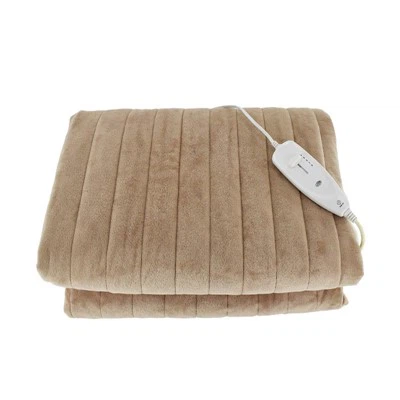
You have many options when choosing a heating pad for kidney treatment. Look for a pad with adjustable heat settings. Choose one with an automatic shut-off feature for extra safety. Pads made from soft, flexible materials fit better on your back. Some pads use moist heat, which can feel more soothing for kidney discomfort. Always read the instructions before first use. Replace your pad if it shows signs of wear or damage.
Note: Monitor for side effects like skin irritation or increased pain. Discontinue use if these occur.
Other Kidney Pain Relief Options
Home Remedies
There are many ways to help kidney pain at home. Drinking water is very important. Water helps your kidneys clean out waste. This can make pain less. You can use medicine from the store. Acetaminophen is safest for your kidneys. Use the smallest amount that works. Do not take more than 3,000 mg in one day. Stay away from NSAIDs like ibuprofen, naproxen, and aspirin. These can hurt your kidneys.
|
Medication |
Safety for Kidneys |
Notes |
|---|---|---|
|
Acetaminophen |
Safe |
Use the lowest effective dose; do not exceed 3,000 mg per day. |
|
Ibuprofen |
Unsafe |
Not recommended for individuals with kidney issues. |
|
Naproxen |
Unsafe |
Not recommended for individuals with kidney issues. |
|
Aspirin |
Unsafe |
Not recommended for individuals with kidney issues. |
You can also try things that do not use medicine. Heating pads give warmth and comfort. Cold packs can help if you have swelling or a new injury. Here is a table that shows how these two ways help:
|
Method |
Benefits |
|---|---|
|
Heating Pads |
Increases blood flow, relaxes muscles, improves flexibility, decreases pain signals, provides comfort |
|
Cold Therapy |
Reduces inflammation, slows pain signals, numbs acute pain, limits swelling |
Medical Advice
It is important to know when you need a doctor for kidney pain. Some signs mean you should get help fast. These signs are:
Pain that stays and does not go away
Back pain with fever or chills
Feeling sick or throwing up so you cannot eat or drink
Urine that looks strange or has blood in it
Pain when you pee
Sudden need to pee or passing kidney stones
Kidney infections need quick care. If you do not treat them, they can cause big problems or even be life-threatening like sepsis.
Supporting Kidney Health
You can do things to keep your kidneys healthy and stop pain from coming back. Studies show changing your lifestyle helps a lot. Eating good food and moving more helps your kidneys work better. Learning about kidney health and getting help from others is also good.
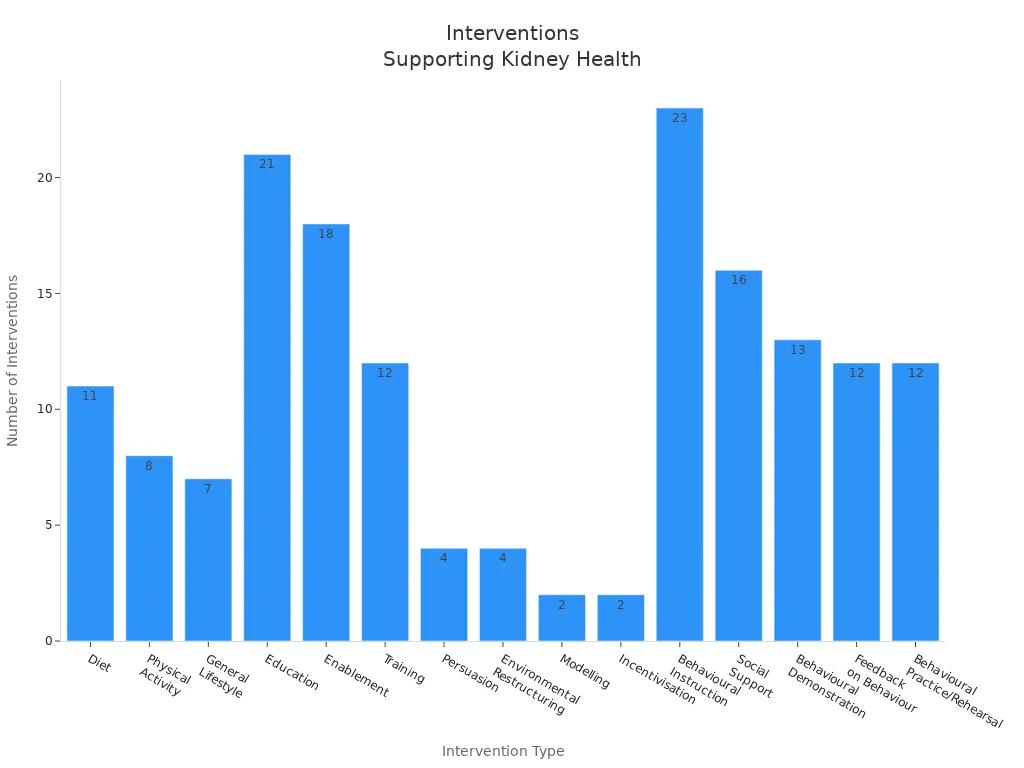
Eat less salt and fewer processed foods.
Exercise often to help blood flow and kidney health.
Learn about kidneys and talk to people who can help.
Make healthy choices and keep track of what you do.
Small changes every day can keep your kidneys safe and lower your chance of pain later.
A heating pad can help you feel better if your kidneys hurt. The heat helps your muscles relax and brings more blood to the area. It can also take your mind off the pain for a while. Always use the heating pad safely and watch for signs that mean you need a doctor.
- Heating pads are a simple and cheap way to help with pain at home.
- Drink plenty of water and only use heat for mild pain.
- Call your doctor if the pain does not go away or gets worse.
- Take care of your kidneys and know when you should get help from a doctor.
FAQ
Why does a heating pad help kidney pain?
Heat helps blood move faster near your kidneys. It also makes muscles relax. This can lower pain and swelling. Studies found heat therapy helps people with kidney stones feel less pain, sometimes by 30%.
Can you use a heating pad for kidney infection?
Do not use a heating pad if you think you have a kidney infection. Heat can make symptoms worse or hide them. If you have fever, chills, or blood in your pee, talk to a doctor.
How long should you use a heating pad for kidney pain?
Use a heating pad for 20 minutes each time. Wait at least one hour before using it again. This helps stop burns and keeps your skin safe. Always check for redness or sore spots.
What type of heating pad works best for kidney pain?
Pick an electric heating pad with adjustable heat and auto shut-off. Soft pads bend to fit your back. Moist heat pads can help you feel more comfortable.
Why should you avoid NSAIDs for kidney pain?
NSAIDs like ibuprofen can hurt your kidneys. Acetaminophen is safer for pain. Use the smallest amount that works. Do not take more than 3,000 mg in one day.
Tip: Always ask your doctor before trying new ways to treat pain.