
You might ask how hot a heating pad gets when your back hurts. Most heating pads get between 104°F and 176°F, based on the type. Electric models usually heat up to 160°F. Microwavable, chemical, and infrared pads can be different. Knowing these temperatures helps you not get burned and pick the right heating pad for back pain. Always look at the product label before you use a heating pad.
Key Takeaways
- Heating pads usually get as hot as 104°F to 176°F. Pick a pad that matches your pain needs. Always read the product label to stay safe.
- There are different heating pads for different uses. Electric pads give steady heat. Microwavable pads work fast. Chemical pads are easy to carry. Infrared pads give deep heat.
- Begin with the lowest heat setting on your heating pad. Slowly turn up the heat to avoid burns. This helps you stay comfortable.
- Always put a cloth between your skin and the heating pad. This keeps your skin safe from direct heat. It also lowers the chance of burns.
- Check your skin often when using a heating pad. Look for redness or pain every 10-15 minutes. This helps you use the pad safely.
Heating Pad Types
Heating pads come in different types. Each type works best for certain needs. You can pick electric, microwavable, chemical, or infrared heating pads. Every type has its own good points and works differently. The next parts will help you see which heating pad matches your life and pain needs.
Electric Heating Pad
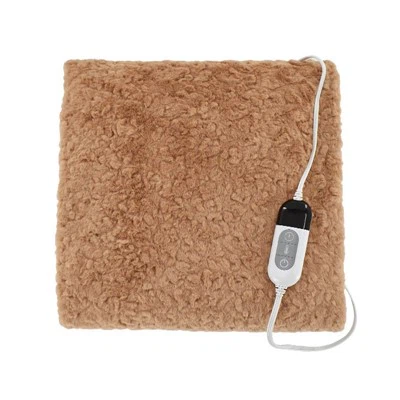
Electric heating pads are common in homes and clinics. They plug into the wall and use coils to make heat. Brands like Sunbeam and PureRelief let you change the heat level. You can pick low, medium, or high heat. These pads help with muscle pain or stiffness. Electric heating pads can get as hot as 160°F. They give steady warmth for a long time. You can use them while watching TV or working. Many reviews say they are easy to use and work well.
Microwavable Heating Pads
Microwavable heating pads have rice, flaxseed, or clay beads inside. You warm them up in the microwave for fast relief. These pads are good for short pain, cramps, or when you need to carry them. Most stay warm for 15 to 30 minutes. Some better ones last longer. You can use them in bed or when you travel. They do not need electricity, so they are safe for kids and trips. Reviews often say they are handy and give soft heat.
Tip: Always check your microwave's power and heating time. This helps you not overheat your microwavable heating pad.
Chemical Heating Pads
Chemical heating pads start working when you squeeze or snap them. You can use them outside, for sports, or in emergencies. These pads heat up fast from a chemical reaction. They usually last 20 to 30 minutes. They are light and you throw them away after use. They are great for hiking or camping. Chemical heating pads do not need power or microwaves. You can trust them anywhere.
Infrared Heating Pads
Infrared heating pads use special technology for deep heat. You can use them for long-lasting pain, arthritis, or sore muscles. These pads send out infrared rays that go deep but do not make the top too hot. Infrared heating pads often let you change settings and set timers. Many reviews say they work well for long-term pain.
|
Type |
Max Temp (°F) |
Heat Duration |
Portability |
Usage Scenario |
|---|---|---|---|---|
|
Electric |
Up to 160 |
Continuous |
Low |
Home, office |
|
Microwavable |
120-140 |
15-30 min |
High |
Travel, quick relief |
|
Chemical |
130-150 |
20-30 min |
High |
Outdoor, emergency |
|
Infrared |
140-167 |
Continuous |
Medium |
Chronic pain therapy |
Think about your pain, where you are, and your daily life before picking a heating pad. Each type is good for different things. Reviews and product info can help you choose.
Maximum Temperature of Heating Pads
If you want a heating pad for back pain, you should know how hot it gets. The highest temperature matters for pain relief and safety. Different heating pads reach different maximum temperatures. Always read the product label and try the pad before using it.
Safe Temperature Range
You need enough heat to help your pain but not burn your skin. Experts say the best maximum temperature is between 104°F and 113°F. This range helps your back pain and keeps you safe from burns. Most heating pads have an average surface temperature in this safe zone. You can use a heating pad for 8–12 hours if the maximum temperature is close to 102°F. If the maximum temperature is higher, use it for less time and check your skin often.
Tip: Test the heating pad's average surface temperature before you use it. Put a towel or cloth on your skin if the maximum temperature feels too hot.
Here is a table with the maximum temperature for popular heating pad models. You can compare the average surface temperature and maximum temperature for each one:
|
Heating Pad Model |
Maximum Temperature (°F) |
Average Surface Temperature (°F) |
|---|---|---|
|
Pure Enrichment XL King Size |
121.3 |
110 |
|
Sunbeam King Size XpressHeat |
116.5 |
108 |
|
Geniani XL |
>115 |
107 |
|
Pure Enrichment XL Back & Neck |
>115 |
106 |
|
Tested Range |
101.2 - 121.8 |
104 - 113 |
Most heating pads for back pain stay in the safe maximum temperature range. The average surface temperature also matters for comfort and safety.
Risks of High Temperatures
Some heating pads can get as hot as 167°F or more. You might think higher maximum temperature helps more, but it can burn or hurt your skin. If you use a heating pad with high maximum temperature, watch your skin closely. The average surface temperature can go up fast, especially if you use the pad for a long time.
Follow these safety tips when using a heating pad with high maximum temperature:
- Start with the lowest maximum temperature setting.
- Test the average surface temperature with your hand first.
- Use a towel or extra layer to protect your skin.
- Check your back every 10–15 minutes for redness or pain.
- Never use a heating pad on numb areas of your back.
- Watch how your skin reacts to the maximum temperature to avoid burns.
- Use towels to protect your back from high maximum temperature or wet packs.
- Always test the heating pad's average surface temperature before you use it.
When you use a heating pad for back pain, balance the maximum temperature and average surface temperature. Too much heat can hurt your back. Too little heat may not help your pain. Most heating pads let you change the settings, so you can control the maximum temperature and average surface temperature. Pick a heating pad that works for you and keeps your back safe.
Note: Heating pads with deep heat technology like infrared models can reach a maximum temperature of up to 167°F. These pads help deep tissues in your back, but you must be careful. Always follow the instructions and check the average surface temperature before you use the pad.
You can find heating pads with different maximum temperature levels for back pain. Some pads have a maximum temperature of 104°F for gentle relief. Others go up to 176°F for deep pain relief. The average surface temperature changes by model and setting. Always pick a heating pad with a safe maximum temperature and watch your back while you use it.
Heating Pad Settings

Low, Medium, High Settings
Heating pads have low, medium, and high heat settings. These settings help you pick how warm you want it to be. Manufacturers give you choices because your pain and comfort change. You need to adjust the heat for what you feel each day.
Most electric heating pads have at least three heat settings. If you want gentle warmth, start with low heat. Medium heat is good for muscle stiffness or moderate pain. High heat helps when your pain is strong. You can try each setting to see what feels best.
Tip: Begin with the lowest heat setting. Turn up the heat slowly until you feel comfortable.
Electric heating pads keep the heat steady. The heat settings do not change quickly. You can trust the pad to stay at the level you pick. You can change the heat setting to match your pain.
Temperature Differences
Each heat setting gives a different temperature. Low heat is usually between 104°F and 113°F. Medium heat is often 120°F to 130°F. High heat can reach 160°F or more, depending on the pad.
Here is a table with the usual temperature ranges for each heat setting:
|
Heat Setting |
Temperature Range (°F) |
Best Use Case |
|---|---|---|
|
Low |
104 - 113 |
Mild pain, relaxation |
|
Medium |
120 - 130 |
Muscle stiffness |
|
High |
140 - 160+ |
Severe pain |
Your skin feels each temperature in a different way. High heat can cause burns or make your skin sore if you use it too long. Low and medium heat are safer for longer use.
Electric heating pads give steady and accurate heat. The heat setting you pick will stay the same. This helps you control pain safely. You can change the heat setting for your comfort and pain level.
Note: Always check the heat setting before you use your heating pad. If you feel too hot, lower the heat or put a towel between your skin and the pad.
Heat settings let you choose how you want to feel better. You control the temperature, how long you use it, and how strong the heat is. This makes heating pads helpful for pain at home.
Factors Affecting Heating Pad Temperature
When you use a heating pad for your back, several factors can change how hot it gets. You need to know these details to get the best results and avoid burns. Let's look at how brand, model, age, and environment affect the temperature of your heating pad.
Brand and Model
Different brands and models heat up in unique ways. Some heating pads reach higher temperatures, while others warm up more slowly. You should compare models before you buy one for your back. The table below shows how four popular brands perform:
|
Brand/Model |
Maximum Temperature (°F) |
Average Temperature Decrease (°F) |
Heat-Up Time (minutes) |
|---|---|---|---|
|
Pure Enrichment |
123 |
5 |
13-14 |
|
Sunbeam XpressHeat |
120 |
6 |
13-14 |
|
Doneco |
129 |
5 |
15 |
|
Theratherm |
122 |
1 |
16-17 |
You see that Doneco heats up the most, while Theratherm keeps its temperature steady. If you want fast relief for your back, Pure Enrichment and Sunbeam XpressHeat heat up quickly. Some models lose heat faster, so you may need to adjust the pad or change settings during use.

Tip: Always check the product details and reviews before you choose a heating pad for your back. The right brand and model can make a big difference in comfort and safety.
Age and Condition
The age and condition of your heating pad matter. Old pads may not heat up as well. Worn wires, broken covers, or faded controls can lower the temperature. If you notice your back does not feel as warm, your heating pad may need replacing. New pads work better and keep your back safe. You should inspect your pad often for damage or wear.
- Check for frayed cords or loose connections.
- Replace your heating pad if it does not heat evenly.
- Clean your pad as directed to keep it working well.
Environment
Where you use your heating pad affects its temperature. Cold rooms, drafts, or thick blankets can change how much heat reaches your back. If you use your heating pad outside or in a chilly space, it may not feel as warm. You should use your pad in a warm, dry room for best results. Avoid placing heavy covers over the pad, as this can trap heat and cause burns.
- Use your heating pad on your back in a comfortable room.
- Keep the pad flat and avoid folding it.
- Adjust your clothing or bedding to control heat flow.
You control many factors that affect your heating pad's temperature. By choosing the right brand, keeping your pad in good shape, and using it in the right environment, you help your back feel better and stay safe.
Best Heating Pad Safety Tips
Usage Guidelines
You want the best heating pad to help with sore muscles and back pain. Using a heating pad safely means following simple steps every time. Start with the lowest setting. You can increase the heat slowly if you need more relief. Always check your skin after a few minutes. If you see redness or feel discomfort, remove the pad right away.
Many people use heat therapy for sore muscles after sports, work, or long days. You should limit each session to 15–30 minutes. This reduces the risk of burns and keeps your skin healthy. If you use the best heating pad for longer periods, take breaks and check your skin often. Children, older adults, and people with sensitive skin need extra care. Place a thin towel between your skin and the heating pad for extra protection.
Tip: Never fall asleep with a heating pad on your body. Set a timer or use a pad with an automatic shut-off feature.
Here is a quick guide for safe use:
- Start with the lowest heat setting.
- Use a timer for each session.
- Place a cloth barrier between your skin and the pad.
- Check your skin every 10–15 minutes.
Preventing Overheating
Overheating can cause burns and skin injuries. You need to monitor the temperature settings on your best heating pad. Most modern pads have safety features like auto shut-off and adjustable heat levels. Choose a pad with these features for safer heat therapy.
If you use heat therapy for sore muscles, avoid high heat for long periods. Sensitive areas, such as your back or joints, can burn easily. Always test the pad with your hand before placing it on your skin. If the pad feels too hot, lower the setting or add another layer of fabric.
|
Safety Feature |
Benefit |
Recommended For |
|---|---|---|
|
Auto Shut-Off |
Prevents overheating |
Night use, busy users |
|
Adjustable Settings |
Controls heat level |
All users |
|
Timer Function |
Limits session duration |
Children, seniors |
You get the best heating pad experience by following these safety tips. Protect your skin, enjoy heat therapy, and relieve sore muscles without worry.
You need to know how hot your heating pad gets to protect your back and get the best results. Most heating pads reach between 104°F and 176°F, but you should start at the lowest setting and check your back often. Picking the right heating pad helps you target pain and avoid burns. For safe use, remember these tips:
- Always stay awake when using a heating pad on your back.
- Inspect your heating pad for damage before each use.
- Place a cloth between the pad and your back.
- Drink water to keep your back comfortable during heat therapy.
- Increase the temperature slowly and check your back for redness.
- Never use a heating pad on broken skin or sensitive areas of your back.
- Let your heating pad cool before storing it and check for wear.
- By following these steps, you keep your back safe and make heat therapy more effective.
FAQ
Why does my heating pad feel less hot over time?
Heating pads can get cooler as they get older. Worn wires or broken covers make them lose heat. The environment can also change how warm your pad feels. You should check your heating pad often. If it does not get warm or heats unevenly, replace it.
Why should you start with the lowest setting on a heating pad?
Starting with the lowest setting helps keep your skin safe. You can turn up the heat slowly if you need more warmth. This way, you avoid burns and skin problems. It is better for sensitive skin and helps with pain.
Why do heating pads have auto shut-off features?
Auto shut-off keeps you safe from overheating. It stops the pad after a set time. This lowers the chance of burns during long use. Manufacturers add this feature to meet safety rules and help users.
Why is it important to use a cloth barrier with a heating pad?
A cloth barrier keeps your skin safe from direct heat. It helps stop burns and makes you more comfortable. Kids, older people, and those with sensitive skin need this extra protection.
Why do different heating pad types reach different maximum temperatures?
Electric, microwavable, chemical, and infrared heating pads heat up in different ways. Each type has its own maximum temperature because of how it is made. Pick the type that fits your pain and safety needs.
Note: Always read the product label and follow the instructions from the manufacturer to use your heating pad safely.