
Heating Pad Belt: Cut Procurement Risk, Speed Delivery, Lower TCO
Heating Pad Belt: practical warmth with certified safety, predictable logistics, and scalable private-label options for retail, EPC, distributors, and e-commerce sellers.
Heating Pad Belt Introduction - Why it matters
If you manage sourcing for retail health, workplace wellness, or online consumer categories, a Heating Pad Belt line must be safe, consistent, and scalable. Buyers need certified adapters and materials. Engineers need stable temperature control and uniformity. Operations teams need predictable lead times and tight AQLs. This guide explains how a heating pad belt works, which variants fit each use case, what specifications and tests to request, and how to accept bulk shipments with confidence.
Follow this route: principles → types → features/specs → applications → selection/matrix → compliance → FAQ → conclusion & next steps.
Heating Pad Belt Principles - How a Heating Pad Belt works

Heating Pad Belt Core components / mechanism
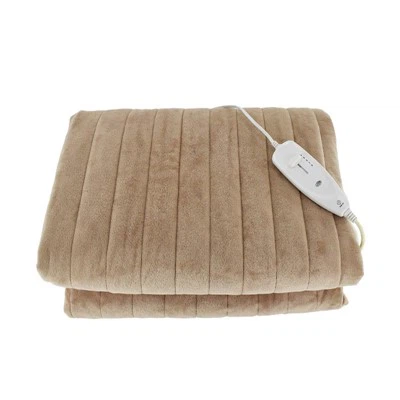
A Heating Pad Belt converts electrical energy into controlled heat across a flexible surface that wraps the waist, back, or abdomen.
- Heating element: PTC film (self-limiting), nichrome wire, or carbon-fiber fabric. PTC lowers burn risk. Wire and carbon fabrics warm fast with proper control.
- Controller: Inline or digital module regulating temperature and time; better designs add auto-off and over-temperature protection (OTP).
- Sensors & safety: NTC thermistors feed back temperature; a thermal fuse is the last-resort cutoff.
- Cover & strap: Soft liner, removable cover, and a wrap/Velcro® belt focus heat and free the hands.
- Power: AC adapter, USB 5 V, or integrated battery; each path dictates wattage, ramp speed, and runtime.
Heating Pad Belt Key performance metrics & units
- Wattage (W): ≈ 8–45 W depending on platform and size.
- Surface temperature (°C/°F): useful band ≈ 40–60 °C (104–140 °F).
- Ramp-up time (min): 2–5 minutes is a solid target.
- Uniformity (ΔT): spread variation; aim ≤ ±3–5 °C.
- Auto-off (min): 30–90 minutes; common retail policy.
- Ingress protection: washable or splash-resistant builds may carry IPX claims.
- EMC: low interference from controllers for CE/FCC compliance.
Heating Pad Belt Common failure modes & misconceptions
- "Higher watt is always better." Not true; excess wattage without control raises risk and fails safety.
- Hot spots: poor element layout or thermistor placement; solved with thermal mapping and layout SOPs.
- Controller drift: cheap controllers misread after aging; burn-in and calibration are needed.
- Fabric/strap fatigue: require abrasion targets and cycle tests for hook-and-loop.
- USB myths: many USB belts need stable 5 V/2 A or PD; verify before mass order.
Heating Pad Belt Controller architecture & firmware states
Production controllers cycle through four states: Idle → Ramp → Hold → Protect. Ramp uses PWM to limit overshoot. Hold uses NTC feedback to maintain setpoint. Protect locks out on OTP or sensor faults. Premium modules provide "soothing" curves for a menstrual heating pad belt and "boost" curves for a back heat pad belt in cold environments.
Heating Pad Belt Sensor mapping & uniformity engineering
Thermistor positioning sets how the controller "sees" heat. Single-point designs rely on a ΔT model and spreader layer; multi-point zones reduce local overheat in premium heating pad with belt builds. PTC elements add passive self-limiting to reduce risk at lower BOM.
Heating Pad Belt Thermal pathway & materials stack
A typical belt heating pad stack: heating element → thermal spreader → insulation → soft liner → removable cover → wrap strap. The right balance gives the same perceived warmth at a lower setpoint, extending battery runtime and comfort.
Heating Pad Belt Types - Variants & naming
Heating Pad Belt Type A: AC electric heating pad belt
Definition: mains-powered with adapter and multi-level control. Use: home/clinic. Pros: strong heat, stable power, rich features. Cons: tethered; plug variants. Specs: 25–45 W; 40–60 °C; 60–90 min auto-off.
Heating Pad Belt Type B: USB portable heating pad belt
Definition: 5 V heating pad with belt for travel/desk. Use: office, gifts. Pros: portable; universal connectors. Cons: limited peak heat; source quality matters. Specs: 8–12 W; 38–50 °C; 30–60 min timer.
Heating Pad Belt Type C: Battery/rechargeable heated waist belt
Definition: integrated battery heated belt. Use: outdoor/mobile workers. Pros: true cordless. Cons: battery compliance adds time/cost. Specs: 10–20 W; 1.5–4 h runtime.
Heating Pad Belt Type D: Menstrual & maternity focus
Definition: narrower temperature band and softer liners for sensitive users (heating pad belt for cramps, period heating pad belt). Specs: 40–50 °C; 30–60 min auto-off.
Heating Pad Belt Type E: Massage + heat combo belt
Definition: heated massage belt with vibration. Pros: differentiated value; higher ASP. Cons: tougher EMC and durability validation. Specs: 10–20 W + 2–4 massage modes.
Heating Pad Belt Type F: "Sauna belt" style
Definition: larger coverage for wrap-around warmth; avoid medical slimming claims. Specs: 20–35 W; sweat-tolerant covers.
Heating Pad Belt Type G: Brewing/fermentation heat belt
Definition: fermentation heating belt for vessels; non-skin use. Specs: 8–25 W; steady 20–30 °C bands; moisture-resistant.
| Type | Use case | Pros | Cons | Typical specs |
|---|---|---|---|---|
| A AC Heating Pad Belt | Home/clinic | Strong heat; rich features | Tethered; plug variants | 25–45 W; 40–60 °C; 60–90 min |
| B USB heat pad belt | Office/travel | Portable; universal power | Lower peak heat | 8–12 W; 38–50 °C; 30–60 min |
| C Battery heated waist belt | Outdoor/mobile | Cordless; premium UX | Battery compliance cost | 10–20 W; 1.5–4 h |
| D Menstrual focus | Cramps/postpartum | Gentle; narrow band | Lower peak | 40–50 °C; 30–60 min |
| E Massage + heat | Office/relax | Multi-function | EMC & durability harder | 10–20 W + massage |
| F Sauna-style | Wide coverage | Strong body feel | Sweat/ΔT challenge | 20–35 W |
| G Fermentation belt | Brewing vessels | Stable temp band | Not for skin | 8–25 W; moisture-resist |
Heating Pad Belt Features & Specs - What to look for
Heating Pad Belt Critical specs
| Spec | Value | Test method | Standard |
|---|---|---|---|
| Input & Wattage | AC 100–240 V; 8–45 W | Power meter; load test | IEC/EN 60335-1; 60335-2-17 |
| Surface Temp | 40–60 °C adjustable | Thermocouple grid | IEC/EN 60335-2-17 |
| Temp Uniformity (ΔT) | ≤ ±3–5 °C | Thermal imaging | Factory SOP (TBD) |
| Auto-off | 30–90 min | Functional test | Retail spec / IEC guidance |
| OTP & Thermal Fuse | OTP < 75 °C internal | Fault injection | IEC/EN 60335-1/-2-17 |
| Strap Strength | ≥ 1000 open/close cycles | Cycling rig | Factory SOP (TBD) |
| Fabric Abrasion | ≥ 10,000 rubs | Martindale | ISO 12947 |
| EMC (controller) | Pass Class B | EMC chamber | CE EMC 2014/30/EU; FCC Part 15B |
| Chemical Safety | RoHS / REACH compliant | 3rd-party lab | RoHS 2011/65/EU; REACH |
| Battery Safety (if any) | UN38.3 / IEC 62133-2 | Pack test | UN/DOT; IEC 62133-2 |
| Washability | Hand-wash or IPX splash | IPX splash test | IEC 60529 (if claimed) |
Heating Pad Belt Quality controls & test methods
A robust Heating Pad Belt program follows a simple QA ladder: IQC → process control → aging → environmental → electrical → functional → packaging ISTA.
| Stage | Sample size | What is checked | Pass criteria |
|---|---|---|---|
| IQC | AQL per lot | Element resistance, NTC value, RoHS | Within tolerance; XRF pass |
| In-process | Hourly | Controller output; lamination temp logs | Stable output; logs complete |
| Aging | 100% pilot; AQL mass | 3-cycle heat test | No drift; no OTP trips |
| FQC | AQL | Visual, function, timer, ΔT | Spec match; neat stitching |
| OBA/Pre-ship | Tight AQL | Random carton open & test | 0 major; ≤ AQL minor |
Heating Pad Belt Cost & TCO drivers
PTC film lowers claim risk. Better firmware and clearer UI cut misuse returns. Premium liners and stronger seams extend life in rental/clinic fleets. Compliance and pack tests add upfront cost yet unlock major retailers. Retail box vs bulk affects freight density and damage rate. Repeat orders spread certification and tooling across units.
Value example: At 80,000 AC units/year, upgrading to PTC, tighter ΔT, and unified IFU cuts returns from 3.2% → 1.0% and after-sales from $3.9 → $2.1 per unit. Packaging density and corner protection reduce breakage from 0.6% → 0.25%. The net annual benefit outweighs a modest BOM increase.
Heating Pad Belt Applications - Where a Heating Pad Belt fits
Heating Pad Belt Retail health & wellness (consumer)
Placement: back/waist-care aisle; bundle with braces or topical creams. Problem → Solution: safe relief for cramps and fatigue; a period heating pad belt with auto-off and washable cover solves it. Impact: upsell lifts basket size.
Heating Pad Belt Corporate & industrial (mobile staff)
Placement: field kits for cold-room staff, dock crews, riders. Solution: a portable heating pad belt stabilizes core warmth, reducing breaks. Impact: fewer cold-related delays.
Heating Pad Belt Clinical & rental programs
Placement: physiotherapy, elder-care, postpartum centers (local rules apply). Solution: AC units with robust straps and removable liners; controller "lock" functions reduce misuse. Impact: reusable belts cut disposable pack spend.
Heating Pad Belt E-commerce private-label bundles
Scenario: bundle a heating pad with belt + pouch + wellness add-ons. Pitfall → Fix: SKU complexity causes mis-shipments; map fabric/color to region codes and barcodes. Impact: AOV increases with lower negative reviews.
Heating Pad Belt Breweries & home fermentation (non-skin)
Scenario: winter fermentation needs stable temperature bands. Solution: a fermentation heating belt with a thermostat and wrap strap maintains 20–30 °C. Impact: fewer failed batches.
Heating Pad Belt Workplace wellness programs
Scenario: cold-chain and shift teams. Solution: standardized heated belt kits with runtime targets, charging SOP, and a spare parts bin. Impact: attendance and satisfaction improve.
Heating Pad Belt Selection Guide - How to choose
Heating Pad Belt Decision matrix
| Requirement | Recommended type/spec | Rationale |
|---|---|---|
| Highest heat & features (home/clinic) | AC Heating Pad Belt, 25–45 W, 3–6 levels, 60–90 min auto-off | Strong output, stable power, rich safety |
| Desk/travel | USB heat pad belt, 5 V/2 A, 2–3 levels | Universal power, compact, cost-effective |
| Outdoor/mobile workers | Battery heated belt, 10–20 W, 1.5–4 h | Cordless mobility with controlled warmth |
| Sensitive skin & safety | PTC element, ΔT ≤ ±3 °C, thermal fuse | Even heat, self-limiting behavior |
| Easy cleaning | Washable cover or IPX splash | Hygiene and lower returns |
| Retail compliance | EMC pass; clear labeling; multi-language IFU | Faster listing approvals |
| Menstrual comfort | D-type belt, 40–50 °C, soft liner | Gentle warmth in a narrow band |
| Massage value add | E-type heated massage belt | Differentiated positioning and pricing |
| Fermentation control (non-skin) | G-type fermentation belt | Stable thermal band for vessels |
Heating Pad Belt Acceptance checklist (delivery/acceptance)
- Model/part matches PO; unit/carton labels correct.
- Voltage/plug by region; adapter markings visible.
- IFU and warnings included; auto-off verified.
- Temperature levels measured at 10 minutes; ΔT within spec.
- OTP and fuse confirmed; timer deviation ≤ ±10%.
- Stitching and strap neat; strap cycle sample ≥ target.
- RoHS/REACH declarations and lab reports archived.
- CE/FCC marks (and UKCA if needed); battery docs if any.
- ISTA packaging passed; barcodes/SKUs verified.
- Random wash/splash test if washable claim printed.
- Spare parts policy (controllers/covers/straps) 1–2%.
Procurement go-live information: MOQ 500–1,000 for OEM color/box; 100–300 for neutral stock. Lead time 25–35 days first order; 15–25 days repeat; +7–10 days if batteries. Packaging: single retail box + multi-language IFU or bulk eco-pack; outer carton with PO/SKU/region code. QC: IQC → in-process → aging → FQC → OBA; optional 3rd-party inspection. Warranty: 12-month workmanship coverage unless specified.
Heating Pad Belt Compliance & Standards
Known frameworks only; uncertain items marked TBD.
- IEC/EN 60335-1 & 60335-2-17 (household/similar; heating pads/blankets)
- CE under LVD 2014/35/EU and EMC 2014/30/EU (EU)
- RoHS 2011/65/EU and REACH (materials)
- FCC Part 15B for controllers (U.S.)
- UL/NRTL path: confirm UL 130 or UL 499 (TBD)
- Battery models: UN38.3 and IEC 62133-2; IATA shipping labels (TBD)
- Biocompatibility for medical claims (if applicable): ISO 10993; local filings such as FDA 510(k) (TBD)
- IP claims (if any): test to IEC 60529 and reflect limits in IFU
FAQ
Q1. What's the safest element choice?
PTC film is popular thanks to self-limiting behavior and OTP synergy. Carbon fabric and nichrome wire also work with robust control and calibration.
Q2. How do we certify once and reuse across EU/U.S.?
Design to IEC/EN 60335-2-17 plus RoHS/REACH for EU. For the U.S., plan EMC (FCC Part 15B) and confirm the UL/NRTL path early. Maintain one master test plan with plug/voltage addenda.
Q3. Can USB reach "clinic-level" warmth?
Not usually. USB is 5 V-limited. For stronger heat, pick AC or battery belts. If USB is required, optimize insulation and contact area to improve perceived warmth.
Q4. How do we reduce returns?
Specify ΔT, auto-off accuracy, and fabric abrasion targets. Run 24–48 h aging before shipment. Keep the IFU simple with clear warnings and care steps.
Q5. What's ideal for menstrual comfort?
Max 45–50 °C, fast ramp, 30–60 min auto-off, soft liner, adjustable strap, and low ΔT.
Q6. Are battery belts hard to ship?
They require UN38.3 reports and correct IATA labels. Build extra lead time for pack/charger testing and routing.
Q7. Do conveyor-belt "heat resistant" topics apply here?
No-those are industrial transport belts. Keep sourcing terms focused on skin-contact Heating Pad Belt products.
Q8. How do we standardize controllers for multi-region sales?
Use 100–240 V adapters with certified plugs and shared firmware icons. Publish region SKUs (UK/EU/US).
Heating Pad Belt Conclusion & CTA
A well-specified Heating Pad Belt line reduces compliance risk, lowers warranty cost, and delivers even warmth that users trust. Use the decision matrix and acceptance checklist to lock requirements before quoting. For faster onboarding, request AC/USB/battery samples, provide region plugs and target temperature bands, and align on AQL and packaging before your first PO.