
Heating Pad for Shoulder Pain: Safe Relief and Best Usage Tips
You want safe and good relief from shoulder pain. A Heating Pad for Shoulder Pain can help if you use it the right way. Safety problems can be burns, getting too hot, or trouble sleeping. To keep yourself safe:
Put a thin towel between your skin and the pad.
Do not use the pad for a long time.
Look at your skin often to see if it gets red or sore.
Picking the right pad and using it the right way helps you feel better and stay safe.
Key Takeaways
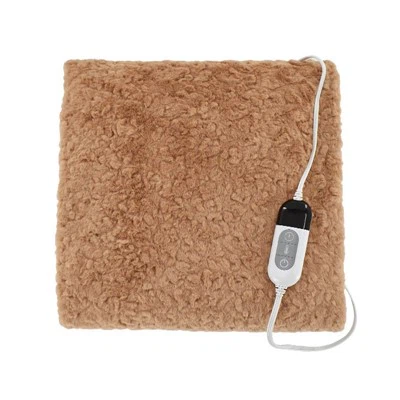
Heating pads can help with shoulder pain if you use them right. You should put a towel between your skin and the heating pad. This helps stop burns. Use the heating pad for 15 to 20 minutes each time. Take breaks between uses. Check your skin often while using the pad. This helps you avoid burns or skin problems. Heat therapy can make tight muscles relax. It also helps blood move better so you heal faster. Do not use heating pads if you have some health problems. These include diabetes or heart issues. Pick a heating pad that lets you change the settings. This makes it safer and more comfortable. Ask a doctor if you are not sure about heat therapy. This is important if you got hurt recently.
Safety & Effectiveness

Who Should Use
If your muscles feel stiff or sore, a heating pad for shoulder pain may help. Heat can make tight muscles relax. It can also help you move your shoulder better. Many people use heating pads after working out. Some use them when healing from small injuries. Others use them for long-lasting shoulder pain.
You want to ease pain without medicine or surgery.
You need help with muscle soreness or tightness.
You want comfort while doing rehab or therapy.
Studies show that heat therapy like heating pads works well for shoulder pain. Deep heat with stretching helps more than just surface heat. It can lower pain and help you do daily tasks. This makes heating pads a good choice for many people and groups who want safe ways to help pain.
Tip: Always use safety rules to get the most help and stay safe.
Who Should Avoid
Some people should not use a heating pad for shoulder pain. Health problems and age can make burns or other issues more likely.
Medical Conditions
|
Condition |
Why to Avoid Heat Therapy |
|---|---|
|
Dermatitis |
Heat can make skin problems worse and cause flare-ups. |
|
Deep vein thrombosis |
Heat can make swelling worse or move blood clots, which is risky. |
|
Chronic heart failure |
Heat can change blood flow and stress the heart. |
|
Diabetes |
You may not feel burns or too much heat. |
|
Peripheral vascular disease |
Heat can make symptoms worse or cause problems. |
|
Open wounds |
Heat can make you bleed more. |
|
Severe cognitive impairment |
Memory loss or confusion can lead to unsafe use and injury. |
If you have diabetes or nerve problems, you may not notice burns, so check your skin often.
People with heart problems should ask a doctor before using heat.
Skin issues like eczema or psoriasis can get worse with heat.
Pregnant women should talk to a doctor before using any heating device.
If you have a medical device inside your body, ask your doctor first.
"Heating pads can be risky for older people. They can burn anyone. Leaving it in one spot can cause a bad burn in just a few hours."
- Brad Wiggens, Nurse Manager, University of Utah Health Care Burn Center
Age & Sensitivity
Kids and older adults have higher risks with heating pads. Their skin can be thin or sensitive, so burns happen more easily. Older adults who cannot move well or forget things may not remove the pad or notice pain.
Kids should only use heating pads with an adult watching.
Older adults should use pads that turn off by themselves and check their skin for redness.
Safety Guidelines to Follow:
Check the heating pad for damage before you use it.
Use the lowest heat setting first.
Put a towel between the pad and your skin.
Use the pad for only 15-20 minutes each hour.
Never sleep with the heating pad on.
Do not use creams before putting on heat.
If you are not sure if a heating pad for shoulder pain is safe for you or your clients, ask a doctor. For business buyers, think about these safety tips when picking products for clinics, gyms, or rehab centers to keep everyone safe.
How Heat Therapy Works
Muscle & Joint Relief
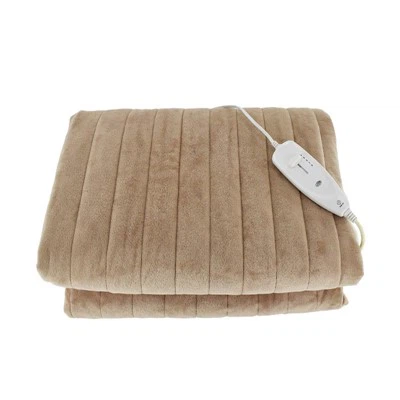
When your shoulder feels tight or sore, you want quick relief. Heat therapy helps your muscles and joints feel better. The warmth from a Heating Pad for Shoulder Pain goes deep into your body. This heat makes your muscles relax. It also helps your joints move easier.
Heat affects pain by using special calcium channels. These channels react to heat and let more calcium inside cells. This causes signals that travel to your nerves. Your brain then feels the heat.
Heat therapy also changes how your connective tissues work. The warmth makes these tissues softer. Softer tissues stretch more easily. You can move your shoulder better. This helps you heal faster from injuries or long-lasting pain. Physical therapists often use heat to help people move their shoulders again.
Heat brings more blood to the sore area. This helps your tissues heal.
It lowers pain and helps with swelling.
Warmth makes tissues stretch better and muscles less stiff.
You get more movement and flexibility.
Healing happens faster because heat helps your body make collagen.
If you want to avoid medicine or surgery, heat therapy is a safe choice. You can use it before you exercise, after a busy day, or during rehab. This method works for both short-term and long-lasting pain.
Blood Flow Benefits
Heat therapy does more than relax your muscles. It also helps blood flow in your shoulder. When you use heat, your blood vessels get bigger. This is called vasodilation. More blood moves through your shoulder. It brings oxygen and nutrients to your tissues.
Heat raises tissue temperature. This makes metabolism go up and causes vasodilation.
Even a small rise in temperature can make metabolism increase by 10–15%.
Better blood flow helps healing. It brings nutrients and oxygen and takes away things that cause pain.
Higher tissue temperature makes blood flow better because of vasodilation.
Softer tissues heal and repair faster in the sore area.
Heat therapy raises the temperature and increases blood flow.
More circulation brings oxygen and nutrients to help fix damaged cells.
Heat therapy lowers muscle spasms and stiffness. This helps you move and feel less pain.
You get better results when you use a Heating Pad for Shoulder Pain as part of your recovery. More blood flow helps your shoulder heal faster. It also lowers the chance of getting hurt again. This is important for clinics, gyms, and rehab centers that want safe pain relief for people.
Heating Pad for Shoulder Pain: Benefits

Comfort & Convenience
You want relief that fits your busy life. A heating pad for shoulder pain is easy to use at home, work, or in a clinic. You do not need to wait for a doctor or take medicine. You can use the pad while you read, watch TV, or work.
Heat therapy helps blood flow. It opens blood vessels and helps your shoulder heal faster.
The warmth relaxes tight muscles and stops spasms. You feel less stiff and more comfortable.
Good blood flow and relaxed muscles mean less pain. You get natural pain relief without pills.
Tip: Most pads let you pick the temperature you like. This helps you stay safe and comfortable.
Many heating pads are light and simple to use. You can keep them in a drawer or bring them to work. Clinics and rehab centers use them because they are easy to clean and care for.
Acute vs Chronic Pain
You might wonder if a heating pad helps new or old pain. Heat therapy works for both, but you should know when to use it.
For new pain, like a fresh strain, wait 48 hours before using heat. Cold therapy is better right after you get hurt.
For old pain, like arthritis or past injuries, heat gives steady relief. It helps you move and feel better every day.
You can use heat before exercise or therapy to loosen your shoulder. This lowers your chance of getting hurt again. For long-lasting pain, using a heating pad often keeps muscles loose and joints flexible.
Note: Ask a doctor if you are not sure when to use heat.
Injury Recovery
You want to heal fast and get back to normal life. A heating pad for shoulder pain helps you recover in many ways:
Putting heat on your shoulder gives quick pain relief.
The warmth makes muscles less tense and helps you relax.
More blood flow brings nutrients and oxygen to your injury, so you heal faster.
Heat opens blood vessels and sends more oxygen to your muscles.
Warming your shoulder before activity can stop injuries, especially if your muscles feel cold or stiff.
Heat therapy helps with long-term problems like rotator cuff injuries or tendonitis.
Using a heating pad in your recovery plan can help you get back to work, sports, or daily life sooner.
If you run a clinic or rehab center, you can give clients a safe and easy way to help shoulder pain. This makes people happier and helps them get better results.
Choosing the Right Heating Pad
Picking the right heating pad helps you feel safe and better. You want a pad that fits your shoulder well and lasts a long time. It should also follow safety rules. Clinics and gyms need good pads for their clients. This helps people get better results and keeps everyone safe.
Types & Features
Contoured & C-Shaped Pads
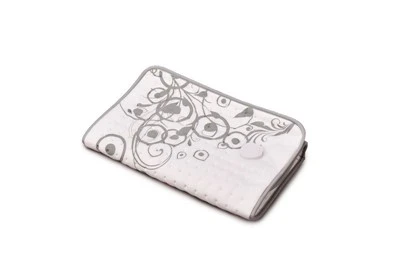
Some pads are shaped to fit your shoulder and neck. Contoured and C-shaped pads wrap around your shoulder. They give heat to the right spots. These pads stay in place while you move or rest. Clinics like these pads because they cover more area and feel comfortable.
Gel & Moist Heat Options
Gel pads and moist heat pads work in different ways. Gel pads keep heat longer and bend to fit your body. Moist heat pads use water to give deeper warmth. This helps muscles relax faster. You can use both types many times. They save money for homes and businesses.
Adjustable Settings
Find pads with settings you can change. You can pick the heat level and how long you use it. This stops burns and keeps you safe. Some pads turn off by themselves. This is good for older people and busy clinics.
Tip: Always check if the pad is strong and lasts long. Good pads use tough fabric and strong seams. They do not break easily and can be cleaned many times.
|
Type |
Fit/Shape |
Heat Delivery |
Lifespan (avg) |
Cost (avg) |
Best For |
|---|---|---|---|---|---|
|
Contoured/C-Shaped |
Shoulder/Neck |
Dry/Moist |
2-3 years |
$$ |
Targeted relief, clinics |
|
Gel Pad |
Flexible/Flat |
Dry |
2 years |
$ |
Home use, portability |
|
Moist Heat Pad |
Flat/Wrap |
Moist |
1-2 years |
$$ |
Deep muscle relief |
B2B Quality & Certification
If you buy pads for a clinic or gym, you need safe and strong products. Look for pads with safety certificates from groups like IEC or UL. These show the pad passed safety tests.
Pick pads with strong wires and covers you can wash.
Ask sellers how long the pad lasts and about the warranty.
For big orders, check if the maker follows ISO 13485 or IEC 60601 rules.
Ask for papers that show the pad meets world safety standards if your clinic needs them.
Note: Certified pads help stop problems and keep you safe. They also help you follow insurance and safety rules.
You want a Heating Pad for Shoulder Pain that works well and keeps people safe. Buying strong, certified pads saves money and helps your business do better.
Usage Tips & Safety
Using a heating pad the right way helps you get safe and effective relief. You lower your risk of burns and get the most benefit when you follow best practices. This section explains how to use your pad, what to avoid, and how to keep your device in good shape.
How to Use
Duration & Temperature
You want to relax your shoulder muscles without hurting your skin. Set your heating pad to a safe temperature. Most experts recommend a range of 129°F (54°C) for muscle relaxation. Always start with the lowest setting and increase only if needed.
Best Practices for Duration and Temperature:
Use the pad for 15-20 minutes for mild pain.
For severe or chronic pain, you can use it up to 2 hours, but always take breaks every 20-30 minutes.
Never use the pad on bare skin. Place a thin towel or cloth between your skin and the pad.
Check your skin often. If you see redness or feel discomfort, stop right away.
Tip: Daily use is safe for chronic pain, but always give your skin time to cool down between sessions.
Placement & Preparation
Proper placement ensures you target the right area and avoid injury. Lay the pad flat over your shoulder, making sure it covers the sore spot. Do not fold or bunch the pad, as this can cause uneven heating.
Always inspect the pad for damage before use.
Make sure the pad is dry and clean.
For moist heat, you can use a gel pad or place a damp washcloth between the pad and your towel. Moist heat can reach deeper tissues and may help with thick muscle pain.
Plug in the pad and set the timer if available.
Note: Never use the pad on broken, numb, or irritated skin.
What to Avoid
Sleeping with Pad
Never sleep with a heating pad on your shoulder. Falling asleep with the pad in place can cause burns or even fire hazards. Even pads with auto shut-off features are not safe for overnight use.
Prolonged heat can damage your skin, leading to toasted skin syndrome.
Repeated overnight use may cause permanent skin changes or increase your risk of skin cancer.
Direct Skin Contact
Do not place the heating pad directly on your skin. Always use a barrier, such as a towel or cloth. Direct contact increases the risk of burns and irritation, especially if you have sensitive skin.
Avoid using the pad on areas with reduced sensation, such as numb spots or open wounds.
If you have diabetes or nerve problems, check your skin often during use.
Post-Injury Timing
After a new injury, wait at least 48 hours before using heat. Cold therapy works better right after an injury to reduce swelling. Use a heating pad for shoulder pain only after the swelling goes down.
Using heat too soon can make swelling worse.
Always ask a healthcare provider if you are unsure when to start heat therapy.
Maintenance
Keeping your heating pad in good condition protects you and extends the life of your device. Regular checks and cleaning help prevent accidents and ensure reliable performance, especially in clinics and rehab centers.
|
Maintenance Step |
Description |
|---|---|
|
Regular Inspection |
Check for wear, damage, or frayed cords before each use. |
|
Proper Usage |
Follow the manufacturer's instructions. Do not fold or crease the pad. |
|
Regular Cleaning |
Unplug and cool the pad. Clean with mild detergent. Do not submerge in water. |
|
Proper Storage |
Store the pad dry, rolled loosely or flat. Keep heavy objects off the pad. |
|
Inspect for Damage |
Look for discoloration or odd smells. Stop using if you find any issues. |
|
Avoid Excessive Bending |
Do not bend or fold the pad too much. This protects the internal wires. |
Tip: Clinics and gyms should keep a maintenance log for each device. This helps track usage and spot problems early.
A well-maintained heating pad for shoulder pain gives you safe, reliable relief. You protect your investment and reduce the risk of injury for yourself or your clients.
Alternatives & Comparison
Cold Therapy
Cold therapy is a quick way to help shoulder pain. You use ice packs or cold compresses to cool your shoulder. This lowers swelling and makes pain feel less. Many clinics and gyms keep cold packs for new injuries.
Cold therapy helps with swelling and numbs pain. It is best for new injuries or sudden pain.
You can use cold therapy in the first 48 hours after a strain or sprain.
Cold packs are good for athletes, workers, and patients who need fast help.
Cold therapy lowers swelling and numbs the sore spot. Heat therapy works better for old pain and stiff muscles. It boosts blood flow and relaxes tight muscles. You pick heat or cold therapy based on when and how your shoulder hurts.
|
Therapy Type |
Best For |
How It Works |
When to Use |
|---|---|---|---|
|
Cold Therapy |
Acute injuries, swelling |
Reduces inflammation, numbs pain |
First 48 hours |
|
Heat Therapy |
Chronic pain, stiffness |
Increases blood flow, relaxes muscles |
After swelling subsides |
If you run a clinic or gym, offer both cold and heat therapy. This gives clients more choices. You help them heal faster and get back to normal sooner.
Medication
Medication is another way to help shoulder pain. You can use painkillers like acetaminophen or ibuprofen. These medicines lower pain and swelling. Some clinics give stronger drugs for bad pain.
Painkillers work fast but do not fix the real problem.
Anti-inflammatory drugs help with swelling and pain.
You must follow the dose rules to stay safe.
Note: Medication is best for short-term pain. Do not use only medicine for long-term healing.
Healthcare and sports centers often use medicine with therapy and heat or cold. This helps you give better care and helps patients get well faster.
Physical Therapy
Physical therapy is a long-term way to help shoulder pain. You work with a therapist who shows you exercises and stretches. Moving and stretching helps your shoulder work better and stops future injuries.
Studies show movement-based rehab works better for shoulder pain than just using heating pads. Moving helps blood flow, lowers stiffness, and helps you heal for good. Heating pads relax muscles, but physical therapy helps you get strong and move better.
Physical therapy fixes the real cause of pain.
You learn moves that make your shoulder strong and flexible.
Therapists make special plans for athletes, workers, and people with long-lasting pain.
|
Treatment Option |
Short-Term Relief |
Long-Term Recovery |
Prevents Recurrence |
|---|---|---|---|
|
Heating Pad |
✅ |
❌ |
❌ |
|
Cold Therapy |
✅ |
❌ |
❌ |
|
Medication |
✅ |
❌ |
❌ |
|
Physical Therapy |
✅ |
✅ |
✅ |
If you run a clinic or gym, adding physical therapy helps your business. You help clients heal faster, stop repeat injuries, and build trust.
Tip: Use heating pads, cold therapy, and physical therapy together. This gives clients safe, strong, and lasting help for shoulder pain.
ROI for B2B
You want your business to make good choices. Heating pads for shoulder pain give a strong return for clinics, gyms, hotels, and hospitals. These products help you give better care. They also make clients happier and help your brand look good.
Why are heating pads smart for your business?
More people want heated pads now. The market for heated mattress pads grows by 6.8% each year. This means more businesses see the value in heat therapy.
Healthcare places use heating pads to help with pain. Hospitals and rehab centers add them to treatment plans. Patients heal faster and feel better. This makes patient scores go up and results improve.
Hotels, like ski resorts, use heating pads for guest comfort. You can call special rooms 'climate-comfort suites.' Guests enjoy the extra warmth and leave good reviews. This helps your hotel stand out from others.
Tip: Heating pads are simple to care for and last a long time. You spend less on new ones and have less downtime.
Key ROI Benefits for B2B Buyers:
|
Benefit |
Impact on Your Business |
|---|---|
|
Higher Client Satisfaction |
More repeat visits and positive reviews |
|
Faster Recovery for Patients |
Shorter stays and better health outcomes |
|
Premium Branding Opportunities |
Higher room rates and stronger guest loyalty |
|
Low Maintenance Costs |
Fewer replacements and less staff training |
|
Scalable for Bulk Procurement |
Easy to equip multiple rooms or treatment areas |
You lower risk when you pick strong, certified heating pads. These pads meet safety rules and work well in busy places. You keep your clients safe and protect your business name.
When you buy heating pads for shoulder pain, your business gets ahead. You show you care about comfort, safety, and results. This helps your business grow and builds trust with clients.
Buying heating pads is not just about pain relief. It is about giving value, helping people, and making your business better.
B2B Considerations

Cost & Delivery
You want to save money and get your heating pads on time. Buying in bulk helps you pay less for each pad. Clinics, hospitals, and distributors order many pads at once. This helps them always have enough and spend less.
|
Product Description |
Price (USD) |
|---|---|
|
Bulk Microwave Heating Pads |
From $78.00 |
|
Custom Order (25 packs) |
$500.00 |
|
200 Packs Order |
$3,600.00 |
|
Microwave Neck Wraps |
From $115.00 |
|
Foot Warmers |
From $115.00 |
|
All Natural Heating Pad Spray |
From $12.95 |
Big orders come with flexible delivery choices. Suppliers can ship fast or set a delivery date for you. This helps you keep your business running without delays. Clear labels and SKUs make it easy to track and store your pads.
Tip: Ask about discounts for big orders and delivery promises. This helps you plan your spending and avoid surprise costs.
Quality Assurance
You need heating pads that are safe and work well. Makers follow strict rules to make sure every pad is good. These checks keep your clients safe and lower your risk of repairs.
|
Quality Assurance Measure |
Description |
|---|---|
|
Maximum Temperature |
Pads stay at safe heat levels to stop burns. |
|
Duration of Heat |
Pads keep steady warmth for hours without sudden changes. |
|
Self-regulating Mechanisms |
Built-in features control heat to prevent getting too hot. |
|
Non-toxic Composition |
Materials are safe for skin and have no bad chemicals. |
|
Hypoallergenic Properties |
Good for sensitive skin and lowers the chance of irritation. |
|
Easy Removal |
Pads come off easily and do not leave anything behind. |
|
Instructions for Use |
Simple directions help you use pads safely. |
|
Safety Warnings |
Clear warnings help you avoid mistakes and accidents. |
|
Material Information |
Full details help you avoid allergies and follow rules. |
|
Batch Testing |
Regular tests make sure every batch is up to standard. |
|
Inspection Protocols |
Checks during making catch problems early. |
|
Final Product Testing |
Finished pads are tested for safety before shipping. |
|
Biodegradable Materials |
Eco-friendly choices help you protect the planet. |
|
Energy-Efficient Manufacturing |
Making pads uses less energy and lowers pollution. |
|
Recyclable Packaging |
Packaging can be reused or recycled to cut down on trash. |
You can ask for certificates and test results to prove pads meet safety rules. This helps you feel sure and follow laws in healthcare, sports, and telecom.
Industry Use Cases
Heating pads for shoulder pain are used in many places. You see them in hospitals, sports centers, and custom projects.
Healthcare
Hospitals and clinics use heating pads to help with pain and muscle problems. They help patients heal faster and feel better during therapy.
|
Use Case |
Context |
|---|---|
|
Pain Management |
Used in clinics and hospitals for muscle and joint pain. |
|
Muscle Relaxation |
Needed in therapy to boost blood flow and ease stiffness. |
|
Injury Recovery |
Used in rehab centers to help people heal after injuries. |
Sports & Rehab
Sports centers and rehab places use heating pads for athletes and clients. They help relax muscles, warm up before exercise, and stop injuries.
Used in gyms and sports centers for muscle relaxation.
Part of warm-up routines to get muscles ready and prevent injury.
OEM/ODM
You might want special heating pads for your brand or project. OEM/ODM lets you pick features, materials, and packaging. Telecom and EPCs need pads that last long and are easy to install. Distributors like having many choices and pads that fit their systems.
Note: Custom orders help your business stand out and meet special needs. You get ahead of others and improve your profits.
References/Notes:
Prices and quality checks come from top suppliers and safety rules (ISO 13485, IEC 60601).
Use cases are based on what hospitals and sports centers do now.
For more info on safety and custom pads, ask your supplier or check with experts.
Using a heating pad for shoulder pain can help you feel better. It is safe and works well if you follow expert advice.
Pick a pad that fits your shoulder and has safety features. Make sure you can change the heat settings.
Always put a cloth between your skin and the pad. Set a timer before you start. Check the pad for damage every time you use it.
If you buy pads for a business, choose ones that are certified and strong. This helps your clients and keeps everyone safe.
If you have health problems or special needs, talk to a doctor for the best advice.

FAQ
Why should you choose a heating pad for shoulder pain over medication?
You get quick relief right where it hurts. Heating pads for shoulder pain do not cause side effects. You do not have to worry about getting used to medicine. Clinics and businesses save money and make patients happier.
Why is heat therapy safe for most users?
You can pick the temperature and how long you use it. This lowers your risk. Certified heating pads for shoulder pain turn off by themselves and have insulation. These features keep you and your clients safe at home or in clinics.
Why do B2B buyers prefer certified heating pads?
You lower your risk and spend less on repairs. Certified heating pads for shoulder pain follow strict safety rules. Businesses have fewer problems, better results for clients, and follow health laws.
Why should you avoid sleeping with a heating pad?
You could get burned or start a fire. Heating pads for shoulder pain are not made for sleeping. Clinics and gyms stop accidents by using rules and picking pads that turn off by themselves.
Why is pad maintenance important for long-term ROI?
You make your heating pad last longer and spend less on new ones. Cleaning and checking heating pads for shoulder pain keeps your device safe. Businesses keep track of care to make sure pads work well and protect clients.
Why does pad shape matter for shoulder pain relief?
You cover more of your shoulder and feel more comfortable. Contoured heating pads for shoulder pain fit your shoulder and neck. They send heat to the right spots. Clinics pick these shapes to help people feel better and get good results.
Why should you wait 48 hours after injury before using heat therapy?
You stop swelling and keep your injury from getting worse. Cold therapy is best right after you get hurt. You use heating pads for shoulder pain only after swelling goes away. This helps you heal safely.
Why do clinics combine heat therapy with physical therapy?
You get better and faster results. Heating pads for shoulder pain help muscles relax. This makes physical therapy easier. Clinics see patients improve more and feel happier when they use both treatments together.