
Heating Pad on Stomach: Benefits, Risks, and Effective Methods
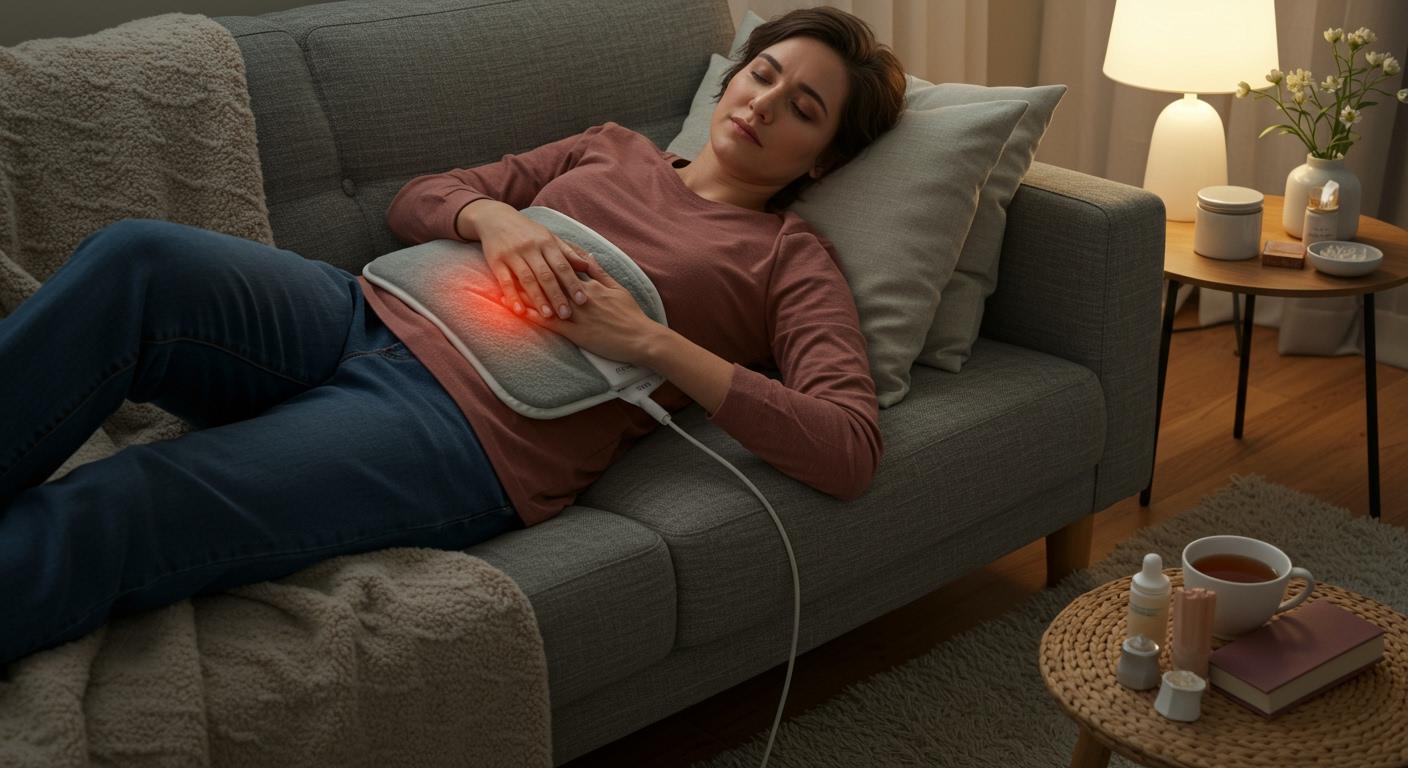
You might ask if using a Heating Pad on Stomach is safe. Most of the time, it helps you feel better fast. It can help with cramps, tight muscles, and stomach problems. You may feel less pain, looser muscles, and your stomach may work better. But there are some risks. You could get burned or have skin problems. Some health issues can make it unsafe. Some people think it burns fat, but that is not true. People with long-lasting pain or period cramps get the most help. If you have sensitive skin or medical implants, be careful. Always talk to your doctor for advice just for you.
Key Takeaways
- A heating pad can help with cramps and muscle tension. It also helps mild stomach pain. It works by making blood flow better. It helps muscles relax.
- Always check the heating pad's temperature before you use it. This helps stop burns. The safe temperature is between 104°F and 113°F.
- Put a cloth between your skin and the heating pad. This lowers the chance of burns. It also helps stop skin irritation.
- Only use the heating pad for 15-20 minutes at a time. This helps stop overheating. It also protects your skin from damage.
- Talk to your doctor before using a heating pad if you have diabetes. Also talk to your doctor if you have heart disease or skin problems.
- Heating pads are a safe choice instead of medicine for pain. They give comfort and do not cause side effects.
- Be careful when using heating pads if you are pregnant. Use low heat settings. Ask your doctor if it is safe for you.
- If you see any changes on your skin, stop using the heating pad. If you feel pain or discomfort, stop right away. Ask a doctor for help.
Why Use a Heating Pad on Stomach?

Common Uses
People use a Heating Pad on Stomach to feel better fast. It helps with cramps, sore muscles, and stomach problems. Doctors say heat therapy is good for pain, especially during periods. Studies show heat between 104 and 113 degrees Fahrenheit can help period pain a lot. You might also use a heating pad for small stomach aches or muscle spasms. Some people use it to relax after a hard day.
Tip: Always check the temperature before you use the pad. This helps you avoid burns.
How It Works
Heat therapy helps by making blood flow better and relaxing muscles. When you put heat on your stomach, your body sends more blood there. This makes muscles less stiff. Where you put the heat changes what it does:
|
Area of Effect |
Physiological Impact |
|---|---|
|
Upper Abdominal Area |
Helps with digestion, lets your body take in more food, and can make bloating and indigestion better. |
|
Lower Abdominal Area |
Helps with diarrhea and constipation, and makes blood flow better in those areas. |
|
Menstrual Cramps |
Makes muscles relax and stretch, helps with pain from spasms, and gets more blood to the pelvis. |
You feel better because heat calms nerves and helps muscles relax. This can make your stomach feel lighter and more at ease.
Who Benefits
A heating pad helps most if you have certain health problems. People with period cramps, stomach pain, or long-term belly pain get the best results. Studies show some groups get the most help from heat therapy:
People with inflammatory bowel diseases like Crohn's disease and ulcerative colitis
People who need help with ongoing stomach pain
People who want better blood flow and less stiffness in the stomach area
If you have stomach pain or cramps often, a heating pad can help you feel better fast. You do not get side effects like with medicine. You can use the pad whenever you need comfort.
Benefits of Heating Pad on Stomach

Pain Relief
A Heating Pad on Stomach can help you feel less pain fast. Heat therapy makes more blood go to your stomach. It also helps calm the nerves in your belly. Many people say it helps with cramps and muscle spasms. It can also help with regular stomach aches. Some studies show heat helps lower pain during labor. Doctors used the Visual Analog Scale (VAS) to check pain. They saw a big drop in pain scores. You might feel better just a few minutes after using a heating pad.
Note: Heat therapy is a way to manage pain without medicine. You do not get the side effects that come with pain pills.
Muscle Relaxation
Putting a Heating Pad on Stomach helps your muscles relax. The heat makes tight muscles feel looser. It also helps stop stiffness. This can make it easier to move and feel good. Some studies compare heat to pain pills like ibuprofen and acetaminophen. The results show heat works better for quick relief. It also helps you move better.
|
Study |
Findings |
Implications |
|---|---|---|
|
Petrofsky et al. |
Heat therapy and ibuprofen lowered neck pain (VAS from 5 to 3.5/10) |
Helped people move their neck and feel less pain |
|
French et al. |
Low heat all day helped back pain and movement |
Gave better short-term relief and less stiffness |
You can use heat to relax your stomach muscles after working out. It also helps after a long day. This can help you heal faster and lower your chance of getting hurt.
Digestive Comfort
A Heating Pad on Stomach can help if your stomach feels upset. Heat brings more blood to your belly. This can help with bloating and mild stomach pain. Some people use heat to relax their stomach muscles. It can also help your gut move food better. Some research shows heat can change how your stomach works:
Too much heat can make your stomach work less well, especially during exercise.
Using heat while working out may slow down your stomach's normal rhythm.
More people have stomach problems in hot weather, about 88% compared to 81% in cooler weather.
Tip: Only use heat therapy for a short time. If you feel worse, stop and talk to your doctor.
"There is no solid data that shows that any heating products change fat mass at all." - Dr. Fatima Cody Stanford, MD
Some people say heating pads burn belly fat, but this is not true. Heat therapy helps relax muscles and improve blood flow. It does not make you lose fat. You can use a heating pad to feel better, but do not expect to lose weight from heat alone.
Menstrual and PCOS Relief
You can put a heating pad on your stomach to help with menstrual cramps and PCOS discomfort. Heat therapy works quickly to relax muscles in your lower belly. This can lower pain and help you feel better during your period. Many women say heat helps when medicine does not work or causes problems.
Using heat therapy often can do more than stop pain. Studies show regular heat can help women with PCOS have better health. You might see better blood sugar levels and insulin response. Some women notice lower testosterone and more normal periods. These changes mean heat therapy can help your symptoms and your health.
If you have period pain or PCOS, a heating pad on your stomach is a safe way to feel better without medicine.
|
Benefit |
How Heat Therapy Helps |
|---|---|
|
Menstrual Cramps |
Relaxes muscles, reduces pain, improves blood flow |
|
PCOS Symptoms |
Improves metabolism, lowers testosterone, aids cycles |
|
General Discomfort |
Provides comfort, reduces need for medication |
You can use heat therapy at home, at work, or while you rest. This makes it easy for many women to use.
Bloating and Constipation
A heating pad on your stomach can help with bloating and constipation. Heat relaxes belly muscles and brings more blood to the area. This can help your body move food and waste better.
Many people use heat therapy because it is gentle and easy. You may feel less tight and more comfortable after a short time. Results are different for everyone, but some people say heat helps them go to the bathroom more often.
Heating pads may help with constipation by relaxing belly muscles and bringing more blood, which can help you go to the bathroom.
How well heating pads work is different for each person, and they do not always fix constipation.
They are best used with other things like drinking water and eating healthy foods.
Some people find heating pads help with constipation by relaxing stomach muscles.
There is not enough research to prove heating pads fix constipation, but heat may help blood flow and bowel movements.
Heat and gut activity are connected, but we do not know exactly how.
For best results, use a heating pad with healthy food and lots of water. If you do not feel better or your symptoms get worse, talk to your doctor.
You can use a heating pad on your stomach every day. This easy method can help you feel better and support your digestion.
Risks and Precautions
Burns and Skin Irritation
Using a Heating Pad on Stomach can sometimes hurt your skin. If you do not use it safely, you might get burns or skin irritation. Most burns happen if you leave the pad on too long or make it too hot. Some people get red skin, blisters, or even deep burns. If you have nerve problems, you may not feel the heat. This makes burns more likely.
Medical studies show how often burns happen with heating pads and hot packs:
|
Injury Type |
Statistic |
Source |
|---|---|---|
|
Burn injuries from electric heating pads |
About 1,500 patients treated each year in US |
Factors Associated with Contact Burns |
|
Deaths per year from heating pads |
8 deaths |
Factors Associated with Contact Burns |
|
Contact burns from hot packs |
11.2% of contact burns |
Factors Associated with Contact Burns |
|
Injuries from heating pads |
17% of injuries from body heating devices |
Burns Sustained From Body Heating Devices |
|
Majority of injuries from hot packs |
54.3% |
Burns Sustained From Body Heating Devices |
Tip: Check your skin every few minutes when using a heating pad. If you see redness or feel pain, stop right away.
Contraindications
Some health problems make it unsafe to use a heating pad on your stomach. If you have these problems, do not use heat therapy or talk to your doctor first. Heat can make some illnesses worse or hide signs that need medical help.
Here are health problems where you should not use a heating pad:
Heart failure
Deep vein thrombosis
Peripheral vascular disease
Dermatitis
Diabetes
Cholecystitis
Pancreatitis
Appendicitis
If you have diabetes, you may not feel heat well. This makes burns more likely. People with skin problems like dermatitis can get more irritation. If you have stomach pain from cholecystitis, pancreatitis, or appendicitis, heat may hide serious symptoms and delay treatment.
Note: Always ask your doctor before using heat therapy if you have any long-term illness or sudden stomach pain.
Pregnancy Safety
If you are pregnant, you need to be extra careful with heating pads. High body temperature can hurt your baby, especially in the first three months. Doctors say you should never put the heating pad right on your skin or belly. Use a thin towel as a barrier and keep the temperature low.
Follow these safety tips during pregnancy:
Use the lowest temperature setting that helps you feel better.
Limit use to 10-20 minutes at a time.
Always put a cloth between your skin and the heating pad.
Do not put the heating pad right on your abdomen.
Avoid long sessions to prevent overheating.
Too much heat can raise the risk of birth defects, like neural tube problems. You should always check with your doctor before using any heat therapy while pregnant.
Alert: If you feel dizzy, too hot, or notice skin changes, stop using the heating pad and call your doctor.
Signs of Misuse
It is important to know warning signs when using a heating pad on your stomach. If you spot problems early, you can avoid serious injury. Some people think a little discomfort is normal, but some symptoms mean you should stop and get help.
The most common signs of misuse are changes in your skin, pain, or strange feelings during or after use. Always check your skin and notice how you feel while using heat therapy. If you see any of these signs, you may be using the heating pad wrong or for too long:
|
Warning Signs |
Description |
|---|---|
|
Blistering or charred skin |
Needs immediate medical attention |
|
Severe pain after removing the pad |
May signal tissue damage |
|
Signs of infection (pus, fever) |
Indicates urgent care is needed |
|
Electrical shock or burns |
Stop use and seek help right away |
|
Chest pain or trouble breathing |
Serious concern-call for help |
|
Rash lasting over 1 week |
Schedule a doctor's appointment |
|
Dark patches that do not fade |
Needs medical evaluation |
|
Texture changes (thickening, scaling) |
Possible skin damage-consult a doctor |
|
Recurring dizziness |
May show overheating or misuse |
|
Heart palpitations during use |
Stop and get medical advice |
|
Unusual swelling after treatment |
Needs attention |
|
Numbness or tingling that persists |
Could mean nerve injury-see a physician |
Alert: If you see blisters, feel strong pain, or notice infection, stop using the heating pad and call your doctor.
You might also notice numbness, tingling, or dizziness. These signs can mean your body does not like the heat. If you ignore these signs, you could hurt your skin or nerves.
Why should you watch for these signs? Acting early keeps you healthy and saves money on medical care. You also get more use from your heating pad by using it safely and avoiding damage.
You can lower your risk by following instructions, checking your skin often, and never using a heating pad while sleeping. If you have doubts or symptoms that do not go away, talk to a healthcare professional. Safe use gives you better results and peace of mind.
Effective Use Methods

Choosing a Heating Pad
You want the best results and safety when you use a heating pad for your stomach. The right choice depends on your needs and health. You should know why each feature matters before you buy.
Types of heating pads: You can choose from electric, infrared, chemical, or gel/liquid pads. Electric pads offer steady heat and easy controls. Infrared pads provide deep warmth. Chemical and gel pads work well for travel or quick relief.
Safety features: Look for pads with automatic shut-off, adjustable temperature, and timers. These features help prevent burns and overheating, especially if you have sensitive skin or health risks.
Health conditions: If you have diabetes, heart disease, or nerve problems, you need extra safety. Some pads have special settings for people with these conditions.
Pad size and shape: Pick a pad that covers your stomach area well. Flexible pads fit your body better and give more comfort.
Ease of cleaning: Removable covers or waterproof designs make cleaning simple and keep your pad safe to use.
Tip: Always read the product label and instructions before using a new heating pad.
Temperature and Duration
You need to use the right temperature and time to get the most benefit and avoid harm. Using a pad that is too hot or for too long can cause burns or skin problems.
|
Temperature Range |
Duration |
|---|---|
|
105°F to 140°F |
15-20 minutes |
Most experts recommend a temperature between 104°F and 113°F (40°C to 45°C). This range helps increase blood flow and relax muscles without risking burns. You should not use the pad for more than 20 minutes at a time. Short sessions work best and keep your skin safe.
Start with the lowest setting and increase only if needed.
Always check your skin every few minutes.
Let your skin cool down before using the pad again.
Note: If you feel pain, burning, or see redness, stop using the pad right away.
Application Steps
You can use a Heating Pad on Stomach safely by following these steps:
Check the pad: Make sure it is clean and not damaged.
Set the temperature: Start with the lowest heat setting.
Place a barrier: Put a thin cloth or towel between your skin and the pad.
Position the pad: Lay it flat on your stomach, covering the area that needs relief.
Set a timer: Use the pad for 15-20 minutes only.
Monitor your skin: Check for redness or discomfort during use.
Turn off and remove: After the session, turn off the pad and let your skin rest.
Alert: Never use a heating pad while sleeping or if you cannot feel heat well.
By choosing the right pad, using the correct temperature, and following safe steps, you protect your health and get the most relief from stomach pain or cramps.
Safety Tips
You should use a heating pad on your stomach the right way. Doctors say you need to follow some steps to keep your skin safe. These tips help stop burns, rashes, and other problems.
Always put a cloth or the pad's cover between your skin and the heating pad. If the pad touches your skin, you could get burned, even if it is not very hot.
Only use the heating pad for 15 to 20 minutes at a time. Short times help keep your skin from getting too hot or hurt.
Do not fall asleep with an electric heating pad unless it turns off by itself. If you stay awake, you can check your skin and make sure you feel okay.
If you have skin problems, neuropathy, or cannot feel heat well, do not use a heating pad unless your doctor says it is okay. You might not notice if you get burned.
Never put a heating pad on open wounds. Heat can make you bleed more because it brings more blood to the area.
Look at your skin every few minutes while using the pad. If you see red skin, blisters, or feel pain, stop using it right away.
Keep the heating pad away from water so you do not get shocked.
When you are done, put your heating pad in a dry and safe place.
Tip: Always read and follow the instructions that come with your heating pad before you use it the first time. This helps you know how to use it safely.
If you follow these safety tips, you are less likely to get burned or hurt. You will also get the best results from your heating pad.
Alternatives
If you cannot use a heating pad on your stomach, there are other ways to feel better. Some people need different options because of health problems, allergies, or what they like. You can pick from a few good choices that help with pain and make you feel better.
|
Therapy Type |
Description |
|---|---|
|
Cold Therapy |
Cold packs or cold wraps can help with swelling and numb pain in your stomach. |
|
TENS |
TENS devices use small electric signals to block pain and relax your muscles. |
|
Massage Therapy |
A massage from a professional can help your belly muscles relax and improve blood flow. |
|
Physical Therapy |
Special exercises from a physical therapist can help you move better and lower stomach pain. |
Cold therapy may work better if you have swelling or sharp pain. TENS units are a way to help pain without medicine. Massage and physical therapy can help you heal and move more easily over time.
Note: Always ask your doctor before you try a new therapy. They can help you pick the safest and best choice for you.
Picking the right method can help you feel better and stay healthy, even if you cannot use a heating pad.
Comparison with Other Methods

Heating vs. Cold Packs
You might wonder which works better for stomach pain. A heating pad helps your muscles relax and brings more blood to the area. This can make cramps and tightness feel better fast. Cold packs help by making swelling go down and numbing pain. They are best for injuries or when your stomach is inflamed.
|
Method |
Best For |
How It Works |
Pros |
Cons |
|---|---|---|---|---|
|
Heating Pad |
Cramps, muscle tension |
Relaxes muscles, boosts circulation |
Immediate comfort, easy use |
Risk of burns, not for swelling |
|
Cold Pack |
Swelling, sharp pain |
Numbs area, reduces inflammation |
Lowers swelling, numbs pain |
Can slow digestion, may cause chills |
Tip: Pick a heating pad if you have cramps or sore muscles. Use a cold pack if you have swelling or sharp pain. Do not use both on your stomach at the same time.
Heating Pads vs. Medication
You have to pick between a heating pad or medicine for stomach pain. Heating pads are safe and do not use drugs. You can use them at home and feel better quickly. Pain medicine like aspirin or ibuprofen can upset your stomach. Sometimes, these pills can make your pain worse.
Heating Pads:
Help your stomach muscles relax and move food better.
Give fast relief for cramps and pain.
Are safe and simple to use at home.
Medication:
Pain pills can bother your stomach lining.
Some medicines make stomach pain worse.
You might get side effects or need a doctor's note.
|
Option |
Relief Speed |
Safety |
Cost Over Time |
Maintenance Risk |
Long-Term Value |
|---|---|---|---|---|---|
|
Heating Pad |
Fast |
High |
One-time |
Low |
High |
|
Medication |
Varies |
Moderate-Low |
Ongoing |
Moderate |
Lower |
You only buy a heating pad once and use it many times. This lowers your chance of side effects and saves you money over time.
Other Therapies
You can try other ways to help your stomach feel better. Massage therapy lets someone use their hands to relax your belly and help blood flow. Physical therapy teaches you moves and stretches to help with pain and movement. TENS devices send small electric pulses to block pain.
Massage Therapy: Someone uses their hands to help you feel better and improve blood flow.
Physical Therapy: You learn stretches and moves to help you feel good for a long time.
TENS Devices: You use gentle electric pulses to stop pain without medicine.
|
Therapy Type |
How It Works |
Pros |
Cons |
|---|---|---|---|
|
Massage |
Manual muscle relaxation |
Natural, improves comfort |
Needs a professional, cost |
|
Physical Therapy |
Guided exercises |
Long-term benefits |
Time commitment |
|
TENS |
Electrical stimulation |
Drug-free pain relief |
May need device, not for all |
You should pick what works best for your health, money, and needs. Heating pads give quick help and are a good value. Other therapies are good if you want more choices or need help from a professional.
B2B and Industry Use Cases
Healthcare Facilities
Hospitals, clinics, and rehab centers use heating pads every day. Nurses and doctors use them to help with pain and relax muscles. Heating pads are part of many treatment plans to make patients feel better. They can help people heal faster and feel less pain. Studies show heating pads help blood move better and lower swelling. They also help people get better faster if they have belly pain or tight muscles.
Heating pads help people who had surgery feel less pain.
Nurses use them to relax belly muscles before some tests.
Physical therapists use them to get muscles ready for therapy.
Heating pads are safe and do not need medicine. They fit well in care plans that focus on the patient. They can help people use less medicine. If you use heating pads in your hospital, patients may feel better and heal faster.
Tip: Pick heating pads with auto shut-off and settings you can change. This keeps patients safe and follows hospital rules.
Corporate Wellness
You can help workers feel better by giving them heating pads at work. Many companies now add heating pads to their health programs. Workers use them at their desks or in break rooms to help with stress, cramps, or stomach aches.
Giving heating pads shows you care about your team's health. This can make people happier at work and miss fewer days. You also make work safer by picking pads that do not cause allergies. Clear rules help workers use pads safely and avoid burns.
Give heating pads as part of health kits at work.
Teach workers how to use them safely for best results.
Make sure the pads follow health and safety rules.
|
Benefit |
Impact on Workplace |
|---|---|
|
Less discomfort |
People get more work done |
|
Less stress |
People feel happier |
|
Fewer sick days |
Company saves money |
Note: Always check if workers have allergies before giving out heating pads.
Procurement Tips
When you buy heating pads for your company, focus on safety and quality. Pick pads that meet important rules, like IEC or FDA standards. Buy from sellers who give clear papers and help after you buy.
Think about these things when you buy:
- Product Safety: Pick pads with safety labels and materials that do not cause allergies.
- Usage Education: Ask for guides and training for your team.
- Regulatory Compliance: Make sure pads follow health rules in your area.
- Cost Efficiency: Look at prices, warranties, and how long pads last.
- After-Sales Support: Pick sellers who help you if something goes wrong.
You save money if you buy strong heating pads with auto shut-off and covers you can wash. These pads last longer and are easier to take care of. This helps your money go further.
Callout: A good heating pad plan helps both patients and workers. It also saves money and keeps everyone safe.
Quality Standards
If you buy heating pads for work or hospitals, you must check quality standards. These rules help keep people safe and protect your money. Good heating pads follow strict rules to lower risks and last longer.
Look for heating pads with international certifications. These show the product is safe and works well. Hospitals and companies trust certified heating pads because they last longer and work better.
Key Quality Standards for Heating Pads:
- ISO 9001:2008 Certification: This means the maker uses a strong system to check quality. You get products that work the same every time.
- ISO 9001:2015 Compliance: Many sellers now use this newer version. It adds more safety steps and helps manage risks. This keeps your staff and patients safer.
- Biocompatibility Testing: Medical heating pads must pass these tests. They do not cause skin problems or other health issues. You can use them safely with patients.
Tip: Always ask for proof of certification before buying many heating pads. Certified pads are safer and help your company look good.
|
Standard |
What It Means for You |
Why It Matters |
|---|---|---|
|
ISO 9001:2008 |
Reliable quality management |
Fewer defects, better ROI |
|
ISO 9001:2015 |
Updated safety and risk controls |
Safer for staff and patients |
|
Biocompatibility |
Safe for skin and medical use |
Reduces health complaints |
Pads with these standards give you more value. Certified pads last longer and break less. You save money on new pads and avoid safety problems. Your team and patients stay safe, and people trust your company.
Quality standards also help you follow the law. If you run a hospital or big company, you must meet these rules to avoid fines. You protect your brand and keep your business safe.
When you pick heating pads with good certifications, you make a smart choice. You get better results, spend less, and worry less. Quality standards are not just papers-they help keep everyone safe and happy.
A Heating Pad on Stomach helps you feel less pain quickly. It also makes your muscles relax and helps your stomach work better. You need to use it the right way so you do not get burned or hurt your skin. Pick pads that are certified and have safety features like auto shut-off. If you buy for a business, choose sellers you trust and make sure they help you after you buy. Always ask a doctor before you start using heat therapy. Experts and studies say these steps help you stay safe and get good results.
FAQ
Why should you use a heating pad on your stomach?
You use a heating pad to relieve cramps, muscle tension, and mild stomach pain. Heat increases blood flow and helps your muscles relax. You feel comfort quickly without medicine.
Why is it important to check the temperature before using a heating pad?
You must check the temperature to prevent burns and skin irritation. Most experts recommend a safe range between 104°F and 113°F. Always start with the lowest setting.
Why do some people avoid heating pads during pregnancy?
Doctors advise caution because high heat can harm your baby. You should use a low setting, limit time, and place a cloth barrier. Always consult your doctor before use.
Why does a heating pad not burn belly fat?
Heating pads do not burn fat. Heat only relaxes muscles and improves blood flow. No scientific evidence supports fat loss from heat therapy.
Why do you need to use a cloth barrier with a heating pad?
A cloth barrier protects your skin from direct heat. It lowers the risk of burns and irritation. You should never place the pad directly on bare skin.
Why should you avoid using a heating pad while sleeping?
You risk burns and injury if you fall asleep with a heating pad. You cannot monitor your skin or adjust the pad. Use only when awake and alert.
Why do some health conditions make heating pads unsafe?
Certain conditions like diabetes, heart disease, or skin problems reduce your ability to sense heat. You may get burns or worsen symptoms. Always ask your doctor before using heat therapy.
Why is a heating pad a good investment for long-term pain relief?
You buy a heating pad once and use it many times. You save money compared to ongoing medication costs. Pads with safety features last longer and reduce maintenance risk.