

Electric blankets, as an efficient heating device, provide a comfortable sleeping environment for millions of households. Compared to traditional central heating or space heaters, electric blankets can deliver targeted warmth at a lower cost. But how much does it cost to run a heated blanket? It's essential for ordinary people to understand the actual usage costs and practical energy-saving tips to control electricity bills while staying warm.
How Electric Blankets Work and Their Costs
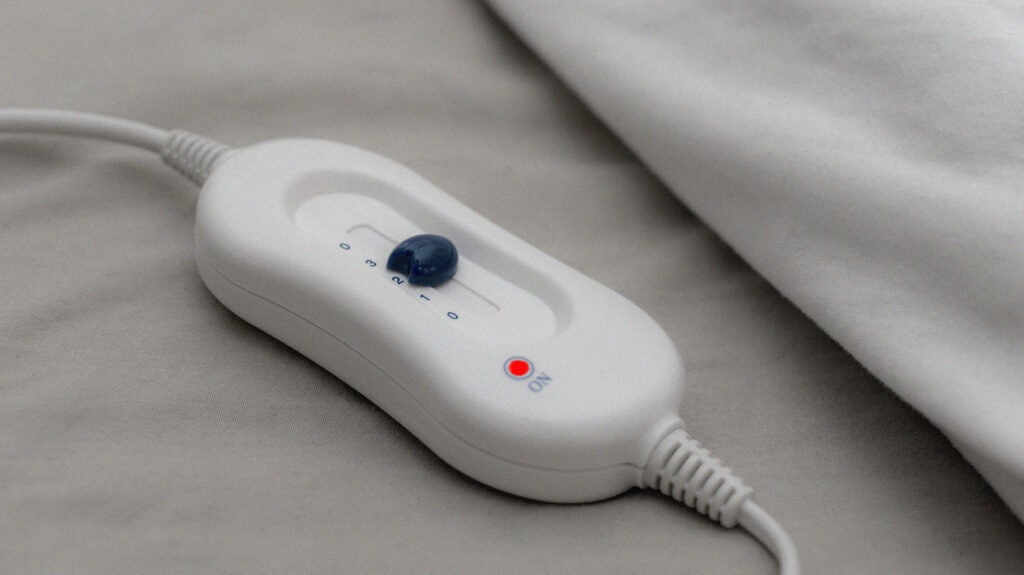
Electric blankets work convert electrical energy into heat through built-in heating wires, providing continuous and stable warmth to users. These heating wires are evenly distributed inside the blanket and generate heat when powered on, which is then conducted to the body through the blanket material. Most modern electric blankets are equipped with temperature controllers, allowing users to adjust heat output according to personal comfort.
Power and Energy Consumption
The power of electric blankets varies depending on size and model, but typically ranges as follows:
Single electric blanket: 50-75 watts
Twin electric heated blanket: 100-150 watts
King size electric blanket: 150-200 watts
These power levels are far lower than space heaters and central heating systems, but electric blankets do not provide as wide a heating area.
2026 U.S. Electric Blanket Running Cost Calculation
According to data from the U.S. Energy Information Administration (EIA), the average electricity cost for American households is approximately 16 cents per kilowatt-hour (with significant variations across states, ranging from 10 cents to 30 cents). We have conducted approximate statistical calculations for typical hourly operating costs for different sizes:
Single electric blanket (60 watts):
Cost per hour = 0.06 kW × $0.16 = $0.0096 (approximately 1 cent)
8 hours per night = $0.077 (approximately 8 cents)
Monthly cost (30 days) = $2.30
Twin heating blanket (120 watts):
Cost per hour = 0.12 kW × $0.16 = $0.0192 (approximately 2 cents)
8 hours per night = $0.154 (approximately 15 cents)
Monthly cost (30 days) = $4.60
King size heated blanket (180 watts):
Cost per hour = 0.18 kW × $0.16 = $0.0288 (approximately 3 cents)
8 hours per night = $0.230 (approximately 23 cents)
Monthly cost (30 days) = $6.90
In comparison, using a 1500-watt space heater costs approximately 24 cents per hour, with overnight operation costs reaching $1.92 per night and monthly costs up to $57.60. The electric blanket vs heater cost advantage is obvious, being much cheaper than heating an entire room.
Factors Affecting Cost
Wattage: The size and model directly determine electric blanket power consumption. Larger blankets require more heating wires to cover the entire area, and temperature coverage during the heating process also takes time, so large-area electric blankets typically consume more electricity.
Usage Duration: The time you use your electric blanket each night directly affects the cost. The cost difference between preheating before sleep and running an electric blanket all night is significant.
Local Electricity Rates: Electricity costs vary by region. Hawaii residents may pay over 30 cents per kilowatt-hour, while Louisiana residents may only pay around 10 cents. The electricity rate in your area is also a key point for electricity costs.
Temperature Settings: Most electric blankets offer multiple temperature settings. Using high temperature settings will use a lot of electricity, while medium-low temperature settings are more energy-efficient while still providing comfortable warmth. You can preheat on medium setting, maintain temperature on low setting, and set a timer, which will greatly reduce usage costs.
Energy-Saving Tips
Use Timer: Modern electric blankets are equipped with built-in timer functions that can set automatic shut-off times. If your blanket doesn't have this feature, you can purchase an external outlet timer. Set the electric blanket to turn on 1-2 hours before bedtime, then automatically shut off 1 hour after you fall asleep. This can significantly reduce energy consumption, as your body heat and the blanket's insulation effect are sufficient to maintain warmth after shutting off.
Lower Temperature Settings: Don't default to using the highest temperature setting. Start from medium or medium-low settings and adjust according to personal comfort. Research shows that most people feel warm enough at medium temperature settings, which can save up to 30-40% of energy consumption.
Preheat the Blanket Before Use: Turn on the electric blanket 30-45 minutes before bed to preheat, and once you get into bed and feel comfortable, you can turn off the electric blanket or adjust it to the lowest setting.
Combine with Other Warming Measures: Use flannel sheets, thick comforters and extra thermal blankets for winter to enhance insulation, which will concentrate temperature faster.
Regular Cleaning and Maintenance: Keeping your electric blanket clean ensures efficient operation. Dust, dirt and aging can affect heat distribution, causing some areas to require higher settings to achieve the same warmth.
Types of Electric Blankets
The market offers multiple types of electric blankets to choose from, each with its application scenarios and cost characteristics:
Heated Mattress Pads
Heated mattress pads are placed between the mattress and sheets, providing continuous warmth from below. This type is particularly suitable for users who want the entire bed to stay warm. Since heat rises from below, they are very efficient at distributing heat, with power range of 100-200 watts. They come with dual control features, allowing partners to adjust the temperature on their respective sides.
Heated Throws (Electric Warming Throws)
Electric throws are blankets laid on beds or sofas, suitable for preheating beds before sleep or adding extra warmth while relaxing in the living room. They are the most compact and energy efficient options, with power typically ranging from 50-100 watts. Portability is their greatest advantage, allowing use anywhere in the home.
Heated Mattress Toppers
Heated mattress toppers are integrated with the mattress, similar to regular mattress thickening pads but with built-in heating elements. They provide warming effects similar to heated mattress pads while also increasing mattress comfort and softness, with power ranging from 150-250 watts, suitable for users seeking both warmth and comfort.
Safety Precautions
Choose Products with Safety Features: Purchase electric blankets equipped with automatic shut-off functions. This feature can automatically turn off the blanket after running for a certain period (usually 8-10 hours), preventing overheating and potential safety hazards. Overheat protection is also very important, as it can monitor blanket temperature and automatically cut power when abnormally high temperatures are detected.
Safety Certified Products: Ensure that the electric blanket you purchase has passed UL or ETL safety standard certifications.
Check for Wear: Before each usage season begins, check the electric blanket for signs of damage. Check whether the wires are worn, exposed, or kinked, whether the blanket fabric has scorch marks or discoloration, and whether the controller is functioning properly. If any damage is found, stop using immediately and replace with a new blanket; never attempt to repair it yourself.
Use and Storage: Do not fold the electric blanket for storage, as this will damage the internal wires. For cleaning, check whether the product allows cleaning; hand washing or using the washing machine's gentle cycle is usually recommended. Avoid placing heavy objects on the electric blanket, and do not use it simultaneously with other heating devices (such as hot water bottle warmers).
Special Population Precautions: Pregnant women, infants, young children, and people insensitive to temperature changes should consult a doctor before using electric blankets. These groups are more susceptible to overheating effects.

Comprehensive Guide to Electric Blanket Safety Certifications and Testing Standards
Why Quality Matters for Buyers and E-commerce Sellers
Manufacturer's real talk
Electric blankets, as an economically affordable heating solution, even when used all night, a twin electric blanket costs only about $4-7 per month, far lower than the cost required to use space heaters or raise the thermostat setting for the entire house. This significant cost difference makes electric blankets an ideal choice for budget-limited families.
The energy efficiency of electric blankets is not only reflected in direct electricity bill savings but also in the targeted heating method they provide. This precise heat transfer method is inherently more efficient. However, when purchasing an electric blanket, you should not only focus on the initial price but also consider long-term running costs and potential energy-saving benefits.
![[[标题新闻]]](https://www.sshine.com/uploads/38185/info/n20251226135212a7c50.png?size=300x0 "[[标题新闻]]")
![[[标题新闻]]](https://www.sshine.com/uploads/38185/small/velvet-heating-coateb18b.jpg?size=380x0 "info-1-1")
![[[标题新闻]]](https://www.sshine.com/uploads/38185/info/n2025121811491416ecf.webp?size=230x0 "[[标题新闻]]")