
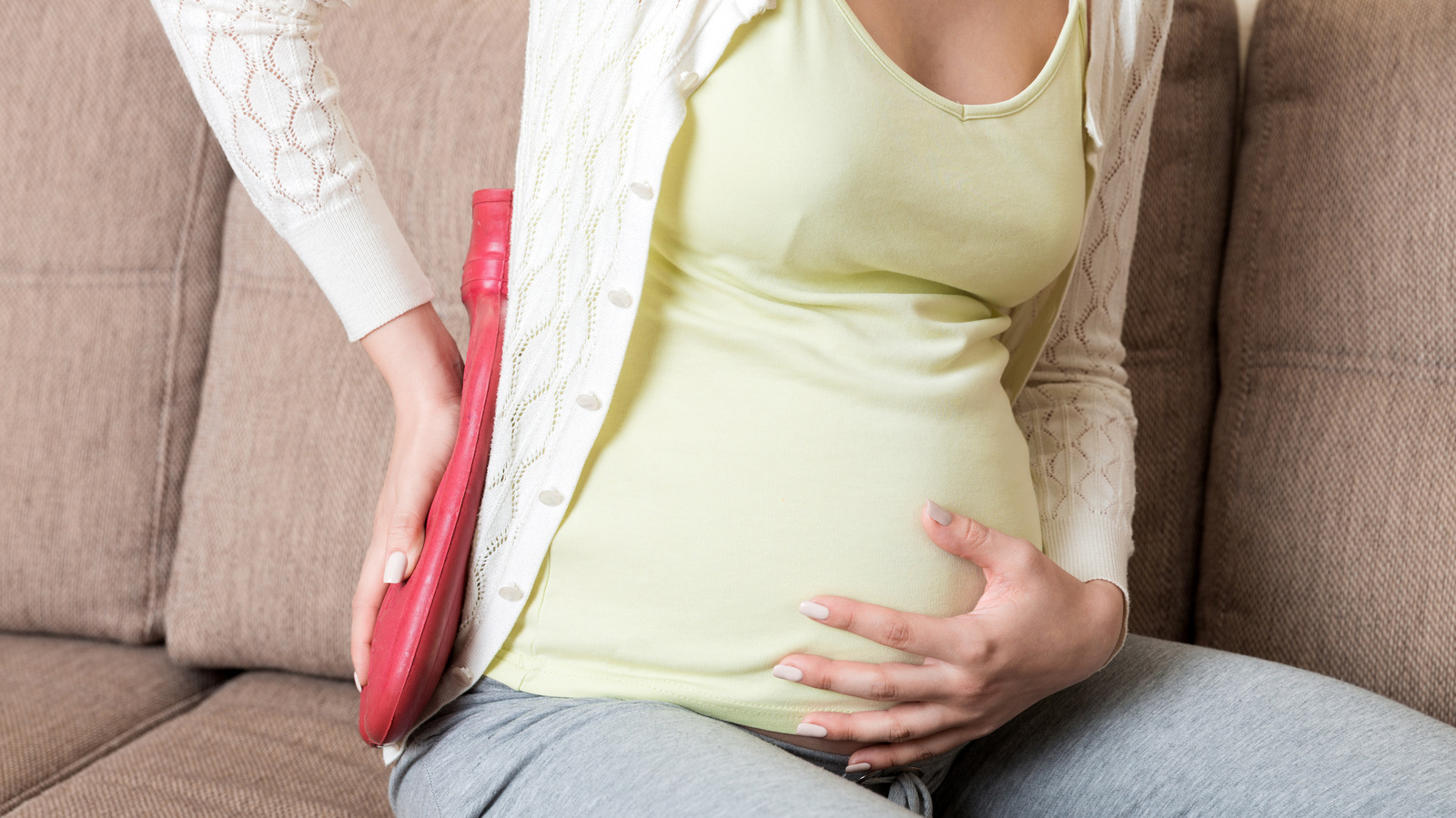
During pregnancy, many expectant mothers experience various physical discomforts, including back pain, shoulder and neck stiffness, and joint pain. As pregnancy progresses with weight gain and hormonal changes, these discomforts become more pronounced. Electric blankets and heating pads are common tools for warmth and pain relief, providing pregnant women with a warm and comfortable environment, especially popular during cold seasons. However, using heating pads during pregnancy is not entirely without risks at this critical stage. It is essential for family members to understand how to use these devices safely and correctly to protect maternal and infant health.
Understanding Potential Risks of Heating Pads
Risks in Early Pregnancy
Early pregnancy is when the fetus is particularly sensitive to environmental changes. When pregnant women use high-temperature electric blankets for extended periods, their core body temperature rises. Sustained elevated body temperature in early pregnancy may adversely affect the fetal nervous system development.
Strict Prohibition on Abdominal Use
The most important rule when pregnant women use heating pads is to absolutely avoid applying heat sources directly to the abdominal area. Direct heating of this region makes it easier for heat to transfer to the fetus in the uterus, increasing the risk of fetal heat exposure. Even with low-temperature settings, prolonged heating pad on stomach while pregnant can cause excessively high local temperatures. Additionally, abdominal skin during pregnancy is quite sensitive, and direct contact with heat sources may cause skin discomfort or allergic reactions. Regardless of which heating device you use, it should be kept away from the abdominal region.
Primary Benefits of Heating Pads During Pregnancy
Promotes blood circulation
Muscle relaxation
Pain relief
Heat therapy increases joint mobility
How to Safely Use Heating Pads During Pregnancy
Temperature Control
When using a heating pad while pregnant, it's recommended that pregnant women set the device to a low temperature setting, not exceeding 40°C (104°F), and avoid high-temperature settings. Do not let the heating pad directly contact the skin. You can place a sheet or thin blanket over the heating pad, which effectively insulates the heat source and reduces direct skin heating. If you feel overheated or start sweating during use, stop using the heating pad immediately, as this would be counterproductive and increase the burden on the pregnant woman.
Duration and Frequency of Use
It's recommended that each heating pad session not exceed 15-20 minutes, especially at bedtime. You can adopt the practice of preheating the bed with an electric blanket before sleep-turn on the heating blanket 10-15 minutes before going to bed, then turn it off when sleeping. This way, you can enjoy warmth and comfort while avoiding the risks of prolonged heating. Avoid using heated blankets all night long; instead, choose warm blankets or adjust indoor heating temperature.
Regarding frequency, it's not recommended to rely on heating pads daily. Use them on particularly cold days or when experiencing significant discomfort, rather than making them a regular warming method.
Suitable Application Areas
Back: This is one of the most common pain areas during pregnancy. Moderate warmth can relax muscles and relieve soreness. Heating pads for back pain are particularly effective for this purpose.
Neck and shoulders: These areas often feel stiff due to postural changes during pregnancy. Gentle heating with a massaging heating pad for neck and shoulders helps improve local blood circulation.
Hips and pelvis: Rectangular heating pads can be carried with you and used when needed, as these areas frequently bear the impact of shifting body weight. These are especially helpful for round ligament pain.
For joint pain, such as in the knees or wrists, small heating pads can be used for localized heat treatment.
Important Note:
Lower limbs: While legs may experience swelling and cramping during pregnancy, excessive heating of the lower limbs may affect blood circulation and actually worsen swelling. If you need to relieve leg discomfort, gentle massage or elevating your legs may be better choices.
When using these heating devices, you must ensure they remain far from the abdominal area. Particularly during the second and third trimesters, special attention should be paid to keeping heat sources away from the abdominal vicinity.

SINOSHINE Heating Belt
Heating belts are an orthopaedic aid that helps to treat back pain problems or injuries from workouts and exercises. Orthopaedic heating belts use effective heat therapy to maintain a relative warmth of the belts for treating pain.
Alternatives to Heating Pads
If heating pads cannot provide sufficient relief, consider the following alternatives:
Cold therapy: For certain situations, this may be more appropriate than heat. For example, when experiencing leg or ankle swelling during pregnancy, cold compresses can constrict blood vessels and reduce inflammation and swelling. You can use ice packs or cold compresses on swollen areas for 6-8 minutes at a time. Heat and cold therapy can be alternated depending on the specific condition.
Warm baths: These can relax all body muscles. Water temperature should not be too hot-maintain it at 37-38°C.
Yoga and moderate stretching: Gentle stretching exercises can improve body flexibility, relieve pain, and reduce muscle tension. Exercise is not recommended in late pregnancy.
Massage: Prenatal massage can relieve muscle soreness. A massaging heating pad for back can combine both benefits.
Support items: Pregnancy pillows can support the body and reduce sleep discomfort. Maternity belts or belly support bands help distribute abdominal weight and reduce back pressure.
Choosing a Heating Pad
It's recommended to select heating pads with skin-friendly fabrics, adjustable temperature controls, high safety features, portability, and flexibility.
Other Important Considerations
If you experience anxiety and nervousness during pregnancy and worry when using heating pads, please take care of your mental and physical health. We recommend going for walks to relieve stress-a good mood is the best medicine.
If you're concerned about whether your body is normal, rest assured:
During pregnancy, most women experience back or pelvic tension due to hormonal changes and structural body changes. You may also experience leg and thigh muscle tension.
Lower abdominal pain and discomfort are more common in early pregnancy. Due to uterine enlargement and growth, pregnant women may feel pulling sensations or slight cramping in the lower abdomen. In later stages, lower limb swelling may occur because the uterus compresses major blood vessels, causing poor return of blood and fluids from the lower limbs, leading to swelling. Avoid standing too long or maintaining the same position for extended periods.
If you're already feeling anxious and nervous, please ensure your husband and family members stay close by your side for support!
FAQ
Q: What about electromagnetic radiation from electric heating pads? Is it harmful to the baby?
A: Most modern electric blankets and heating pads emit very low levels of electromagnetic fields (EMF). However, if you're concerned, you can Opt for hot water bottles as alternatives.
Q: Can I use other heating devices like disposable heat patches (warming patches) during pregnancy?
A: Disposable heat patches or warming patches (like adhesive body warmers) can be used with caution:
NEVER apply them to the abdomen or lower back near the uterus
They typically reach temperatures of 40-50°C, which may be too hot for prolonged contact
Use over clothing rather than directly on skin
Remove immediately if you feel too warm
Time limits apply: no more than 15-20 minutes
Icy Hot patches and similar medicated heat patches should be avoided during pregnancy unless specifically approved by your doctor, as they contain medications that may be absorbed through the skin
Q: Do I need to increase my water intake when using heating pads?
A: Yes, staying hydrated is important when using heat therapy:
Heating can cause mild dehydration through increased perspiration
Pregnancy already requires increased fluid intake
Drink water before and after using a heating pad
Aim for at least 8-10 glasses of water daily during pregnancy
Signs you need more water: dark urine, dry mouth, fatigue
![[[标题新闻]]](https://www.sshine.com/uploads/38185/info/n20251226135212a7c50.png?size=400x0 "[[标题新闻]]")
![[[标题新闻]]](https://www.sshine.com/uploads/38185/info/n20260116175718191e5.jpg?size=300x0 "[[标题新闻]]")
![[[标题新闻]]](https://www.sshine.com/uploads/38185/info/n20260105171845d427c.webp?size=600x0 "[[标题新闻]]")